
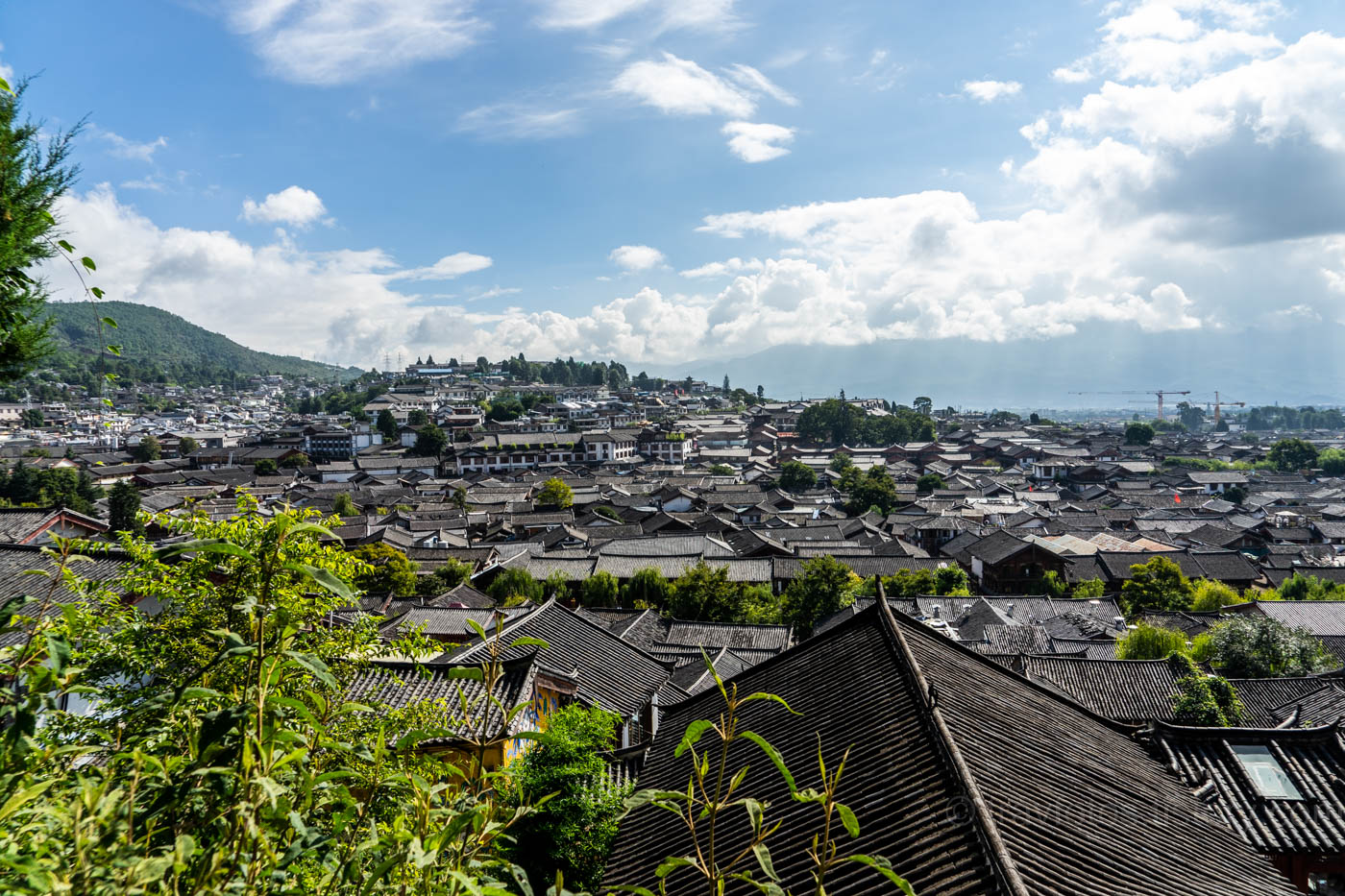
Lijiang (also known as Lijang or 丽江) is a high-altitude city sitting at approximately 2,400 meters above sea level, blessed with a subtropical highland climate that keeps temperatures relatively mild year-round. However, the high elevation means significant temperature swings between day and night, so bringing a jacket is always a good idea regardless of the season. Summer (roughly June through August) is the rainy season, with frequent rainfall and overcast skies, while the dry season brings crisp, mostly sunny weather. Annual temperatures generally range from -1°C to 26°C — never scorching hot nor bitterly cold, making Lijiang a comfortably pleasant destination throughout the year.
Lijiang Weather by Season
Spring (March – May)
Spring in Lijiang is warm and dry, with temperatures ranging from 10°C to 20°C, though the temperature gap between day and night can be quite noticeable. Flowers begin to bloom from March and April, making it a wonderful time to enjoy the outdoors under clear, sunny skies. April and May in particular see minimal rainfall and bright blue skies, making this one of the most pleasant times to visit all year. With relatively fewer tourists, you can also explore the Old Town (古城) at a relaxed, unhurried pace — a definite bonus.
Summer (June – August)
Summer marks Lijiang’s rainy season, with frequent showers throughout June to August. Temperatures remain moderate at 15°C to 25°C, but rising humidity and unpredictable rain cause noticeable fluctuations in how warm or cool it feels. July and August are the height of the rainy season, with sudden downpours and heavy rain occurring regularly. That said, the rain breathes new life into the landscape, turning it lush and vibrant — a surprisingly attractive time for photography enthusiasts.
Autumn (September – November)
Autumn brings cool, dry weather to Lijiang, with temperatures between 10°C and 20°C and characteristically clear, brilliant blue skies. October is peak foliage season, when the mountains and valleys are draped in stunning autumn colors. Tourist crowds are relatively light, allowing for a more relaxed travel experience, and September through October is widely regarded as one of the best times to visit — on par with spring. As November sets in, the weather becomes progressively drier and cooler, and the Old Town glows with a particularly magical atmosphere at sunset.
Winter (December – February)
Winter in Lijiang is relatively cold, with temperatures between 0°C and 10°C, though it stays dry with little snowfall in the city. Daytime sunshine can push temperatures up to 10–15°C, feeling quite pleasant, but nights can dip below freezing — making the day-to-night temperature gap extreme. The low tourist season makes it ideal for those seeking a quiet, crowd-free experience. Around the Lunar New Year (January–February), you can also enjoy special local festivals and traditional cultural events.
Best Time to Visit Lijiang
The best time to visit Lijiang is during spring (April–May) and autumn (September–October), when dry and sunny conditions make for the most satisfying travel experience. During these periods, temperatures hover between 10°C and 25°C with manageable temperature variations — perfect conditions for outdoor sightseeing and trekking. In April and May, the alleys of Lijiang’s Old Town are lined with blooming flowers, creating a vibrant, photogenic atmosphere that’s especially popular with photographers. By October, autumn foliage and crystal-clear skies provide a breathtaking backdrop for Jade Dragon Snow Mountain and the ancient town.
When to Avoid
The rainy season from June to August brings frequent downpours and heavy rain that can disrupt outdoor plans, so extra care is needed. Additionally, China’s National Day Golden Week (October 1–7) and Labor Day Holiday (May 1–5) draw enormous crowds of domestic tourists, causing accommodation prices to spike up to three times the normal rate — with popular guesthouses booked out months in advance.
Best Time for Budget Travel
The off-season from November to March offers a quieter travel experience despite the cold, dry weather, and upscale accommodations can often be booked at 30–50% less than peak-season rates — ideal for budget-conscious travelers. Keep in mind that while daytime temperatures can reach 10–15°C in winter, nights can fall below freezing, so layering your clothing is essential no matter which season you visit.
Lijiang Monthly Weather & What to Wear
January
January is the coldest month in Lijiang, with average high temperatures around 15°C and lows near 0°C. Rainfall is minimal at just 7mm, and sunny days are the norm. Daytime sunshine keeps things relatively warm, but temperatures can drop below freezing after dark — the daily temperature range is significant.
Recommended outfit: Heavy down jacket + thermal base layers + scarf and gloves; layering with a lightweight inner puffer is especially effective.
February
February continues with winter weather, with average temperatures ranging from 1°C to 15°C. It’s still firmly in the dry season, with many clear and dry days — but UV rays are strong, so sunscreen is a must. The Lunar New Year holiday season means you can soak up local festival vibes and traditional celebrations.
Recommended outfit: Mid-weight down jacket + layered clothing; a light jacket for warmer afternoons is a handy addition.
March
March signals the start of spring, with temperatures climbing to 5–18°C and flowers beginning to bloom. Mornings and evenings are still cool, but the afternoons become warm and comfortable. Rainfall is low and clear days are frequent, making it a great time for outdoor sightseeing.
Recommended outfit: Light jacket or lightweight puffer + long-sleeved tops; a layered approach works best to handle changing temperatures throughout the day.
April
April sees temperatures rise to 10–22°C with low rainfall, making it one of the best months to visit Lijiang. Flowers are in full bloom across the Old Town, creating a colorful and lively atmosphere — and travel satisfaction scores are at their annual peak. UV radiation is intense, so sunscreen and sunglasses are non-negotiable essentials.
Recommended outfit: Light trench coat or cardigan + long-sleeved top; pack a thin jacket for cooler evenings.
May
May offers comfortable temperatures of 13–25°C and ranks as one of the best months to visit Lijiang. The early rainy season can bring occasional showers, so carrying a compact umbrella or rain poncho is wise. The Labor Day holiday (May 1–5) brings a surge of visitors, making popular sites and accommodations very crowded.
Recommended outfit: T-shirt + thin long-sleeved layer + foldable umbrella; don’t forget sun protection.
June
June marks the beginning of the full rainy season, with average temperatures of 12–25°C. Humidity rises, overcast skies become more common, and afternoon showers are frequent. The wide swings between cool, rainy spells and warm, sunny breaks make this a month of unpredictable conditions.
Recommended outfit: Light waterproof jacket or rain poncho + t-shirt; non-slip, comfortable footwear is essential.
July
July is the peak of the rainy season, with a precipitation probability of approximately 67% — sudden downpours and heavy rain are common. Average temperatures of 13–24°C are quite comfortable, but high humidity makes the air feel warmer than the thermometer suggests. Outdoor activities such as trekking on Jade Dragon Snow Mountain require extra caution due to wet and slippery conditions.
Recommended outfit: Waterproof jacket + quick-dry clothing + waterproof shoes; pack extra changes of clothes.
August
August remains firmly in the rainy season, with average temperatures of 13–23°C keeping things relatively cool. The daily chance of rain sits around 61%, meaning precipitation is possible on almost any given day. On the breaks between showers, the scenery comes alive with vivid, lush greenery — a treat for nature lovers.
Recommended outfit: T-shirt + thin long-sleeved layer + rain poncho; non-slip trekking shoes make getting around much easier.
September
September marks the tail end of the rainy season, with temperatures of 11–22°C and skies gradually clearing to become crisp and blue. As rainfall decreases and autumn begins to settle in, this month marks the start of Lijiang’s popular autumn travel season. Afternoons are pleasant, but mornings and evenings turn cool — the daily temperature gap calls for some preparation.
Recommended outfit: Thin jacket or cardigan + long-sleeved top; a lightweight scarf or extra layering pieces are a convenient addition.
October
October is one of Lijiang’s most beautiful months, when autumn foliage and clear skies create a stunning combination. Average temperatures of 11–23°C are comfortable, and rainfall drops to around 50mm. Note that the National Day Golden Week (October 1–7) brings a massive influx of Chinese tourists, causing accommodation prices to skyrocket — visiting after the holiday is strongly recommended.
Recommended outfit: Light jacket + long-sleeved top; a t-shirt works fine during the day, but bring an outer layer for evenings.
November
November officially enters the dry season, with rainfall dropping sharply to around 20mm and sunny days becoming more consistent. Temperatures of 5–19°C feel pleasantly cool, and with fewer tourists around, you can enjoy Lijiang at a slow, relaxed pace. Afternoons are still mild, but evenings get noticeably chilly — dress warmly for after-dark outings.
Recommended outfit: Mid-weight jacket or lightweight puffer + long-sleeved top; a layered style that’s easy to adjust is ideal.
December
December is the driest month of the year, with a rain probability of just 5% and average temperatures of 1–16°C. Clear, crisp days are the norm, making it a great time to admire the snow-capped scenery of Jade Dragon Snow Mountain. Nights can fall below freezing, so keeping warm is a top priority.
Recommended outfit: Heavy down jacket + thermal base layers + warm hat and gloves; sunscreen is still essential even in winter, as UV rays remain strong on clear days.
Lijiang Monthly Weather Data
| Month | Avg High | Avg Low | Rainfall | Humidity | Sunrise | Sunset |
| January | 15°C | 0°C | 7mm | ~55% | 07:45 | 18:30 |
| February | 18°C | 2°C | 10mm | ~50% | 07:30 | 18:45 |
| March | 21°C | 5°C | 20mm | ~55% | 07:00 | 19:00 |
| April | 25°C | 8°C | 30mm | ~55% | 06:40 | 19:15 |
| May | 27°C | 11°C | 50mm | ~65% | 06:20 | 19:30 |
| June | 28°C | 15°C | 120mm | ~80% | 06:10 | 19:40 |
| July | 27°C | 16°C | 220mm | ~85% | 06:20 | 19:45 |
| August | 26°C | 16°C | 190mm | ~85% | 06:30 | 19:30 |
| September | 25°C | 14°C | 120mm | ~80% | 06:40 | 19:00 |
| October | 23°C | 11°C | 50mm | ~70% | 07:00 | 18:30 |
| November | 19°C | 5°C | 20mm | ~60% | 07:20 | 18:10 |
| December | 16°C | 1°C | 10mm | ~55% | 07:40 | 18:10 |
Lijiang Weather FAQ
Q1. When is the best time to visit Lijiang?
Spring (April–May) and autumn (September–October) are the most pleasant seasons to visit. Rainfall is minimal, skies are clear, and conditions are ideal for outdoor sightseeing and trekking — the natural scenery is also at its most beautiful during these months.
Q2. What is Lijiang’s climate like?
Lijiang sits at roughly 2,400 meters above sea level, giving it a mild annual average temperature of 13–20°C. While summer heat waves are absent and winter daytime temperatures of 10–15°C feel relatively warm, the 10–15°C daily temperature swings are a defining characteristic of the city’s climate.
Q3. When is the rainy season, and which month gets the most rain?
The rainy season can begin as early as May and last through October, with July and August being the wettest months. July sees around a 67% chance of precipitation, with frequent sudden downpours — however, Lijiang’s summer rainfall of 200–300mm is still relatively moderate compared to many other destinations.
Q4. Is it possible to see snow in Lijiang?
Light snowfall occasionally occurs in the city between December and February, though it is not frequent. Jade Dragon Snow Mountain (5,596m), however, is blanketed in snow year-round and offers spectacular snowy scenery no matter when you visit.
Q5. Should I be worried about altitude sickness?
At roughly 2,400 meters above sea level, some visitors may experience mild headaches or dizziness upon arrival. When visiting Jade Dragon Snow Mountain in particular, it’s best to avoid strenuous activity and alcohol, and to eat plenty of fruits and vegetables to help prevent altitude sickness symptoms.
Q6. How intense is the UV radiation in Lijiang?
As a highland destination, Lijiang experiences strong UV radiation year-round — on clear days, you can feel the sun on your skin almost immediately. A hat, sunglasses, and sunscreen are essential accessories regardless of the season; even in the middle of winter, the midday sun can be surprisingly intense, so don’t let your guard down.
Q7. Is it worth visiting in winter (December–February)?
Absolutely. Daytime sunshine can warm things up to 10–15°C, making afternoons feel almost like autumn. That said, temperatures can drop below freezing at night, so a layering approach with a lightweight puffer and fleece is most effective — and always check whether your accommodation has proper heating (radiator or electric blanket) before booking.
Q8. Is the rainy season only good for indoor activities?
Not at all. Most rainy-season showers are short-lived squalls that pass within 20 minutes to 3 hours, leaving plenty of windows for outdoor exploration. As long as you pack a waterproof jacket or rain poncho, waterproof shoes, and make a habit of checking the daily forecast before heading out, you can have a fully rewarding trip even during the wet season.
Q9. Any tips for visiting during Chinese public holidays?
During the Labor Day Golden Week (May 1–5) and National Day Golden Week (October 1–7), domestic tourist numbers surge dramatically, pushing accommodation prices up to three times the normal rate — and popular guesthouses often sell out months in advance. If possible, aim to arrive just after the holiday rush — mid-October or mid-May onward — for a more comfortable and budget-friendly experience.