
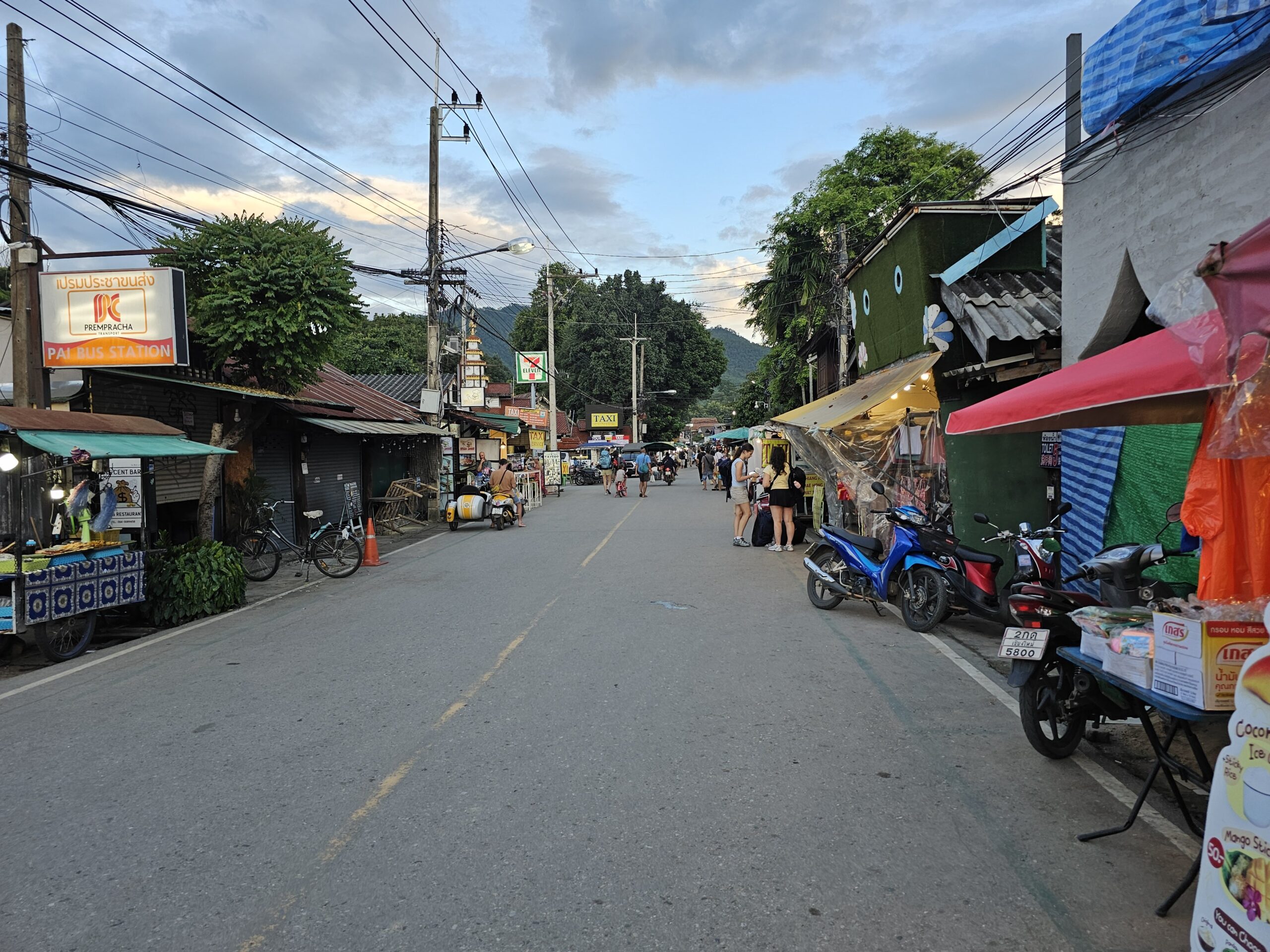
If you’re planning your first trip to Pai, you’ve probably asked yourself: “When is actually the best time to visit weather-wise?” Since Pai sits in a mountain valley reached by winding roads with 762 curves from Chiang Mai, weather plays a huge role in how enjoyable your trip turns out to be. I made this mistake myself the first time I visited Pai. I assumed “it’s Southeast Asia, so it’ll just be hot” and packed only light clothes, only to be caught off guard by early morning temperatures dropping close to 10 degrees Celsius during the cool season.
Pai Has Three Distinct Seasons
Pai’s weather breaks down into three main seasons, and understanding this structure makes planning your trip much easier.
Cool Season (November to February) is Pai’s peak tourist season. Rain is rare and skies stay clear, offering the best views of the mountains, rice fields, and river landscapes. Daytime temperatures sit comfortably between 19 to 25 degrees Celsius, but nights and early mornings can drop to 5 to 13 degrees Celsius, which surprises many first-time visitors. This is also the best time to catch Pai’s famous “sea of fog” views over the mountains.
Hot Season (March to May) brings rising temperatures, with April and May sometimes exceeding 35 degrees Celsius. One thing many first-timers overlook is that March falls during Pai’s “burning season.” Local farmers clear fields for the next planting cycle, which creates heavy smoke and haze in the air, often obscuring the mountain views that make Pai special. If you’re planning a March trip, check the air quality index beforehand.
Rainy Season (June to October) sees the heaviest rainfall, with July and August experiencing rain on up to 30 days per month. That said, this season transforms Pai’s rice paddies into lush green landscapes, and fewer tourists mean lower accommodation prices. However, since the region relies heavily on mountain roads, renting a motorbike or planning treks requires extra caution during this period.
Monthly Temperature and Rainfall Overview
Common Mistakes First-Time Visitors Make
The most common mistake is underestimating the temperature swing between day and night. During the cool season, you might wear a t-shirt in the afternoon but need a light jacket or padded layer by evening as temperatures drop sharply. Another frequent oversight is planning a March trip without checking the haze situation, which can significantly affect your experience since mountain views are a major draw in Pai.
Renting a motorbike to navigate mountain roads during rainy season also deserves careful thought. Roads can become slippery after rain, and sudden downpours can reduce visibility quickly. If this applies to your trip, consider booking accommodation near indoor activities or cafes as a backup plan for rainy afternoons.
Seasonal Packing Checklist
-
Cool season (Nov–Feb): Light jacket or cardigan, long pants, warm layers for morning and evening
-
Hot season (Mar–May): Breathable light clothing, sunscreen, face mask (for March haze)
-
Rainy season (Jun–Oct): Umbrella or raincoat, waterproof shoes, spare clothes, waterproof pouch
Weather Tips for Choosing Accommodation and Tours
If you’re traveling during the cool season, check whether your accommodation has heating or reliable hot water, since mornings and nights can feel quite cold. During the hot season, air conditioning becomes a major factor in comfort. For rainy season trips, look for accommodations with spacious indoor common areas or tour operators with flexible rain cancellation policies.
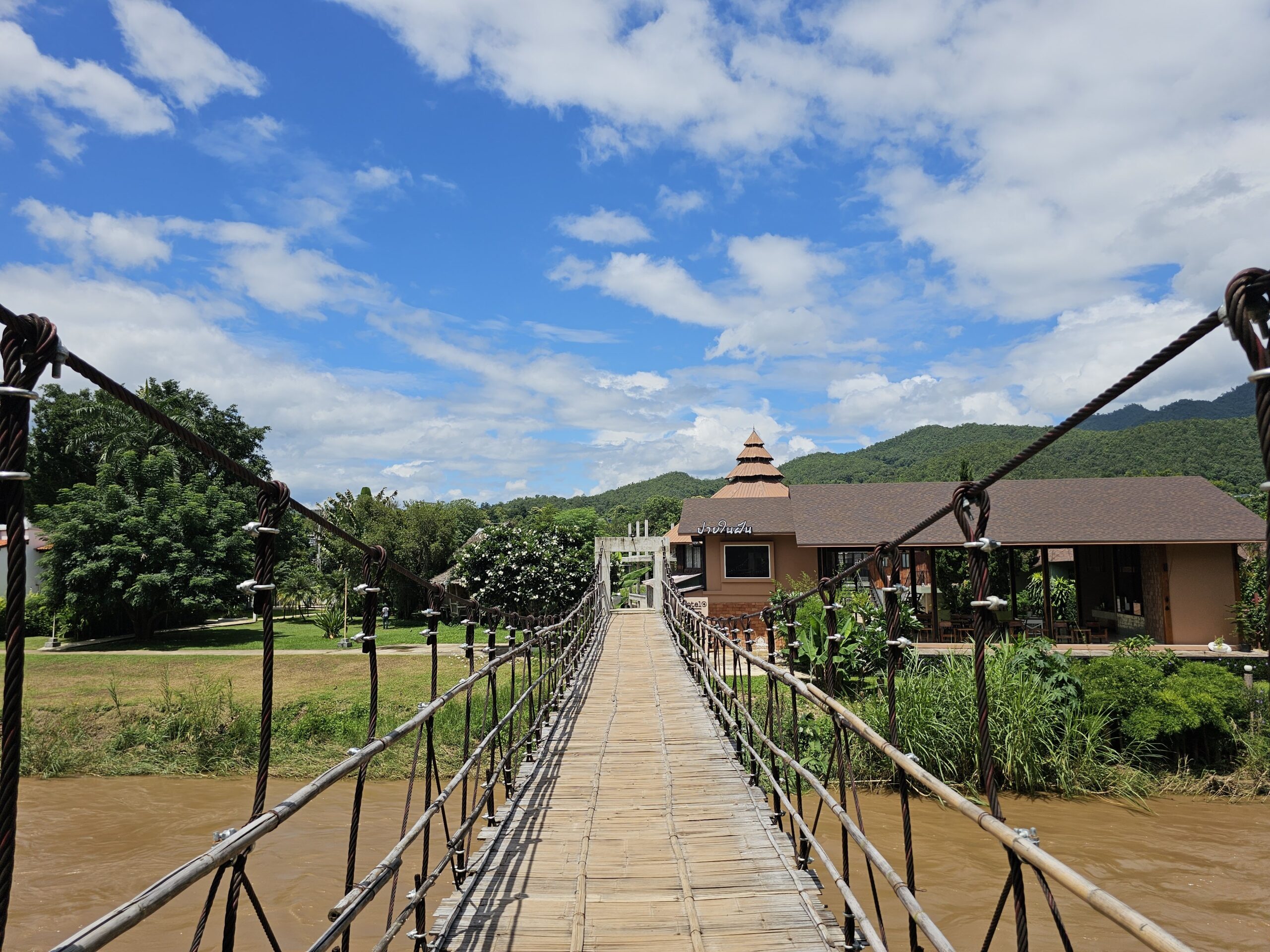
Important Weather Warnings to Know Before You Go
Pai’s mountain valley location means its weather feels quite different from Bangkok or Chiang Mai, even though they’re all in Thailand. Keep these points in mind to avoid surprises on the ground.
-
Large temperature swings: Cool season days reach 19–25°C, but early mornings can drop to 5–13°C, so pack both short sleeves and warm layers.
-
March haze from burning season: Agricultural burning creates smoke and haze that can obscure mountain views and irritate breathing. Check the air quality index before a March trip.
-
Rainy season road safety: July and August can see rain on up to 30 days per month. The Chiang Mai–Pai route has 762 curves, and wet roads increase the risk of slippery surfaces and landslides, so use extra caution with motorbike rentals or night travel.
-
Sudden afternoon downpours: Rainy season showers tend to be short but intense, usually in the afternoon. Schedule outdoor activities for the morning when possible.
-
Peak season booking crowds: November through February is high season, so prices rise and availability drops quickly. Book accommodations and tours at least one to two months in advance.
-
Heat and dehydration risk: April and May can exceed 35°C, so stay hydrated and use sun protection during outdoor activities.
Frequently Asked Questions About Pai Weather
Q1. What is the best month to visit Pai?
November through February is ideal. Rainfall is minimal and skies stay clear, offering the best views of mountains, rice fields, and fog-covered valleys.
Q2. Does it really get cold at night in Pai?
Yes, early mornings during cool season can drop to 5–13°C. Don’t assume Southeast Asia means only heat—pack a light jacket or cardigan for evenings.
Q3. Is it okay to visit Pai in March?
It’s possible, but expect haze and reduced air quality due to burning season. If mountain views are a priority, consider visiting during a different month.
Q4. Will rainy season ruin my Pai trip?
Not necessarily. Rainy season brings lush green rice paddies and fewer crowds, which means lower accommodation prices. Just plan for road safety and build flexibility into your itinerary.
Q5. Where can I check real-time weather for Pai?
Weather apps and websites covering the Mae Hong Son region provide real-time conditions and 10-day forecasts for Pai. Check regularly starting one to two weeks before your trip.
Q6. Should I bring an umbrella or a raincoat?
Given the mountainous terrain and frequent motorbike travel in Pai, a raincoat and waterproof shoes are more practical than an umbrella. A waterproof pouch is also useful during rainy season.
Q7. Is Pai humid?
Rainy season brings higher humidity and a muggier feel, while cool season is relatively dry. If you’re sensitive to humidity, pack breathable fabrics.
Final Thoughts: The Safest Time for First-Timers
To sum up, November through February is the safest choice for anyone visiting Pai for the first time. Rainfall is minimal, scenery is at its best, and the only real adjustment needed is packing layers for chilly mornings and evenings. If you’re considering March, watch for haze; for April and May, prepare for heat; and for rainy season, prioritize road safety and flexible planning.
Hopefully this guide clears up any uncertainty about Pai’s weather and helps you choose the timing that fits your travel style. If you’d like personalized advice on planning your Pai itinerary or accommodation, feel free to leave a comment or reach out—happy to help based on firsthand research.