
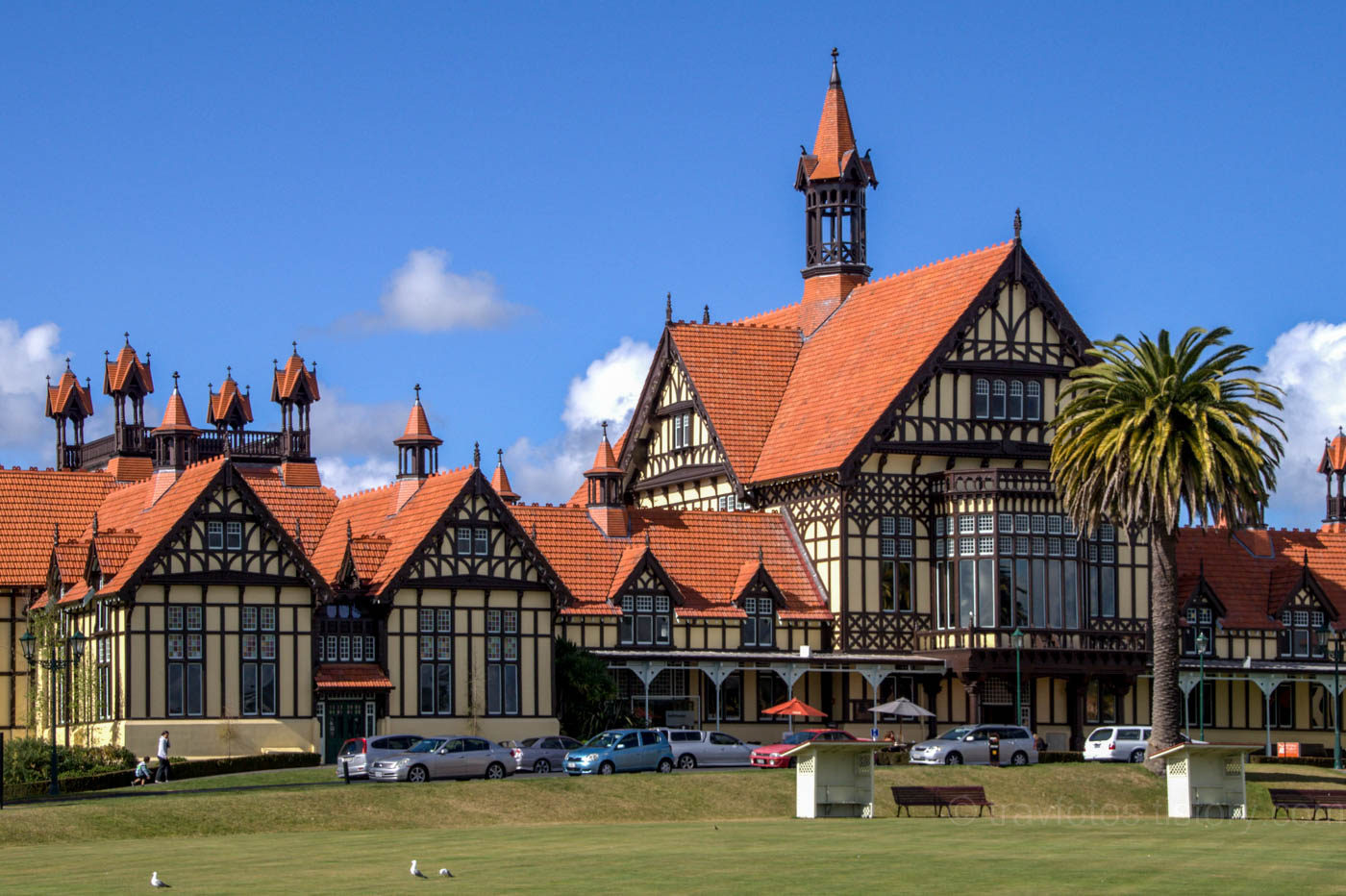
Rotorua features a temperate maritime climate with warm summers (December-February) averaging 21-23°C and cool winters (June-August) below 12°C, though snow is rare. Rainfall is evenly distributed throughout the year, with the heaviest precipitation occurring June-August. Despite cooler winters, volcanic hot springs ensure that tourism activities remain comfortable and accessible year-round. The best times to visit are September-November (spring) and October-May, when mild temperatures and clear skies make outdoor activities and geothermal park exploration most enjoyable.
Rotorua’s Seasonal Weather Overview
Summer (December-February)
Rotorua’s summer features warm, pleasant weather with average temperatures of 23°C, perfect for daytime outdoor activities. Sunshine hours extend to 7 hours daily, and UV index peaks at 10-11, making sunscreen application essential. Monthly rainfall is only 125-130mm—the year’s lowest—minimizing rainy days, though evening temperatures drop to 12°C, requiring light layered clothing. Note: Christmas through Chinese New Year marks peak season, with hotel prices rising 40-50% and difficult availability—this period should be avoided if budget-conscious.
Autumn (March-May)
Rotorua’s autumn features gradual temperature decline from 21°C to 15°C, creating pleasant weather with beautiful fall foliage. Rainfall increases to 135-176mm, with particularly frequent rain in April and May, making umbrellas and waterproof jackets essential. Sunshine hours decrease to 5-6 hours, and humidity rises to 80-84%, resulting in cool mornings and evenings. UV index drops to 5-8, reducing sun protection urgency, but layered clothing and waterproof gear remain necessary.
Winter (June-August)
Rotorua’s winter features cool temperatures below 12°C with virtually no snow, creating a mild winter experience. Monthly rainfall peaks at 150-198mm (August reaches 198mm as the wettest month), requiring waterproof raincoats and umbrellas. Morning and evening temperatures plunge below 5°C with frequent ground frost, while volcanic geothermal activity creates mysterious mist, producing stunning natural scenery. Advantage: Winter is the off-season with hotel prices 45-50% cheaper and fewer tourists, ideal for those seeking quieter travel.
Spring (September-November)
Rotorua’s spring features temperature rise from 14°C to 19°C as flowers begin blooming, creating an energetic season. Rainfall is irregular at 113-173mm, with frequent rain in September-October, though conditions are more stable than May. Sunshine hours increase to 5-6 hours, and UV index rises to 5-7, making outdoor activities increasingly comfortable. Recommendation: September-November represents the optimal visiting period, balancing mild temperatures, moderate rainfall, and beautiful natural scenery, with hotel prices 30-40% cheaper than peak season.
Best Times to Visit Rotorua
Premium Weather Period: Rotorua’s finest weather occurs September-November (spring) and January-March (summer), when temperatures range 14-23°C and sunshine hours are long, ideal for outdoor activities. Particularly, September-October offers the best value, combining spring foliage, stable climate, and accommodation 30-40% cheaper than peak season.
Budget Travel Period: June-August (winter) represents the lowest-price season, with accommodation 45-50% cheaper than peak season. The mysterious volcanic mist and thermal features create a unique experience, making this ideal for budget-conscious travelers seeking authentic natural wonder.
Periods to Avoid: Mid-December to mid-January and May should be avoided—Christmas holidays and student winter breaks drive accommodation prices sky-high and create overwhelming crowds, drastically reducing travel comfort and value.
Monthly Weather & Recommended Clothing
January – Summer
January is Rotorua’s warmest month with pleasant average temperatures of 23°C, ideal for outdoor activities with 7 sunshine hours daily. Rainfall is minimal at 125mm (among the year’s lowest), and humidity sits at 78% (comfortable), though UV index is high (5), requiring sun protection. Evening temperatures drop to 12°C, necessitating light layered clothing.
Recommended Attire: T-shirts, cotton shorts, dresses + light cardigan/thin fleece + sunglasses + sunscreen.
February – Summer
February rivals January as Rotorua’s warmest and driest month with average temperatures of 23°C, offering the year’s finest weather and lowest rainfall (130mm). Humidity reaches its lowest at 78%, with minimal wind (8.9 km/h), creating exceptionally pleasant conditions. Morning and evening temperatures drop to 12°C; UV index remains high, requiring layered preparation.
Recommended Attire: Summer clothes (shorts, sleeveless tops, dresses) + light cardigan/jacket + sunscreen + sunglasses.
March – Early Autumn
March begins warm at 21°C but marks early autumn’s arrival with rainfall increasing to 176mm. Sunshine hours decrease to 6, humidity rises to 80%, and rain becomes frequent, requiring umbrellas and waterproof jackets. Evening temperatures average 12°C but mornings drop to 9°C, demanding layered clothing.
Recommended Attire: Cotton shirts + long pants/jeans + light fleece/cardigan + waterproof jacket + hiking shoes + umbrella.
April – Autumn
April temperatures drop to 18°C with somewhat unpredictable rainfall (135mm) characterizing typical autumn. Sunshine hours remain at 6, but humidity rises to 82% and rainy days increase to 11, making waterproof gear essential. Evening temperatures fall to 9°C requiring warm layering, with possible morning/evening wind.
Recommended Attire: Long-sleeve shirts/sweaters + jeans/trekking pants + fleece jacket + waterproof jacket + hiking shoes + umbrella.
May – Late Autumn
May sees temperatures drop to 15°C with irregular rainfall (152mm) amid active autumn conditions. Sunshine hours shorten to 5, humidity rises to 84%, and rainy days increase to 12, making umbrellas essential. Evening temperatures fall to 6°C requiring warm middle-layers; plan activities around early sunset.
Recommended Attire: Fleece + sweater + waterproof jacket + jeans/trekking pants + hiking shoes + hat.
June – Winter Begins
June marks winter’s arrival with temperatures dropping to 12°C and rainfall sharply increasing to 187mm. Humidity rises to 86% (damp and wet), rainy days increase to 14, requiring waterproof coats and umbrellas. Sunshine hours shrink to 4, with evening temperatures plunging to 4°C, demanding warm layered clothing.
Recommended Attire: Waterproof insulated coat + sweater + waterproof jacket + hat + gloves + thick socks + boots.
July – Mid-Winter
July ranks among the year’s coldest months at 12°C with significant rainfall (172mm) amid deep winter. Rainy days reach 14, sunshine hours just 4 (very dark and damp), with evening temperatures dropping to 3°C causing ground frost. Winter’s extreme cold requires cold-weather essentials (gloves, scarves, boots).
Recommended Attire: Warm sweater/fleece + waterproof insulated coat + hat + gloves + scarf + thick socks + waterproof boots.
August – Late Winter (Coldest Period)
August temperatures slightly rise to 13°C, but rainfall peaks at 198mm as the year’s wettest month (highest precipitation). Rainy days reach 15 (most frequent) with humidity peaking at 87%, making waterproof gear critical. Evening temperatures drop to 4°C with short sunshine hours (4), requiring dark evening preparation; mysterious volcanic mist rises dramatically.
Recommended Attire: Layered thermal underwear + sweater/fleece + waterproof insulated coat + umbrella + hat + gloves + thick socks + boots.
September – Spring Begins
September marks spring’s irregular arrival with temperatures rising to 14°C and rainfall at 173mm. Sunshine hours increase to 5, humidity decreases to 83%, and spring winds begin blowing (11.7 km/h). Evening temperatures reach 6°C requiring continued layering; rainy days total 15, making umbrellas and waterproof jackets essential.
Recommended Attire: Sweater/fleece + waterproof jacket + long pants/jeans + hiking shoes + umbrella + hat.
October – Spring
October sees temperatures rise to 17°C with irregular rainfall (151mm) while displaying spring characteristics. Sunshine hours increase to 6, UV index rises to 5-7, and new life blooms everywhere. Evening temperatures reach 7°C with 14 rainy days, still requiring layered clothing and umbrellas.
Recommended Attire: Long-sleeve shirts/sweaters + light fleece/cardigan + waterproof jacket + long pants + hiking shoes + umbrella + sunscreen.
November – Late Spring
November brings comfortable late spring with temperatures rising to 19°C and rainfall decreasing to 145mm. Sunshine hours remain at 6, humidity decreases to 81%, and UV index increases to 6-8, necessitating sun protection. Evening temperatures reach 9°C; unpredictable weather demands diverse packing.
Recommended Attire: Mixed short/long-sleeve tops + light cardigan + waterproof jacket + mixed shorts/long pants + sunglasses + sunscreen + umbrella.
December – Summer Begins
December marks summer’s arrival with temperatures rising to 21°C and rainfall at 166mm; December 16-31 experiences peak-season pricing. Sunshine hours extend to 7 with strong UV index (5), requiring sunscreen. Evening temperatures reach 11°C; despite midday warmth, summer and light insulating clothing are needed.
Recommended Attire: T-shirts/dresses + light cardigan + sunscreen + sunglasses + umbrella.
Monthly Climate Data Table
| Metric | Jan | Feb | Mar | Apr | May | Jun | Jul | Aug | Sep | Oct | Nov | Dec |
| Avg. High Temp (°C) | 23 | 23 | 21 | 18 | 15 | 12 | 12 | 13 | 14 | 17 | 19 | 21 |
| Avg. Low Temp (°C) | 12 | 12 | 12 | 9 | 6 | 4 | 3 | 4 | 6 | 7 | 9 | 11 |
| Avg. Rainfall (mm) | 125 | 130 | 176 | 135 | 152 | 187 | 172 | 198 | 173 | 151 | 145 | 166 |
| Rainy Days | 10 | 9 | 11 | 11 | 12 | 14 | 14 | 15 | 15 | 14 | 12 | 13 |
| Relative Humidity (%) | 78 | 80 | 80 | 84 | 85 | 87 | 86 | 86 | 83 | 80 | 78 | 79 |
| Sunshine Hours | 7 | 7 | 6 | 6 | 5 | 4 | 4 | 4 | 5 | 6 | 6 | 7 |
| Daylight Hours | 14 | 14 | 12 | 11 | 10 | 10 | 10 | 11 | 12 | 13 | 14 | 15 |
| UV Index | 11 | 10 | 8 | 5 | 3 | 2 | 2 | 3 | 5 | 7 | 9 | 11 |
| Avg. Wind Speed (km/h) | 10 | 9 | 9 | 9 | 10 | 10 | 10 | 10 | 11 | 11 | 10 | 9 |
Packing Tips by Season
Universal Essentials (All Seasons)
- Waterproof rain jacket (critical for all months)
- Comfortable hiking shoes/sneakers (geothermal park exploration)
- Swimsuit (hot spring visits)
- Sunscreen & sunglasses
- Umbrella or waterproof rain poncho
Layering Strategy (Essential Year-Round)
New Zealand’s weather is highly unpredictable—layering is non-negotiable:
- Base Layer: Thermal underwear or merino wool (self-drying, superior warmth)
- Mid Layer: Fleece jacket, sweater, or hoodie (insulation)
- Outer Layer: Waterproof rain jacket or coat (wind/rain protection)
Season-Specific Recommendations
Summer (December-February): Light summer clothes + lightweight cardigan + UV protection
Autumn (March-May): Long-sleeve shirts + sweater + waterproof jacket + rain gear
Winter (June-August): Thermal layers + warm coat + insulated jacket + hat + gloves + scarf + boots
Spring (September-November): Sweater + light fleece + waterproof jacket + layering mix
Travel Planning Quick Reference
Best for Premium Weather
- September-October (optimal balance of weather, prices, scenery)
- January-February (warmest, most sunshine hours)
Best for Budget Travel
- June-August (lowest prices, off-season)
- April-May, September-October (shoulder seasons with 30-40% savings)
Photo/Scenic Opportunities
- January-February (long daylight, clear skies)
- June-August (mystical volcanic mist)
Outdoor Activity Optimal Period
- October-November (comfortable temperatures, 12+ daylight hours)
This comprehensive guide helps travelers select the perfect visiting window based on weather preferences, budget constraints, and activity goals. Whether seeking warmth, natural scenery, budget value, or unique cultural experiences, Rotorua offers appealing conditions year-round.