
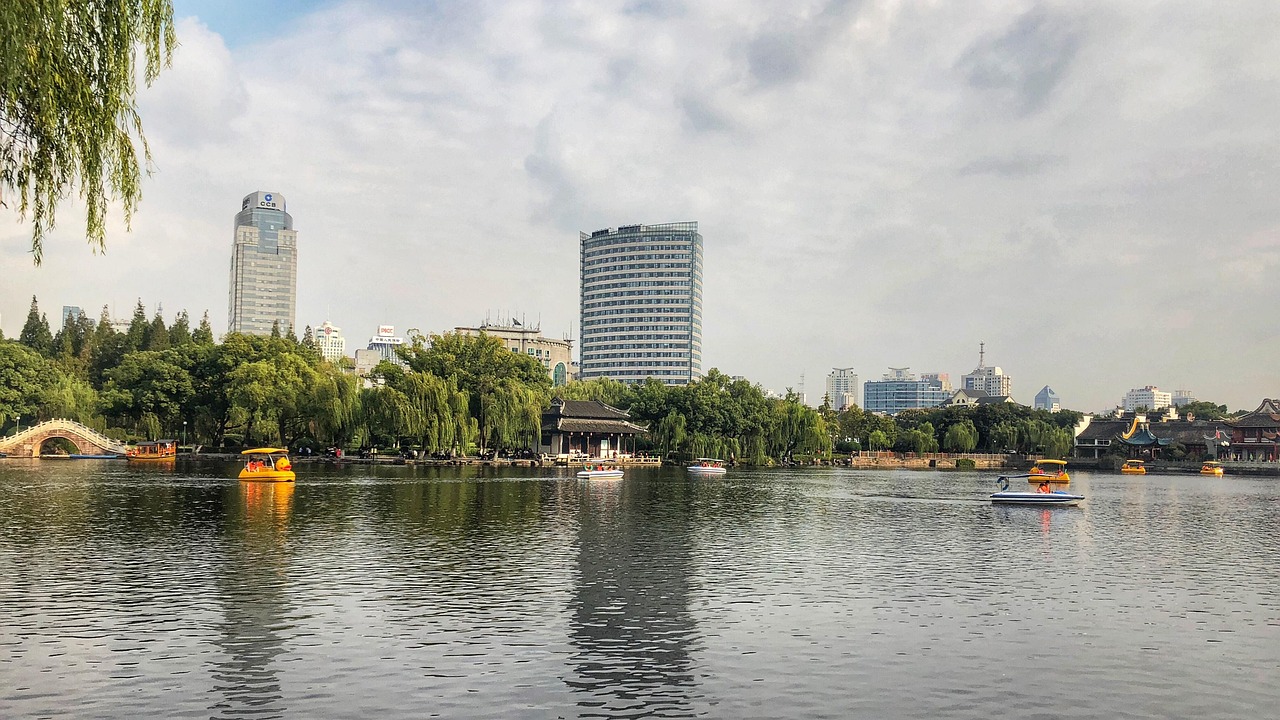
Ningbo (寧波) is a port city located on the coast of Zhejiang Province, China, characterized by a warm, humid subtropical monsoon climate. Spring (March–May) is mild and relatively dry, with average temperatures of 11–19°C, making it one of the best times to visit. Summer (June–August) brings hot and humid weather averaging 23–30°C, with the heaviest rainfall in June and potential typhoon impacts. Autumn (September–November) offers clear skies and comfortable temperatures of 15–27°C with low rainfall, ideal for outdoor activities. Winter (December–February) is cold and dry, averaging 7–8°C with the lowest annual rainfall. The annual average temperature is approximately 17.7°C, annual precipitation is around 1,300mm concentrated in summer, and humidity remains between 60–80% throughout the year.
Seasonal Weather in Ningbo
Spring (March–May)
Spring temperatures in Ningbo rise gradually, ranging from a low of 7°C to a high of 25°C. March remains quite cool, making a light outer layer essential, but by April, average highs reach 20°C and true spring weather sets in. April brings an average 40% chance of rain, while May offers the last dry stretch before the rainy season begins — making it the most ideal month for sightseeing and hiking. Pack light jackets, long-sleeved shirts, and an umbrella.
Summer (June–August)
Summer is the hottest and most humid season in Ningbo, with temperatures soaring from a low of 22°C to a high of 32°C. June has the highest annual precipitation probability, averaging 62% per day, marking the start of the monsoon season. July and August become relatively drier as the monsoon retreats, but temperatures peak — reaching up to 33°C around July 28 — bringing intense heat. Due to the southeastern coastal location, typhoon impacts are possible during this period, so it is essential to monitor weather forecasts in advance. Light, breathable clothing, sunscreen, and an umbrella are must-haves.
Autumn (September–November)
Autumn is widely regarded as the best season to visit Ningbo, with stable temperatures ranging from 13°C to 27°C. September still carries residual summer warmth near 27°C, but by October the skies clear and rainfall drops sharply. November brings cooler temperatures of 13–18°C, offering comfortable conditions for outdoor walks, sightseeing, and culinary exploration. A light jacket during the day and a thin sweater for mornings and evenings are sufficient.
Winter (December–February)
Winter is the coldest and driest season in Ningbo, with temperatures ranging from 2°C to 12°C. Around January 20, the coldest point of the year, temperatures can drop to 2–8°C with occasional snowfall. December has the lowest precipitation probability of the year — averaging just 21% per day — with many clear days, though the wind chill makes a heavy coat necessary. February begins to warm slightly but remains cold with occasional rain or sleet, so thermal layers and waterproof gear are recommended.
Best Time to Visit Ningbo
The best times to visit Ningbo are spring (April–May) and autumn (September–November). During these periods, temperatures of 11–27°C and low rainfall create comfortable conditions for outdoor sightseeing, hiking, and cultural exploration. In particular, May offers the last clear, dry days before the rainy season, while October and November deliver crisp autumn skies and stunning foliage, drawing many travelers to the city.
Summer (June–August) sees temperatures peak at 32°C, and June’s 62% daily rainfall probability means the monsoon and typhoons can disrupt plans. That said, July and August bring reduced rainfall and are suitable for beach and coastal activities if travelers can tolerate the heat. The peak tourist season runs from August through November, during which accommodation prices tend to rise — advance booking is strongly recommended.
Winter (December–February) is the off-season with the fewest visitors and temperatures of 2–12°C, making it an attractive option for budget-conscious travelers seeking a quieter experience. For those planning to visit indoor attractions such as the Tianyi Pavilion or Buddhist temples, winter is well worth considering.
Monthly Weather & Recommended Clothing
January
January is the coldest month of the year, with temperatures ranging from 2°C to 9°C. Cold, dry northwesterly winds make the perceived temperature feel even lower, with rare snowfall possible.
Recommended clothing: Heavy padded coat, wool sweater, scarf, gloves, and thick socks — full cold-weather gear is essential.
February
February is the transition from winter to early spring, with temperatures rising slightly from 4°C to 10°C compared to January. It remains cold with occasional rain or sleet.
Recommended clothing: A thick coat with warm inner layers, plus a waterproof outer shell.
March
March marks the beginning of spring, with temperatures rising from 7°C to 15°C and flowers beginning to bloom. Large daily temperature swings and frequent spring rain require attention to comfort.
Recommended clothing: A light jacket or windbreaker with layering is recommended; always carry a compact umbrella.
April
April brings full spring weather, with temperatures from 12°C to 20°C making outdoor activities comfortable. Rainfall increases gradually, but sunny days are still plentiful, making it a great time to travel.
Recommended clothing: A light jacket or trench coat with long-sleeved shirts is ideal; carry an umbrella.
May
May is warm late spring, with temperatures ranging from 17°C to 25°C — the last dry period before the rainy season. While temperatures vary throughout the day, it is widely considered the best month for outdoor sightseeing and hiking.
Recommended clothing: Long-sleeved T-shirts or thin shirts layered with a light cardigan; bring a compact folding umbrella in case of spring showers.
June
June marks the start of the rainy season, with temperatures reaching 22–28°C and the highest annual precipitation probability averaging 62% per day. Humidity rises sharply, bringing hot and muggy conditions with the onset of possible typhoon activity.
Recommended clothing: Breathable short sleeves with a thin long-sleeved layer, waterproof jacket, waterproof shoes, and a sturdy full-sized umbrella are essential.
July
July is one of the hottest months, with temperatures climbing from 25°C to 32°C. The monsoon retreats and rainfall decreases, but intense heat and high humidity continue, with the possibility of typhoons.
Recommended clothing: Light, breathable short sleeves and shorts; bring a hat, sunscreen, and an umbrella for sudden showers.
August
August is equally as hot as July, with temperatures holding at 25–32°C. The daily rain probability drops to around 39%, lower than July, but heavy rain and typhoons accompanied by strong winds are still possible.
Recommended clothing: Light summer clothing is the standard; bring a thin long-sleeved layer to counter strong indoor air conditioning.
September
September marks the transition into autumn, with temperatures easing from 21°C to 27°C as the summer heat gradually fades. Rainfall decreases and skies begin to clear, creating increasingly comfortable conditions for outdoor activities.
Recommended clothing: Thin jacket layered over long-sleeved shirts; keep an umbrella on hand just in case.
October
October is the golden season for visiting Ningbo, with temperatures ranging from 17°C to 23°C under clear, bright skies. Rainfall drops significantly, sunny days are plentiful, and autumn foliage reaches its peak.
Recommended clothing: A long-sleeved shirt with a light jacket or cardigan is sufficient; an umbrella is optional.
November
November transitions from autumn to early winter, with cool and dry temperatures ranging from 13°C to 18°C. Rain is rare, and conditions remain ideal for outdoor walks and temple visits.
Recommended clothing: A thick knit sweater or sweatshirt with a light outer layer is enough; an umbrella is rarely needed.
December
December marks the start of full winter, with temperatures cooling to 8–12°C. It is the driest month of the year (daily rain probability just 21%), with many clear days, though wind chill makes the air feel colder.
Recommended clothing: A heavy coat, scarf, and warm layering are necessary, along with waterproof winter footwear.