
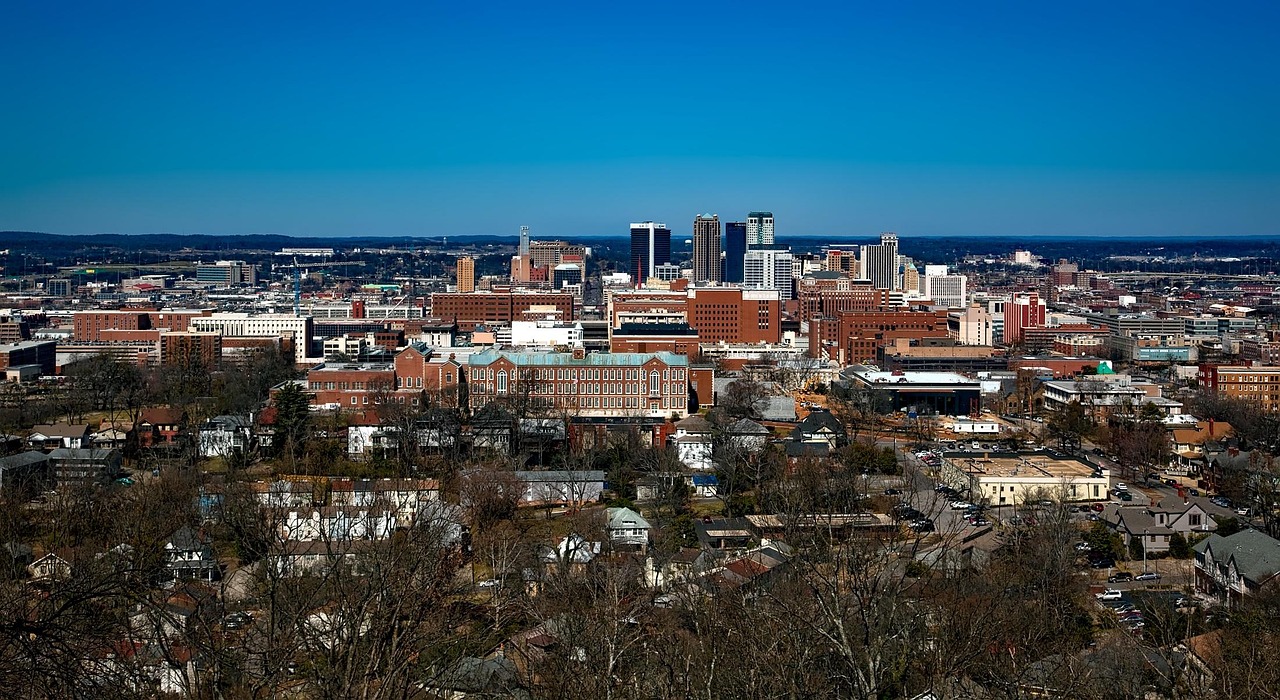
Birmingham has a classic oceanic climate — summers are mild, winters are cold but rarely harsh, and overcast skies with occasional rain are a year-round feature. Temperature swings are generally modest, meaning it never gets intensely hot in summer, while winters stay cool and damp rather than bitterly cold.
Seasonal Weather in Birmingham
Spring (March – May)
Spring in Birmingham tends to be cool and unpredictable. Daytime temperatures climb gradually through March and April, but mornings and evenings stay chilly with frequent showers. April is one of the drier months of the year, yet sunny spells and cloudy patches alternate quickly, and brisk winds can make it feel colder than the thermometer suggests.
Summer (June – August)
Summers are mild by most standards — extreme heat is rare, and July is typically the warmest month, with daytime highs averaging around 20°C. Rather than “warm and dry,” expect pleasant temperatures punctuated by the occasional passing shower. On the plus side, daylight hours are at their longest, making outdoor sightseeing very convenient.
Autumn (September – November)
From September onward, temperatures drop noticeably and rain and wind become more frequent. By October and November, mornings and evenings feel significantly cooler, and overcast days dominate, giving the city a quiet, muted atmosphere.
Winter (December – February)
Winters are cold but not extreme. January is the coldest month, with daytime temperatures often staying in single digits. Snow is less common than rain or sleet, but the damp wind makes it feel colder than the actual temperature — a warm, waterproof coat is essential.
Best Time to Visit Birmingham
May through September is generally the best time to visit Birmingham. The weather is mild, days are long, and it’s easy to enjoy parks, canal walks, museums, and shopping streets. Early May to June is particularly pleasant — lush and green without being too warm — while September and October see fewer tourists, making for a more relaxed trip.
That said, Birmingham can see rain at any time of year, so a compact umbrella or waterproof jacket is always worth packing. Winter is less ideal for outdoor-focused trips, but if you’re drawn to festive Christmas markets, the city centre comes alive with seasonal charm.
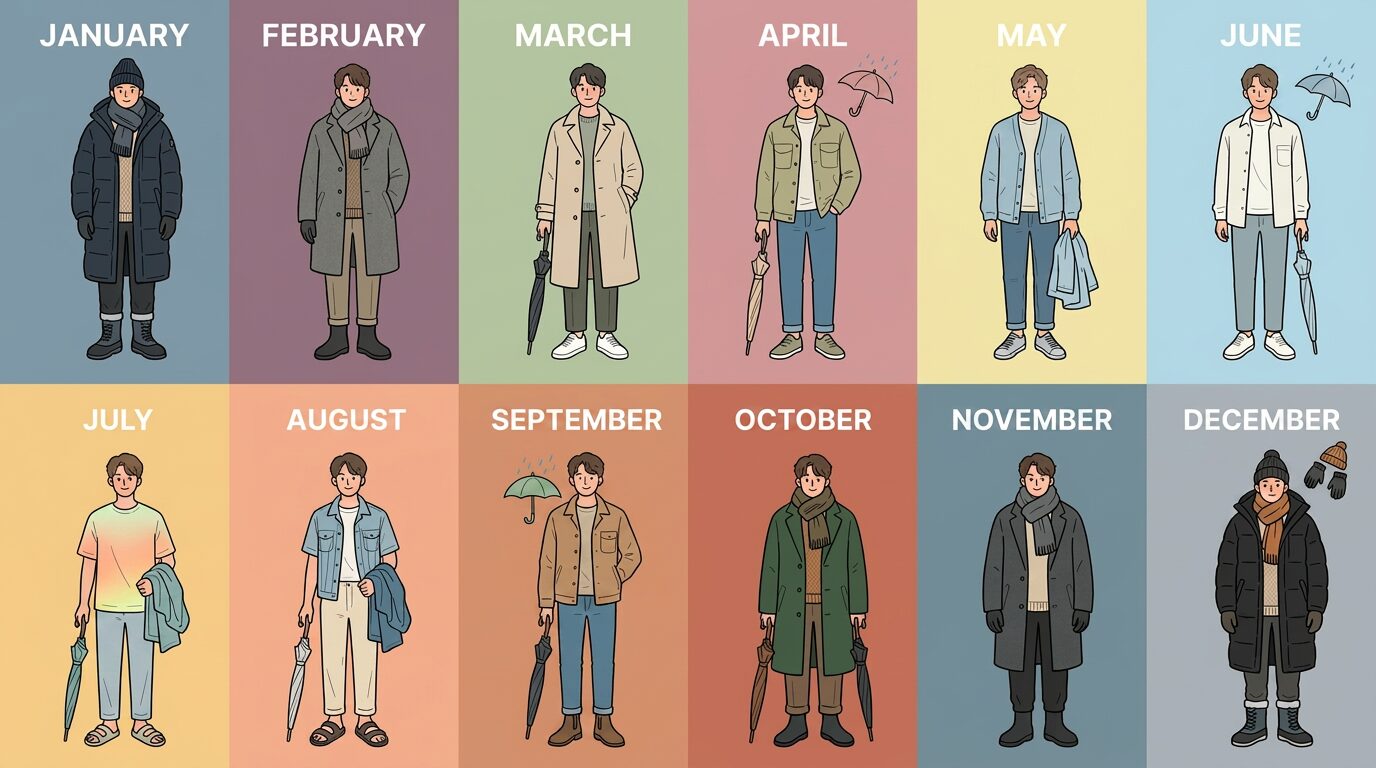
Monthly Weather & What to Wear
January
January is the coldest month of the year, with daytime highs around 6°C and overnight lows dropping to 0–1°C. Rain and sleet are frequent, and overcast skies are the norm.
What to wear: Heavy padded coat or wool overcoat, thermal base layer, knit sweater, waterproof boots, scarf, gloves, and a warm hat.
February
February is similarly cold, with highs hovering around 7°C and persistent rain. There are faint early hints of spring, but it still feels very much like winter.
What to wear: Same as January — a thick waterproof outer layer and warm layering underneath are key.
March
Daytime temperatures reach around 10°C, but mornings and evenings can dip to 2°C. There’s roughly a 28% chance of rain on any given day, and wind makes the feel-like temperature lower than the forecast.
What to wear: Light padded jacket or trench coat, thin knit, full-length trousers, waterproof sneakers or loafers, and a foldable umbrella.
April
One of the drier months of the year, with highs of 12–13°C and more frequent sunny spells. Temperatures can still vary quite a bit throughout the day, and breezes mean an outer layer remains useful.
What to wear: Light jacket or cardigan, long-sleeve shirt, jeans, comfortable sneakers, and a compact umbrella.
May
Daytime temperatures climb to around 15°C, greenery is at its peak, and longer daylight hours make this one of the best months for outdoor activities.
What to wear: Thin jacket or cardigan, light long-sleeve top, jeans, comfortable trainers. A lightweight waterproof jacket is handy for the odd shower.
June
Warm weather sets in from mid-June, with average highs of 14–16°C. Sunny days become more frequent, though brief showers can still appear.
What to wear: Light long-sleeve or short-sleeve top, a thin outer layer, comfortable sneakers, and a small umbrella.
July
The warmest month of the year, with highs averaging 21°C and the longest days. Occasional showers pass through, but generally the best weather for exploring.
What to wear: T-shirt, light cotton clothing, sandals or trainers, and a thin waterproof jacket for unexpected downpours.
August
August is similar to July but daytime highs begin to ease slightly to around 15–16°C. Still very pleasant for outdoor activities, with some rainy days mixed in.
What to wear: Light short-sleeve or long-sleeve top, a thin jacket, trainers, and an umbrella.
September
Temperatures drop noticeably, with highs falling to 13–14°C. Crowds thin out, making it a great time to explore the city at a leisurely pace. Autumn colours begin to appear.
What to wear: Light jacket or thin coat, long-sleeve top, jeans, trainers or ankle boots, and an umbrella.
October
Daytime highs fall to around 10°C, rain and wind increase, and early mornings can dip below 5°C.
What to wear: Thick jacket or wool coat, knit sweater, heavier trousers, waterproof boots, scarf, and a sturdy umbrella.
November
November feels firmly like winter, with highs around 8°C and mostly overcast days. Rain and strong winds are common.
What to wear: Heavy coat or padded jacket, thermal base layer, knit, waterproof boots, scarf, and gloves.
December
Temperatures drop back to January levels, with highs around 6–7°C. The city centre buzzes with Christmas markets, but the weather is cold and damp.
What to wear: Heavy padded coat or wool overcoat, thermal base layer, knit, waterproof winter boots, scarf, gloves, and a warm hat.
Birmingham Monthly Climate at a Glance
| Month | Avg High | Avg Low | Rainfall | Rainy Days | Sunshine | Notes |
| January | 6°C | 1°C | 65mm | 13 days | 1.7h | Overcast; frequent rain & sleet |
| February | 7°C | 1°C | 49mm | 11 days | 2.6h | Drier; still cold |
| March | 10°C | 3°C | 53mm | 12 days | 3.9h | Warming up; strong winds |
| April | 13°C | 5°C | 48mm | 11 days | 5.4h | One of the driest months |
| May | 16°C | 7°C | 55mm | 12 days | 6.5h | Lush and pleasant |
| June | 19°C | 10°C | 57mm | 12 days | 6.8h | Longest sunshine hours |
| July | 21°C | 12°C | 56mm | 11 days | 6.3h | Warmest month |
| August | 21°C | 12°C | 62mm | 12 days | 5.9h | Warm with occasional showers |
| September | 17°C | 9°C | 61mm | 12 days | 4.6h | Temperatures falling fast |
| October | 13°C | 6°C | 72mm | 14 days | 3.0h | More rain & wind; autumn colours |
| November | 8°C | 3°C | 71mm | 14 days | 1.9h | Overcast and damp |
| December | 6°C | 1°C | 67mm | 14 days | 1.5h | Shortest daylight of the year |