
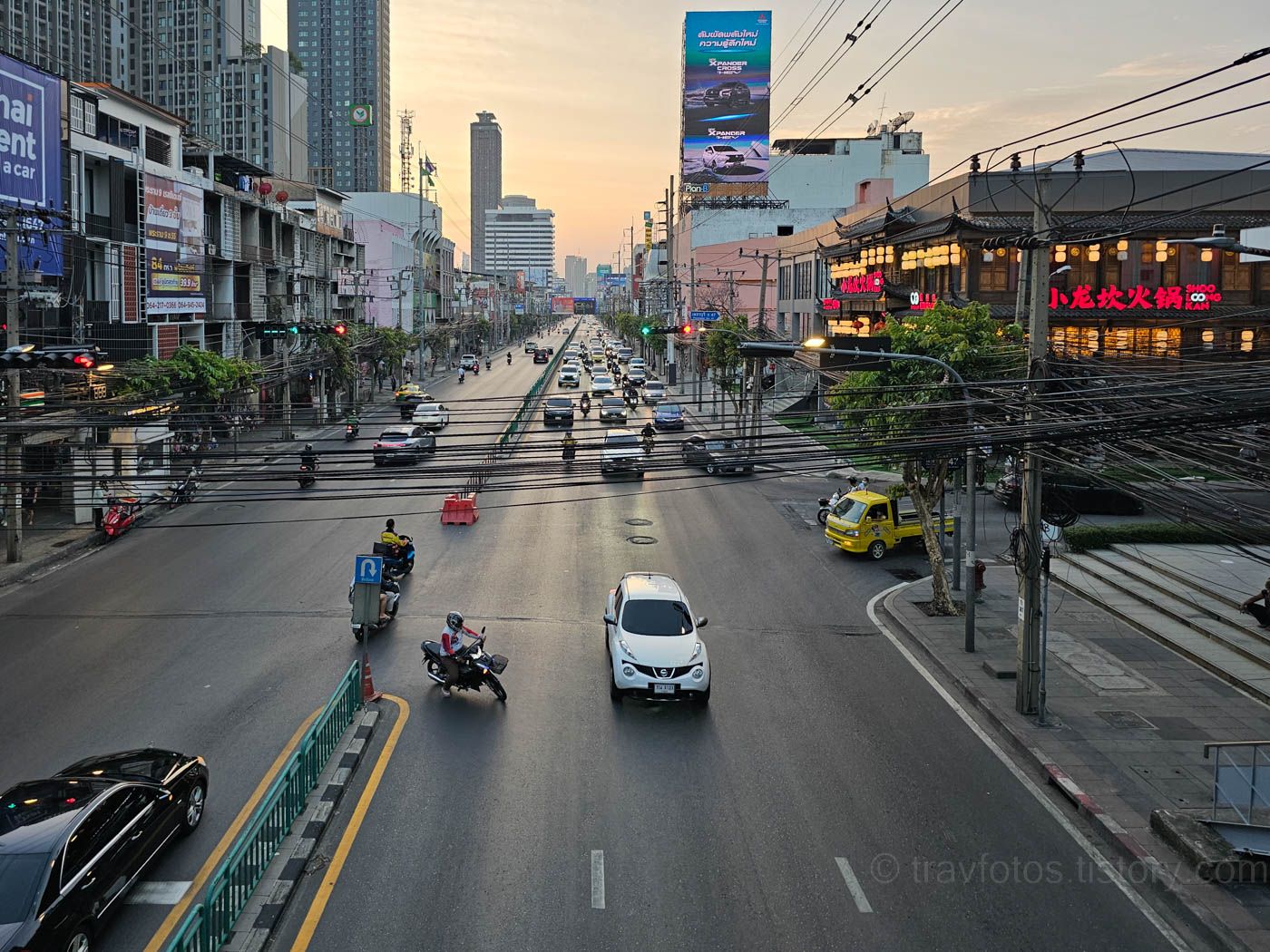
Bangkok is one of Southeast Asia’s most vibrant travel destinations, but understanding its tropical climate is essential for planning a comfortable and enjoyable visit. This comprehensive guide breaks down Bangkok’s weather patterns by month, helping you pack appropriately and plan your itinerary strategically.
Bangkok’s Climate Overview
Bangkok experiences a tropical savanna climate with consistently warm temperatures year-round (typically 25–35°C). Unlike temperate regions, Bangkok doesn’t have distinct seasonal changes in temperature. Instead, the main distinction lies between the dry season (cool and comfortable) and the rainy season (hot, humid, and wet). Humidity levels remain elevated throughout the year, averaging 70% and climbing to nearly 80% during the monsoon months.
Seasonal Weather Breakdown
Cool Dry Season: November – February
Best time to visit Bangkok overall
This is undoubtedly the most pleasant season to explore Bangkok. Humidity drops noticeably, mornings and evenings feel refreshingly cool, and daytime temperatures hover around a manageable 30°C. The skies are typically clear, rainfall is minimal, and outdoor activities become genuinely enjoyable.
However, this is also peak travel season, so expect higher prices for flights and accommodations. Book well in advance if traveling during this period.
What to pack:
- Light cotton or linen clothing (t-shirts, shorts, light dresses)
- A thin cardigan or lightweight long-sleeve shirt for air-conditioned indoor spaces
- A sun hat and sunglasses for midday sun exposure
- Comfortable walking shoes and sandals
Hot Dry Season: March – May
Hottest months of the year
March through May brings intense heat, with temperatures regularly exceeding 35°C (95°F). The heat index can feel even higher—sometimes approaching 40°C (104°F)—making prolonged outdoor activities exhausting. The air feels heavy and stagnant, and afternoon walks require significant effort.
The silver lining? This is low season, meaning hotel rates and flight prices drop significantly. If you’re heat-tolerant and flexible with your activities, you can save considerable money.
What to pack:
- Ultra-light, breathable clothing in light colors (white, pastel tones reflect heat better)
- Moisture-wicking, quick-dry fabrics
- A lightweight rain jacket (afternoon showers occur sporadically in April–May)
- Compact umbrella
- Waterproof sandals or slip-on shoes
- High-SPF sunscreen and UV-protective sunglasses
Rainy Season (Monsoon): June – October
Hot, humid, and wet
The monsoon brings daily downpours, though they typically arrive as short, intense afternoon bursts rather than all-day rains. Mornings are often clear and sunny. Temperatures remain high (typically 30–32°C) but feel even warmer due to humidity levels exceeding 75%.
September and October see the heaviest rainfall, with occasional flooding in low-lying areas and traffic congestion. Despite the rain, this season offers exceptional value: flights and hotels are considerably cheaper, and popular attractions are less crowded.
What to pack:
- Quick-drying, moisture-wicking tops and bottoms
- Lightweight rain jacket or compact umbrella
- Waterproof bag or phone pouch
- Water-resistant sandals or slip-on shoes
- Extra shirt or quick-dry undergarments to change into if caught in heavy rain
Month-by-Month Weather & Clothing Guide
January
The coolest and driest month
Climate: Average high 32°C, low 21°C | Rainfall: 9mm | Humidity: 66%
January is when Bangkok feels most pleasant. While still warm, the relative dryness and lower humidity make activities like temple visits and evening riverside walks genuinely enjoyable. Clear skies are the norm.
Recommended attire: Summer clothes (t-shirts, shorts, light dresses) are sufficient. Add a lightweight cardigan or thin shirt for overly air-conditioned spaces. Sun protection (hat, sunglasses) is advisable for midday activities.
February
Building heat and increasing sunshine
Climate: Average high 33°C, low 23°C | Rainfall: 30mm | Humidity: 68%
February transitions toward warmer conditions. Daytime temperatures climb steadily above 30°C, and the sun becomes increasingly intense. Humidity starts creeping upward as well.
Recommended attire: Breathable linen and cotton fabrics are essential. Pack lightweight t-shirts, shorts, and flowing skirts. Include a wide-brimmed hat, sunglasses, and a thin scarf or lightweight shawl to shield yourself from strong UV rays. Light-colored clothing works better than dark colors.
March
Heat intensifies noticeably
Climate: Average high 34°C, low 25°C | Rainfall: 29mm | Humidity: 70%
March marks the beginning of Bangkok’s intense heat phase. Afternoon temperatures regularly reach the mid-30s Celsius, and outdoor exertion becomes uncomfortable. The humidity rises perceptibly, making the air feel thicker.
Recommended attire: Prioritize light colors and breathable fabrics. Moisture-wicking t-shirts and loose-fitting shorts or lightweight pants work well. Comfortable, ventilated shoes or sandals are important—your feet will thank you. Keep a thin shirt handy for air-conditioned spaces.
April
Peak heat and Songkran Festival
Climate: Average high 35°C, low 26°C | Rainfall: 65mm | Humidity: 71%
April is one of Bangkok’s absolute hottest months, with the Thai New Year festival (Songkran) occurring mid-month. During this water celebration, expect to get soaked repeatedly—which, ironically, provides temporary relief from the oppressive heat.
Recommended attire: Fast-drying, lightweight functional fabrics are crucial. Quick-dry t-shirts, shorts, and leggings are ideal. Wear waterproof sandals or slip-ons for easy drainage and quick drying. If visiting during Songkran, plan on clothes getting wet repeatedly throughout the day.
May
Transition into the rainy season
Climate: Average high 34°C, low 26°C | Rainfall: 220mm | Humidity: 73%
May remains sweltering, but afternoon showers become increasingly frequent as the monsoon approaches. The combination of heat and rising humidity creates a sticky, oppressive atmosphere. By late May, rain becomes a daily expectation.
Recommended attire: Breathable short-sleeved shirts and lightweight pants remain essential. Add a compact umbrella or lightweight rain jacket to your daily carry. Non-slip sandals are safer than smooth-soled shoes on wet surfaces.
June
Monsoon season begins
Climate: Average high 33°C, low 25°C | Rainfall: 149mm | Humidity: 74%
June marks the official onset of the rainy season. Mornings often start clear, but afternoon thunderstorms roll in with regularity. These tropical downpours are intense but usually brief. The constant moisture makes the air feel heavy and oppressive despite slightly lower temperatures.
Recommended attire: Quick-dry functional fabrics are essential for monsoon travel. Pack thin t-shirts, shorts, and lightweight dresses. A rain jacket and waterproof bag for electronics are necessary. Water-resistant sandals or shoes provide practical footwear.
July
Peak rainy season, hot and humid
Climate: Average high 33°C, low 25°C | Rainfall: 155mm | Humidity: 75%
July continues the monsoon pattern: heavy downpours typically arrive in afternoon or evening, clearing quickly. The humidity feels almost suffocating, and outdoor activities require careful planning to avoid getting caught in sudden storms.
Recommended attire: Loose-fitting, lightweight clothing that doesn’t cling to the body is ideal. Light-colored, breathable t-shirts paired with loose trousers or long skirts work well. Essential items include a compact umbrella, wide-brimmed hat, and water-resistant footwear.
August
Highest humidity levels
Climate: Average high 33°C, low 25°C | Rainfall: 197mm | Humidity: 76%
August combines peak heat with the monsoon’s heaviest humidity. Outdoor walking feels laborious, and clothes quickly become damp with sweat and moisture. However, indoor spaces (shopping malls, restaurants, BTS trains) maintain powerful air conditioning, creating a stark temperature contrast.
Recommended attire: Breathable sleeveless tops or short-sleeved shirts paired with lightweight pants or skirts are practical. Keep a thin cardigan or long-sleeved shirt in your bag for the shock of heavily air-conditioned indoor spaces. The temperature differential between outside and inside is most pronounced during this month.
September
Heaviest rainfall month
Climate: Average high 32°C, low 25°C | Rainfall: 344mm | Humidity: 79%
September receives the highest rainfall of the year, and humidity peaks near 80%. While still warm, daytime activities are frequently interrupted by extended downpours. Road flooding can occur in low-lying areas, and traffic congestion worsens during and after heavy rains.
Recommended attire: Stick with lightweight, breathable t-shirts and shorts. Quick-dry materials are essential since clothing gets wet regularly. Pack an umbrella, waterproof sandals, and a change of clothes. A waterproof phone case is highly recommended.
October
Rainy season winds down
Climate: Average high 32°C, low 24°C | Rainfall: 242mm | Humidity: 78%
October marks the transition out of peak monsoon. Rainfall frequency and intensity begin decreasing, though humidity remains elevated. Clear patches of sky become more frequent, though warm afternoon showers continue regularly.
Recommended attire: Light summer clothing (t-shirts, shorts, lightweight dresses) remains the foundation of your wardrobe. Include a lightweight outer layer for air-conditioned spaces. The weather becomes incrementally more pleasant as the month progresses.
November
Dry season arrives
Climate: Average high 32°C, low 23°C | Rainfall: 48mm | Humidity: 69%
November brings marked improvement in weather conditions. The dry season begins, humidity drops noticeably, and clear days become the norm. This is one of Bangkok’s most comfortable months for travel, with pleasant mornings and evenings.
Recommended attire: Continue with light summer clothing, though you might notice it feels slightly less oppressive than earlier months. A thin long-sleeved shirt provides additional sun protection for extended outdoor activities. Mornings and evenings may feel pleasantly cool.
December
Coolest and most pleasant month
Climate: Average high 31°C, low 21°C | Rainfall: 10mm | Humidity: 64%
December offers Bangkok at its most comfortable. Daytime warmth is balanced by relatively cool mornings and evenings, making extended outdoor activities genuinely pleasant. Clear skies predominate, and humidity is at its annual low.
Recommended attire: Light summer clothing is still the baseline, but a lightweight long-sleeved shirt provides sun protection and creates a pleasant layer for breezy evenings. For evening boat tours or rooftop bar visits, a light sweater or jacket adds comfort without bulk.
Bangkok’s Best Time to Visit: Quick Reference
| Season | Months | Best for | Drawbacks | Estimated Costs |
| Cool Dry | Nov–Feb | Optimal weather, outdoor activities | Peak prices, crowded attractions | High |
| Hot Dry | Mar–May | Budget travel, indoor activities | Intense heat (35–40°C), exhausting | Low |
| Rainy | Jun–Oct | Budget travel, fewer tourists, lush greenery | Frequent rain, high humidity, occasional flooding | Low |
Frequently Asked Questions About Bangkok’s Weather
Q: Is Bangkok hot year-round?
Yes. Bangkok’s tropical climate means temperatures consistently range from 26–32°C throughout the year. However, November through February feels noticeably less oppressive due to lower humidity and slightly cooler temperatures.
Q: When is the best time to visit Bangkok?
The cool dry season (November–February) offers the most comfortable weather, clear skies, and outdoor-friendly conditions. If budget is your priority, March–May and June–October provide excellent value despite heat or rain challenges.
Q: How humid is Bangkok?
Average humidity hovers around 70% year-round, climbing to 75–80% during the monsoon months (June–October). This high humidity intensifies the feeling of heat even when temperatures don’t seem extreme on paper.
Q: Is the rainy season really that bad?
Not necessarily. While monsoon rain is frequent (especially September–October), it typically arrives as short, intense afternoon thunderstorms rather than all-day downpours. Mornings often remain clear and sunny. The trade-off is exceptional value: hotels cost significantly less, and attractions are far less crowded.
Q: What’s the hottest month?
April is traditionally the hottest, with average highs reaching 35°C and heat index potentially exceeding 40°C. Indoor activities (shopping malls, spas, museums) become particularly appealing during this month.
Q: Will I experience typhoons in Bangkok?
Bangkok rarely faces direct typhoon hits. It may experience indirect impacts (rain and wind) from distant tropical storms, but major disruptions are infrequent.
Q: What about air quality?
From January through March, particularly February, air quality sometimes deteriorates due to atmospheric stagnation and regional agricultural burning. Travelers with respiratory sensitivity should consider a mask during these months.
Q: How much should I budget for accommodation and flights?
- High season (Nov–Feb): Expect 30–50% premium pricing
- Shoulder seasons (Mar–May, Oct–Nov): Moderate pricing, still good weather in some months
- Low season (Jun–Sep): 40–60% cheaper than peak season; best rates occur September–October
Q: What’s the dress code in Bangkok?
While casual summer clothing is standard for tourists, remember that temples require covered shoulders and knees. Lightweight, respectful clothing that covers these areas (lightweight long-sleeved shirts, long skirts/pants) works well for temple visits while remaining practical for the heat.
Q: Do I need travel insurance?
While major weather emergencies are rare, travel insurance covering trip cancellation (for extreme weather) and medical care is prudent, especially if visiting during peak rain months or if you have health concerns related to heat exposure.
Final Packing Essentials for Any Season
- Sun protection: High-SPF sunscreen, wide-brimmed hat, UV-blocking sunglasses
- Lightweight clothing: Cotton and linen in light colors
- Footwear: Comfortable walking shoes, waterproof sandals
- Rain gear: Compact umbrella, lightweight rain jacket (especially Jun–Oct)
- Moisture management: Quick-dry clothing, extra socks for wet feet
- Thermoregulation: Lightweight cardigan or long-sleeved shirt for air conditioning
- Electronics protection: Waterproof phone case or bag
- Personal comfort: Electrolyte replacement drinks, basic first-aid supplies
Conclusion
Bangkok’s tropical climate doesn’t change dramatically throughout the year, making it a viable year-round destination. Your choice of when to visit should depend on your heat tolerance, budget constraints, and activity preferences. The cool dry season (November–February) offers unmatched comfort but comes with higher prices. The hot dry season (March–May) suits budget-conscious travelers willing to adapt their itinerary. The rainy season (June–October) rewards adventurous travelers with exceptional value and fewer crowds.
Regardless of when you visit, proper packing and realistic activity planning—combined with an appreciation for Bangkok’s tropical beauty—will ensure a memorable experience.