
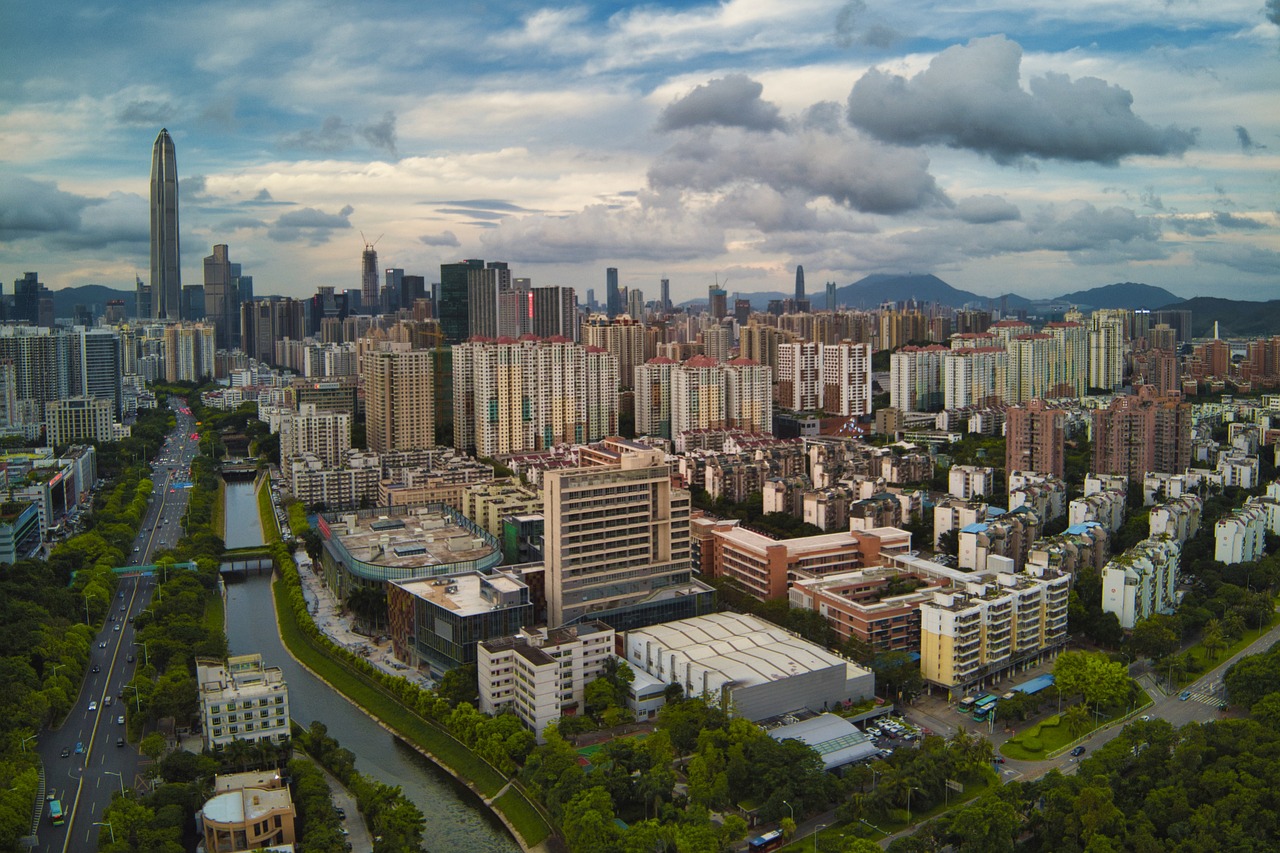
Shenzhen (深圳), located in the south of Guangdong Province, China, has transformed from a small fishing village into a world-class metropolis in just a few decades. Known as “China’s Silicon Valley,” this city is recognized as a hub of advanced technology and innovation. However, Shenzhen’s appeal extends far beyond its economic and technological significance—it is a city of remarkable diversity and charm.
Futuristic skyscrapers and cutting-edge electronics markets coexist with traditional Chinese culture and peaceful natural landscapes, offering travelers unique experiences. As a UNESCO Creative City, Shenzhen boasts vibrant art and design culture, diverse theme parks, and beautiful coastal scenery. These multifaceted attractions make Shenzhen an exceptionally special destination.
Seasonal Weather and Best Time to Visit Shenzhen
Shenzhen, located in southern Guangdong Province, features a subtropical maritime climate with mild and humid weather year-round.
Spring (March – May)
Spring is a transition period between the dry and rainy seasons in Shenzhen. Average temperatures range from 18-27°C with clear skies, though occasional rain can occur. From April onward, humidity gradually increases, bringing hot and humid weather.
Recommended Clothing: Light t-shirts, thin long-sleeved shirts, lightweight pants or skirts. An umbrella or waterproof jacket is essential for sudden showers.
Summer (June – August)
Summer is hot and humid, with the rainy season at its peak. Average temperatures reach 25-33°C with occasional heatwaves. Typhoons are frequent during this period, so monitoring weather forecasts is important.
Recommended Clothing: Breathable short sleeves and shorts, hats and sunglasses for sun protection. Sunscreen is essential, and waterproof shoes and rain gear are useful.
Autumn (September – November)
Autumn is Shenzhen’s most pleasant season. As the rainy season ends and temperatures gradually decrease, the weather becomes cooler and drier. Average temperatures range from 22-30°C—ideal for travel.
Recommended Clothing: Thin long-sleeved shirts, lightweight jackets, cotton pants or denim. A thin outer layer is recommended for cooler evenings.
Winter (December – February)
Winter maintains mild temperatures ranging from 13-20°C. With low rainfall and many clear days, it’s perfect for outdoor activities.
Recommended Clothing: Light sweaters, light jackets, and long pants. On warmer days, a t-shirt is sufficient.
Best Time to Visit
October-November (autumn) offers pleasant weather and low rainfall, making it ideal for travel and outdoor activities. However, note that typhoons can occur in summer, so plan accordingly.
Pre-Trip Preparation for China Travel
Visa and Entry Requirements
Passport holders of 48 countries are exempt from visa requirements when entering China until December 31, 2026
Since November 20, 2025, an online arrival declaration system has been implemented, allowing you to complete forms on mobile before departure, eliminating the need for tedious paper declarations.
Power Outlets
China uses Type A/C/I power outlets. Most hotels are equipped with multi-outlets, allowing you to use electronics purchased in Korea. However, some hotels may lack these, so bringing a travel multi-adapter is recommended.
SIM Card for China Travel
Internet access in China blocks Google, YouTube, and Facebook, so a VPN SIM card is recommended.
SIM cards are available at telecommunications shops in airports and city centers. Your original passport is required for registration.
You can also purchase eSIM cards online. eSIM cards are data-only (no phone number) but allow access to foreign websites without VPN—convenient for travelers.

Shenzhen Transportation Guide
Shenzhen Bao’an International Airport (SZX)
Shenzhen Bao’an International Airport is located in Bao’an District, approximately 32 km from the city center. As China’s fifth-largest airport, it connects major cities within China and across Asia. Currently, only Terminal 3 is operational.
Airlines operating direct flights from Seoul (Incheon) to Shenzhen include Korean Air, Asiana Airlines, China International Airlines, Xiamen Airlines, China Southern Airlines, and Shenzhen Airlines.
Metro
Shenzhen Airport is connected to Metro Line 11. Operating hours: 05:52 – 00:02, with approximately 40 minutes travel time to downtown. The metro station is located on B1 level, about 3 minutes’ walk from the terminal.
Fares vary by distance: Regular cars (2-10 yuan), Business class (6-30 yuan). Purchase tickets at automated machines using cash, Alipay, or WeChat Pay, or use QR code scans via Alipay.
Airport Bus
Five airport bus routes operate regularly, with five additional night routes. Purchase tickets at Gate 17 of the Ground Transportation Center (GTC). Travel time to downtown: approximately 60 minutes.
| Route | Destination | Operating Hours | Fare |
| A2 | North Railway Station | 00:00 – 23:00 | 25 yuan |
| A3 | Shenzhen Bay Port | 00:00 – 23:00 | 20 yuan |
| A4 | Longgang City Terminal | 00:00 – 23:40 | 35 yuan |
| A5 | Yanzihu International Exhibition Center | 00:30 – 23:30 | 40 yuan |
| A10 | Futian Port Terminal | 07:00 – 21:00 | 25 yuan |
| NA1 | Huangbeiling Metro Station | 22:30 – 05:00 | 25 yuan |
| NA11 | Yantian | 00:00 – 04:00 | 10 yuan |
| NA6 | Xinghe Tiandi Bus Station | 00:00 – 04:00 | 20 yuan |
| NA8 | Rongchao Garden Community | 00:00 – 04:00 | 25 yuan |
| NA9 | Yanluo Subdistrict | 01:30 – 04:00 | 20 yuan |
City Bus
City buses depart from Gate 16 on Level 2 of GTC. Operating hours: 06:20 – 21:30, with approximately 90 minutes travel time to downtown. Use Alipay’s QR code feature for payment.
| Route | Destination | Operating Hours | Frequency | Fare |
| M592 | Ping’anju Bus Station | 24 hours | 5-30 min | 2 yuan |
| M590 | Shenzhen Airport Ferry Terminal | 07:00 – 21:30 | 25-30 min | 2 yuan |
| M387 | Huamei Industrial Park Terminus | 06:40 – 22:00 | 15-30 min | 2.5 yuan |
| A7 | Shawan Bus Station | 07:20 – 22:00 | 20-30 min | 10 yuan |
| M527 | Sea World Shuttle Bus Station | 06:20 – 21:30 | 10-30 min | 2.5 yuan |
Taxi
Taxis are available at Gate 13 on Level 2 of GTC. Daytime fares (06:00-23:00): 10 yuan base + 2.7 yuan/km; Nighttime fares (23:00-06:00): 13 yuan base + 3.51 yuan/km (30% surcharge). Expressway tolls are additional.
Airport to downtown: 100-130 yuan; Nighttime: approximately 150 yuan. Cash or Alipay accepted.
DiDi (Ride-sharing)
DiDi vehicles are available at Gate 15 south of GTC. Downtown fares from 60 yuan+; Nighttime from 100 yuan+. Hail and pay via Alipay app.
Getting to Neighboring Cities by Train
Shenzhen is a major transportation hub in southern China, efficiently connected to neighboring cities via high-speed rail. Book tickets at least 15 days in advance. Purchase online using your passport as ID. Online booking is more convenient since English services at Chinese train stations are limited.
Major Shenzhen Railway Stations
Shenzhen North Station (深圳北站): Shenzhen’s largest high-speed rail hub, featuring the Guangzhou-Shenzhen-Hong Kong and Beijing-Shenzhen high-speed rail lines. Large transfer terminal with convenient metro and bus connections (Metro Lines 4, 5, 6).
Shenzhen Station (深圳站): Closest to Hong Kong, with access via Lo Wu. Primarily handles shorter-distance trains such as Guangzhou-Shenzhen. Connected to Metro Line 1.
Shenzhen East Station (深圳东站): Mainly operates ordinary trains (K-trains) to Guangzhou and Changsha. Connected to Metro Line 3.
Futian Station (福田站): Modern high-speed rail station in the city center, serving Guangzhou-Shenzhen-Hong Kong high-speed rail with 15-minute journey to Hong Kong’s West Kowloon. Metro Lines 2, 3, and 11 pass through.
Pingshan Station (坪山站): Located in eastern Shenzhen with high-speed rail access to Kunming, Fuzhou, and Xiamen.
Travel Times and Fares to Neighboring Cities
| Destination | Departure Station | Arrival Station | Duration | Frequency | Fare |
| Guangzhou (广州) | Shenzhen/Shenzhen North | Guangzhou East/South | 72-90 min | 3-5 trains/hour | 55-65 yuan |
| Hong Kong (香港) | Shenzhen North/Futian | Hong Kong West Kowloon | ~20 min | 6-7 trains/hour | 80-100 yuan |
| Shanghai (上海) | Shenzhen North | Shanghai Hongqiao | 7-9 hours | 2 trains/day | 950-1,200 yuan |
| Kunming (昆明) | Shenzhen North | Kunming South | 9h 25min | 2-3 trains/day | 600-700 yuan |
Ferry Transportation to Neighboring Cities
Ferries departing from Shekou Port (蛇口港) connect to Hong Kong Central Ferry Terminal, Hong Kong International Airport, Zhuhai, and Macau.
Shekou Port is accessible via free shuttle bus from Metro Line 2’s Shekou Port Station, or via buses B601 and M105.
Shekou – Hong Kong Central Ferry Terminal (60 min): from 60 yuan
Shekou – Macau Ferry Terminal (60 min): from 99 yuan
Shekou – Zhuhai Jiuzhou Terminal (60 min): from 99 yuan
Shekou – Hong Kong Airport Ferry Terminal (30 min): from 380 yuan
Shenzhen Public Transportation Guide
Shenzhen’s public transportation system is efficient and well-maintained, ensuring convenient mobility.
Shenzhen Tong Card (深圳通)
The Shenzhen Tong Card is a reloadable transportation card usable on metro, buses, taxis, and some ferries. Available for 20 yuan at metro stations, convenience stores, and transportation service centers.
Metro (深圳地铁)
Shenzhen Metro has 13 operating lines. Operating hours: 07:00 – 23:00.
Fares range from 2-14 yuan based on distance. Shenzhen Tong Card users receive 5-10% discounts. Purchase tickets via automated machines using cash, Alipay, or WeChat Pay QR codes.
Buses (公交车)
Over 1,600 bus routes operate throughout Shenzhen. Route signs display both Chinese and English.
Fares: 1-10 yuan, payable via cash, Shenzhen Tong Card, or QR code. Discounts available with Shenzhen Tong Card, Alipay, or WeChat Pay.
Taxi (出租车) and DiDi
Over 20,000 taxis operate in Shenzhen, available in four colors: red, yellow, green, and blue electric taxis. Red and yellow taxis serve urban areas (Luohu, Futian, Nanshan, Yantian) and suburbs—most common. Green taxis operate only in suburban areas (Bao’an, Longgang, Pingshan, Dapeng, Longhua, Guangming New District).
Fares: Daytime (06:00-23:00): 12 yuan base + approximately 2.6 yuan/km; Nighttime (23:00-06:00): 15 yuan base with 30% surcharge. Expressway tolls apply.
Payment methods: Shenzhen Tong Card, UnionPay credit cards, cash, or mobile QR payments.
DiDi and similar ride-hailing apps are active—easily book via smartphone app. Access via Alipay’s DiDi mini-app.
Sample fares: Taxi 5km/10km: 18.1/29.9 yuan | DiDi 5km/10km: from 15-25 yuan
Bikes and Electric Scooters
Mobike (摩拜单车), Ofo, and Hello Bike (哈啰单车) offer bike and e-scooter sharing. Unlock via QR code and pay via WeChat or Alipay.
Pricing: Bicycles from 1 yuan/30 min; E-scooters from 3 yuan/10 min.
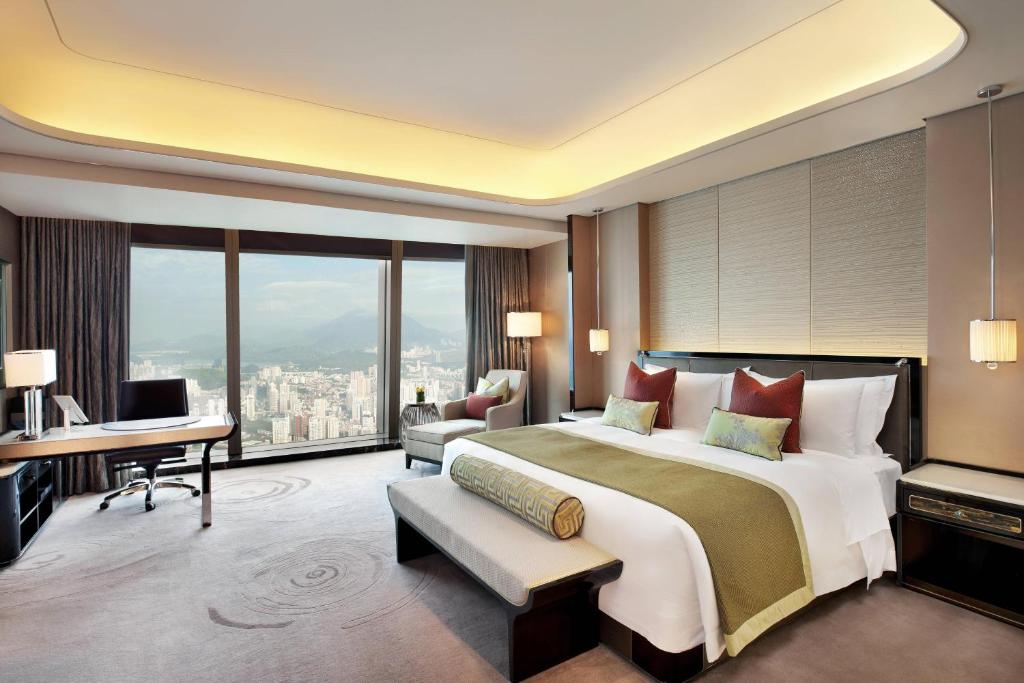
Shenzhen Accommodation Costs and Recommended Hotels
Shenzhen hotel rates are significantly seasonal. Spring (March-May) and autumn (September-November), plus Chinese New Year (late January-February), are peak seasons. Summer (June-September) and winter (December-early January) are off-peak. April is the most expensive month; August is the cheapest.
| Hotel Grade | Peak Season Price | Off-Peak Price |
| 5-star | ¥1,251-¥1,668 | ¥834-¥1,043 |
| 4-star | ¥556-¥834 | ¥347-¥521 |
| 3-star | ¥487-¥626 | ¥278-¥417 |
| 2-star | ¥174-¥243 | ¥104-¥153 |
| Hostel Dorm | ¥83-¥139 | ¥28-¥56 |
Recommended Luxury Hotels for Couples
- The St. Regis Shenzhen
- Four Seasons Hotel Shenzhen
- Futian Shangri-La, Shenzhen
- Hilton Shenzhen Shekou Nanhai
- Shenzhen Marriott Hotel Nanshan
Recommended Family Hotels
- Shenzhen Marriott Hotel Golden Bay
- Hard Rock Hotel Shenzhen
- Crowne Plaza Hotel & Suites Landmark Shenzhen
- DoubleTree by Hilton Hotel Shenzhen Longhua
- Lavenna Resort Judiaosha, Shenzhen
Recommended Budget Hotels
- Bers International Hotel (Shenzhen Songgang Subway Station)
- Guangchang Siji Hotel (Shenzhen Gongming Square Metro Station)
- Ouman International Hotel (Shenzhen Baoan Songgang Tianhong)
- Vienna Hotel (Shenzhen Pinghu Center Metro Station)
- Venus International Hotel (Shengping Subway Station)
Recommended Backpacker Hostels
- Dengba Hostel (Shenzhen Convention & Exhibition Center)
- Bonjour Youth Hostel
- Youmeng International Youth Hostel
- First Day Youth Hostel
Shenzhen Recommended Attractions
Window of the World (深圳世界之窗) – Miniature replicas of world-famous landmarks (Eiffel Tower, Pyramids, etc.) with cultural performances. Popular with families.
World Window Theme Park: 115 yuan
Happy Valley (欢乐谷) – Large amusement park offering roller coasters, water parks, and diverse attractions.
Splendid China Miniature Scenic Spot (锦绣中华民俗村) – Theme park showcasing Chinese history and culture with traditional buildings and folk performances.
Wutong Mountain (梧桐山) – Shenzhen’s highest peak offering hiking and nature appreciation with city and sea panoramas from the summit.
Xianhu Botanical Garden (仙湖植物园) – Park combining diverse flora and landscaping with the Buddhist Hongfa Temple.
Qianhai Bay (华强北) – Electronics shopping hub popular with tech enthusiasts.
Dapeng Ancient City (大鹏古城) – Historic Ming Dynasty site with traditional architecture and narrow alley experiences.
Hakka Enclosed Houses (客家围屋) – Traditional circular Hakka architecture offering deep insight into minority cultures.
Shenzhen Food Culture and Recommended Dishes
Shenzhen’s cuisine centers on Cantonese cooking while incorporating diverse regional Chinese cuisines due to its international population. Cantonese cuisine emphasizes fresh ingredients and subtle flavors. As a coastal city, Shenzhen offers abundant fresh seafood. Its international character also provides diverse foreign dining options.
Hostel Breakfast
Simple menus like toast, eggs, rice porridge, and tea. Free to 10 yuan.
Hotel Breakfast
Buffet-style with Chinese rice porridge, dim sum, fried rice, noodle dishes, Western bacon, salads, and eggs. 3-star hotel breakfast: 50-100 yuan; 5-star hotel breakfast: approximately 270 yuan.
Breakfast Recommendations
Dim Sum (点心): Baozi (包子), xiaolongbao (小笼包), har gau (虾饺). 20-50 yuan.
Cantonese Congee: Pork and preserved egg porridge. 8-15 yuan.
Rice Noodle Rolls (肠粉): Thin rice flour sheets with shrimp and pork. 15-25 yuan.
Wonton Noodles: Noodles and wontons in broth. 15-25 yuan.
Lunch Recommendations
Stir-fried Noodles (炒面): Cantonese-style noodles with seafood, meat, and vegetables. 25-40 yuan.
Seafood Dishes: Shrimp, crab, fish preparations. 50-150 yuan.
Roast Goose (烧鹅): Crispy and tender roasted goose. 40-80 yuan.
Dinner Recommendations
Hot Pot (火锅): Chinese-style shabu-shabu with varied ingredients (meat, seafood, vegetables). 80-150 yuan.
Sichuan Cuisine: Spicy dishes like malatang (麻辣烫) and malaxiangguo (麻辣香锅). 50-100 yuan.
Braised Pork (红烧肉): Tender, sweet pork braised in soy sauce. 30-60 yuan.

Shenzhen Travel Budget Estimate (1 Day)
Solo Backpacker Daily Budget: 147-293 CNY
| Item | CNY | Details |
| Accommodation | 42-153 | Hostel dorm/budget hotel |
| Meals | 63 | Street food + night market |
| Transport | 21 | Metro/bus |
| Attractions | 0-35 | Mostly free activities |
| Miscellaneous | 21 | Other expenses |
| Total | 147-293 |
Couple (2-Person) Budget Travel Daily: 586-747 CNY
| Item | CNY | Details |
| Accommodation | 222-383 | 3-star hotel |
| Meals | 217 | Mixed (street food + restaurant) |
| Transport | 28 | Metro/bus |
| Attractions | 84 | Museum, special experiences |
| Miscellaneous | 35 | Souvenirs, contingency |
| Total | 586-747 |
China Currency and Currency Exchange Information
China’s currency unit is the Yuan (元, Yuan, CNY, RMB). While cash and card payments are used, mobile payment methods (WeChat Pay, Alipay) are predominant in China. Hold small amounts of cash as backup for places where mobile payments aren’t available.
Airport Exchange
Airport exchange is convenient upon arrival but may charge higher fees. Exchange only necessary amounts at the airport and exchange additional funds in the city.
Local Bank Exchange
Major city banks offer exchange services: Agricultural Bank, Industrial and Commercial Bank, Bank of China. Your original passport is required. Operating hours: typically 09:00-17:00.
ATM Withdrawal
Withdraw yuan using cards at local ATMs. Fees may be lower than exchange services.
Mobile Payment
WeChat Pay and Alipay are China’s most widely-used mobile payment methods, supported at most shops, restaurants, and stores—enabling cashless transactions in most places.
Credit Cards
Major hotels and large shopping malls accept Visa and Mastercard. However, small shops and traditional markets often accept only WeChat Pay, Alipay, or cash. UnionPay cards work at nearly all establishments. Consider obtaining a UnionPay debit card for frequent China visitors.