
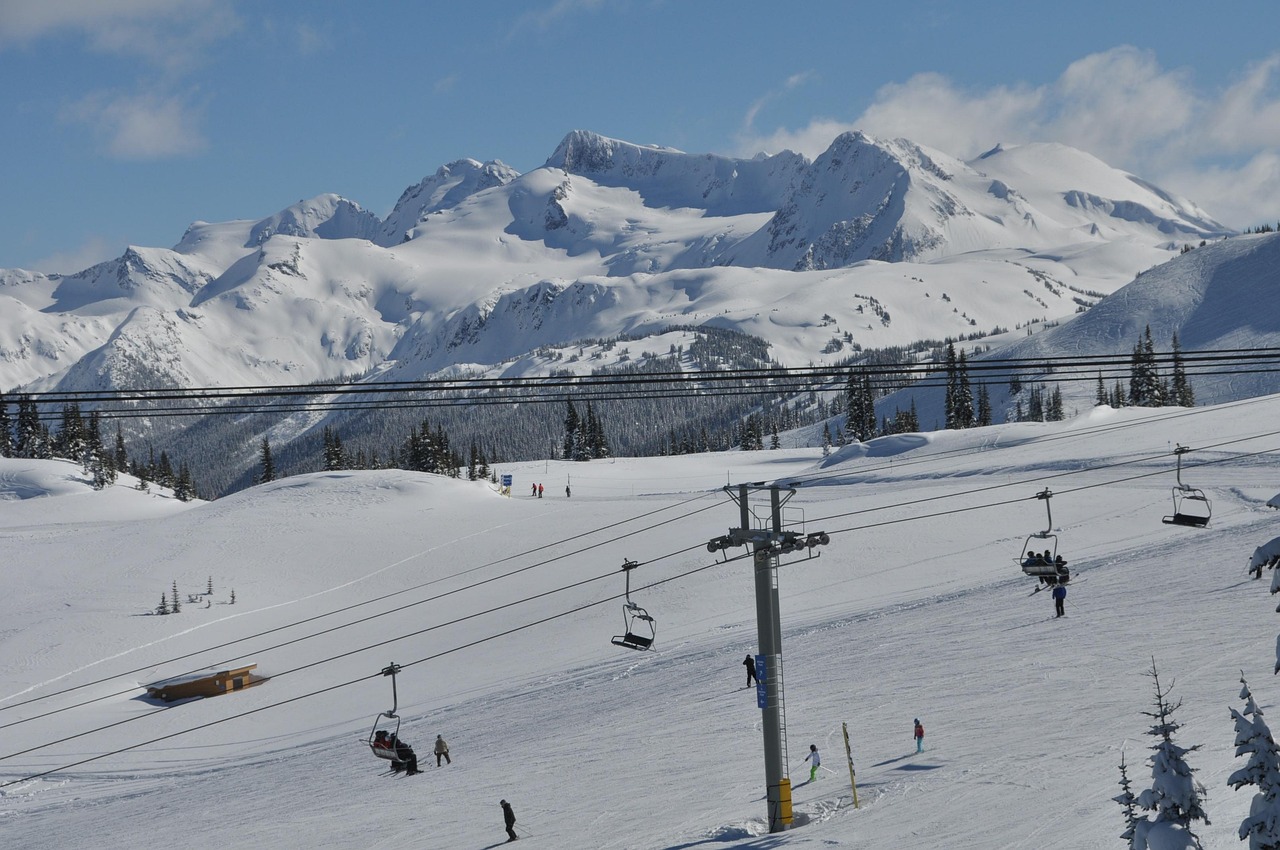
Whistler has a temperate rainforest climate. Winters (December-February) are extremely cold and snowy, with average temperatures ranging from -5°C to -1°C. Monthly snowfall exceeds 1,000mm, making it a world-class ski destination. Summers (June-August) are mild and dry, with average temperatures of 20-25°C, perfect for hiking and mountain activities.
The region experiences dramatic seasonal extremes. Peak precipitation occurs from November to March. Temperatures can exceed 30°C on about 11 days annually, while dropping below -10°C on approximately 24 days.
Whistler’s Seasonal Weather
Winter (December – February)
Winter is Whistler’s peak season. Average temperatures in the village range from -2°C to -8°C. Temperatures are even colder in the mountain areas. December alone sees an average of 2.4 meters of snow. Annual snowfall reaches 11.91 meters, among the highest in the world. During winter, visitors can enjoy skiing, snowboarding, snowshoeing, and other winter activities.
Spring (March – May)
Spring is the transition season from winter to summer. March temperatures are around 6-8°C, rising to 16-17°C by May. Snow still remains on the mountain peaks, allowing for late-season skiing. Rain frequently falls in the lower valley areas, while wildflowers begin to bloom on the hillsides. The large temperature difference between day and night makes layering clothing essential.
Summer (June – August)
Summer is warm and dry. Average temperatures range from 21-27°C. Precipitation is about 60mm per month, much less than winter. Long daylight hours and clear weather make hiking, mountain biking, fishing, canoeing, and golf possible. The village hosts various music festivals and events.
Fall (September – November)
Fall is a quiet and beautiful season. September temperatures are around 20°C, dropping to about 3°C by late November. Foliage changes color, creating stunning scenery. Rain and sleet begin to appear, and the first snow may fall in November. Tourism is lighter during this period, allowing visitors to experience a peaceful mountain environment.
Best Times to Visit Whistler
Peak Season: December to March
Winter is Whistler’s peak season. The busiest months are December through February. Heavy snowfall arrives during this period. Average monthly snowfall reaches 2.4 meters. Conditions are ideal for skiers and snowboarders worldwide.
Peak season temperatures are cold. Daytime highs average -2°C. Nighttime lows drop to -8°C. Certain dates draw massive crowds. Christmas week and Martin Luther King Jr. weekend are extremely busy. Book accommodations and lift tickets well in advance.
Prices reach their highest during peak season. A single day lift ticket can cost up to $299. Early booking discounts are available. Tickets purchased before October 8th start at $102 per day.
Off-Season: May to September
Whistler offers year-round activities. Summer months (June to August) provide affordable options. Average temperatures range from 20°C to 24°C. Daylight hours extend to 7-8 hours daily. Rainfall is minimal. The Whistler Mountain Bike Park operates from May to October.epicrides+1
Summer accommodation prices drop compared to winter. However, Whistler remains a popular destination year-round. The Crankworx international bike festival occurs in August. Plan accordingly if you prefer to avoid crowds.
Fall (September to October) is the true budget season. This period is less crowded. Discounts apply to activities and accommodations. Fall foliage adds natural beauty. The mountain bike park remains open. A fall pass costs $390 for unlimited riding.
Best Value Times: November, April-May, September-October
Early November marks the ski season start. Snow begins falling heavily. Accommodation and lift prices remain reasonable. Lift lines are short. The ski season’s beginning offers winter wonderland conditions.
April and May provide excellent value. You can still ski and snowboard. Daytime temperatures average 5°C to 16°C. Après-ski on outdoor patios becomes possible. Late-season deals offer significant savings. Easter week is busy; avoid it if possible. Daylight extends for longer riding and skiing. The World Ski and Snowboard Festival runs in mid-April. This event attracts visitors seeking activities and entertainment.
September and October offer the deepest discounts. Accommodation and activity prices drop significantly. Average temperatures range from 11°C to 20°C. Both indoor and outdoor activities are enjoyable. Many festivals and events occur during this season. Mountain bike trails are less crowded. Conditions suit stargazing perfectly. Visit on weekdays for additional hotel discounts.
Monthly Weather Guide
January
January brings the heaviest snowfall of the ski season. The resort receives 2 to 2.5 meters of snow. Blue-bird days follow powder days regularly. Average temperatures are cold. Daytime highs reach -2°C. Nighttime lows drop to -8°C. Snow conditions are excellent throughout the month. Mountain views are stunning. The iconic Black Tusk mountain backdrop is unparalleled. However, January is very crowded. Book accommodations early.
February
February is peak ski season in Whistler. The resort receives 2 to 3 meters of snowfall. Snow quality is excellent. Powder days are common. Cold temperatures and consistent storms maintain deep snow coverage. Powder enthusiasts flock to Whistler during this month. The snowpack reaches its deepest levels. Evening temperatures drop below freezing. Average daytime highs reach 3°C. Average nighttime lows stay at -5°C.
March
March continues excellent skiing despite warmer temperatures. The resort receives approximately 2 meters of snowfall. March is one of the snowiest months of the season. Days start with winter-quality coverage. Afternoon sun softens the snow. This creates ideal spring skiing conditions. Daytime highs rise to 8°C. Nighttime lows reach -3°C. Lower elevations experience more rainfall. Higher elevations stay snowy.
April
April offers sunshine with shorter lift lines. Skiing and snowboarding remain enjoyable. The resort receives 1 to 1.5 meters of snowfall at higher elevations. Daytime highs average 11°C. Nighttime lows stay around 2°C. Fresh snow appears in alpine areas. Lower elevations experience slushier conditions. The World Ski and Snowboard Festival occurs in mid-April. Après-ski on patios becomes popular.
May
May transitions into the summer season. Daytime temperatures range from 12°C to 17°C. Snowfall is minimal. Average rainfall reaches 65.7mm. Hiking and mountain biking trails open. The Whistler Mountain Bike Park begins operations. Snow melts at lower elevations. Green landscapes emerge. Evening temperatures can still be cool. Bring layers for temperature variations.
June
June marks the beginning of summer. Daytime temperatures average around 20°C to 21°C. Nighttime lows hover near 9°C. Rainfall is light and manageable. Summer activities dominate the season. Mountain biking becomes very popular. Daylight hours extend significantly. The weather is mild to warm. Swimming in lakes becomes enjoyable. Outdoor dining options expand.
July
July is Whistler’s warmest month. Daytime temperatures reach 27°C. Nighttime lows average 11°C. Precipitation is minimal. Sunshine is abundant. This is peak hiking and biking season. The mountain scenery is spectacular. Warmer evenings allow for outdoor activities. Weather is generally stable. Rain showers are rare.
August
August maintains warm summer conditions. Daytime highs reach 27°C. Nighttime lows average 11°C. Rainfall remains minimal. Long daylight hours continue. The Crankworx international bike festival occurs in August. Mountain biking, hiking, and camping are at their peak. Weather is perfect for outdoor adventures.
September
September sees the transition to fall. Daytime temperatures average around 20°C. Nighttime lows drop to 8°C. Rainfall increases to 100mm to 146.7mm. Fall foliage begins to change colors. The landscape becomes picturesque. Crowds diminish significantly. Outdoor activities remain excellent. The weather is pleasantly cool.
October
October is a beautiful autumn month. Daytime temperatures average 16°C. Nighttime lows drop to 3°C. Rainfall reaches 146.7mm. Early snow may fall at higher elevations. The landscape displays vibrant fall colors. Mountain biking trails are less crowded. Conditions suit stargazing perfectly. The weather is cool and crisp.
November
November transitions into winter. The first heavy snows arrive. Daytime temperatures drop to 5°C. Nighttime lows reach -1°C. Average snowfall is 657mm. Ski season begins as snow accumulates. Ski conditions improve throughout the month. Lift lines remain short early in the season. The landscape transforms into a winter wonderland. Cloud cover increases frequently.
December
December marks the start of holiday season. Heavy snowfall arrives. The resort receives approximately 1,140mm of snow. Daytime temperatures average -1°C. Nighttime lows drop to -5°C. Snow conditions are excellent throughout the month. Christmas week attracts massive crowds. Book accommodations well in advance. The festive atmosphere adds to the experience. Winter activities dominate the season.
Recommended Clothing by Season
Winter Clothing (December – February)
Winter requires proper layering to stay warm and dry. Start with thermal base layers. These wick moisture and retain heat. Mid-layers should include fleece or down jackets. Waterproof and windproof outer layers are essential. A waterproof jacket protects against snow and rain.
Snow boots must be waterproof and have good tread. Icy sidewalks are common. Tall waterproof boots work best. Wear wool socks for warmth and moisture management. Toques, mittens, and scarves are necessary. Waterproof gloves keep hands dry. Sunglasses or goggles protect your eyes on sunny days.
For evening activities, casual to smart casual clothing suits Whistler’s style. Ponchos and draped cardigans work well for layering. Black denim and dark jeans pair with sweaters. Fleece-lined leggings can layer under snow pants. A stylish coat adds warmth for dining out.
Spring Clothing (March – May)
Spring weather is unpredictable. Layering is key. Start with light base layers like merino wool. Mid-layers should include wool sweaters or fleece. Waterproof jackets are essential for rain showers. Under-arm vents provide breathability.
Long-sleeve shirts and sweaters layer easily. Jeans or hiking pants are durable and comfortable. Waterproof shoes or boots protect against wet conditions. You can still wear ski jackets for warmth. Toques and gloves are useful early in spring. Avoid cotton as it doesn’t regulate temperature well. Sunglasses and sunscreen protect against sun reflection off snow.
Summer Clothing (June – August)
Summer calls for lightweight, breathable clothing. Wear shorts and t-shirts for warm days. Moisture-wicking shirts suit active hiking and biking. Bring a light jacket for cool evenings. A light hoodie or fleece works for layering.
Athletic wear is ideal for biking, hiking, and yoga. Comfortable sandals suit strolling Whistler Village. Pack a swimsuit for lake swimming and hot tubs. Trainers and hiking shoes are essential for trails. A hat and sunglasses provide sun protection. Sunscreen is a must-have item. Always bring a packable windbreaker for higher elevations. A waterproof jacket handles unexpected showers.
Fall Clothing (September – November)
Fall requires versatile clothing for temperature changes. Layering is essential. Start with merino wool base layers. These keep you warm and wick perspiration. Mid-layers should include wool sweaters or fleece. Avoid cotton as it doesn’t regulate temperature properly.
Gore-tex jackets provide excellent wind and rain protection. Under-arm vents improve breathability. Jeans or hiking pants work well for activities. Waterproof shoes or boots protect against wet ground. Accessories include gloves, scarves, and toques. These items prevent body heat loss. Toque style often reflects personal fashion preferences. A light down jacket layers under shells for extra warmth. Long-sleeve shirts and sweaters provide mid-layer options.
Monthly Climate Data
| Month | Avg. High Temp (°C) | Avg. Low Temp (°C) | Precipitation (mm) | Snowfall (cm) | Sunrise | Sunset |
| January | -2 | -8 | 182 | 103 | 8:10 AM | 4:15 PM |
| February | 3 | -5 | 166 | 64 | 7:50 AM | 5:25 PM |
| March | 8 | -3 | 158 | 47 | 7:00 AM | 6:50 PM |
| April | 11 | 2 | 95 | 16 | 6:00 AM | 8:10 PM |
| May | 17 | 7 | 96 | 1 | 5:15 AM | 8:55 PM |
| June | 21 | 9 | 100 | 0 | 5:00 AM | 9:25 PM |
| July | 27 | 11 | 65 | 0 | 5:30 AM | 9:15 PM |
| August | 27 | 11 | 66 | 0 | 5:40 AM | 8:55 PM |
| September | 20 | 8 | 90 | 0 | 6:20 AM | 8:10 PM |
| October | 16 | 3 | 170 | 8 | 7:15 AM | 6:55 PM |
| November | 5 | -1 | 202 | 66 | 7:45 AM | 4:25 PM |
| December | -1 | -5 | 216 | 114 | 8:05 AM | 4:10 PM |