
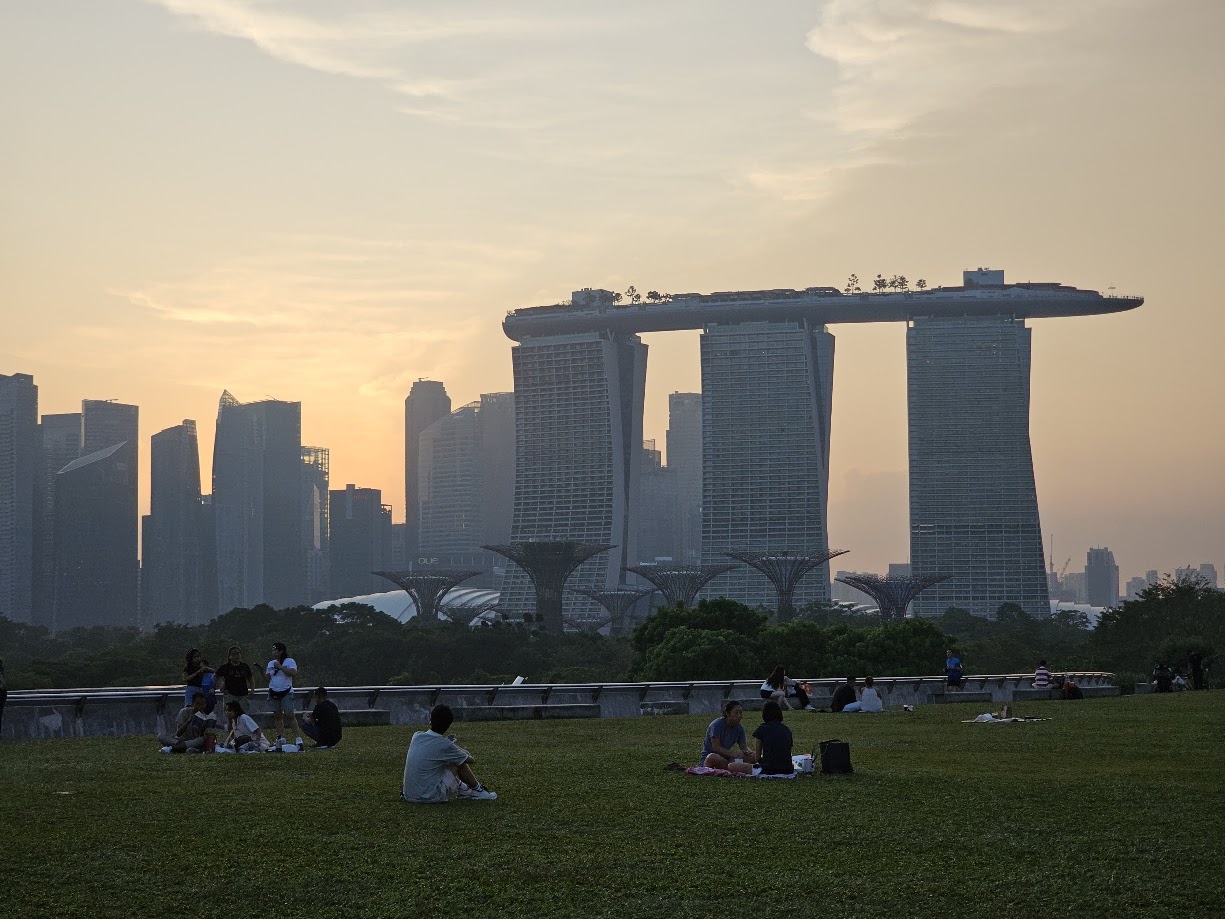
Singapore Weather Guide: When Should You Visit?
Singapore sits at the southern tip of the Malay Peninsula, just above the equator, which gives the city-state a tropical monsoon climate with no distinct four seasons. Average annual temperatures hover around 26–27°C, and while it stays warm year-round, rainfall patterns shift between a wetter northeast monsoon and a drier southwest monsoon season.
This guide breaks down Singapore’s seasonal weather, month-by-month temperatures with practical clothing tips, the best time to visit, and key weather risks to prepare for.
Seasonal Weather Breakdown
Northeast Monsoon (December–March)
Highs reach 29–30°C with lows around 23–24°C. This period sees the heaviest rainfall, especially mid-December through early January, along with humidity often exceeding 80%. It’s also peak season for Christmas light-ups and New Year celebrations.
Southwest Monsoon (June–September)
Drier and sunnier overall, with highs of 31–32°C. Regional haze from nearby forest fires can occasionally affect air quality, so checking air quality index is worthwhile during this period.
Inter-Monsoon Periods (April–May, October–November)
Transitional months bring frequent afternoon thunderstorms and some of the year’s highest temperatures, up to 32–33°C.
Best Time to Visit Singapore
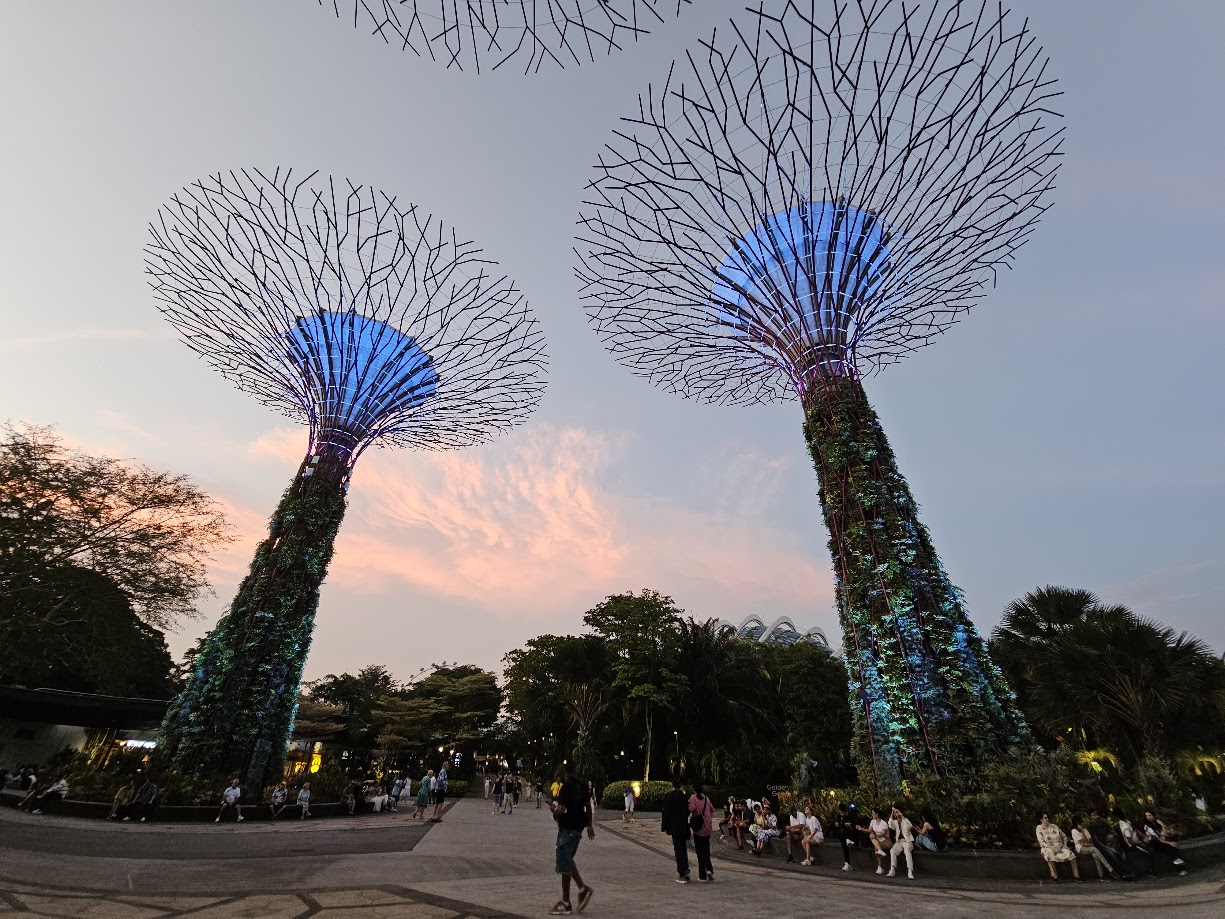
Monthly Weather and What to Wear
January brings highs near 29°C and frequent rain—pack a compact umbrella and light rain jacket.
February is drier with highs around 30°C, suitable for light t-shirts and a thin cardigan.
March warms slightly to 31°C highs; sunscreen and a hat are recommended as UV levels rise.
April marks the start of inter-monsoon storms with highs of 32°C—carry both breathable clothing and an umbrella.
May is one of the hottest months at 32–33°C; moisture-wicking fabrics and sun protection are essential.
June turns drier with highs of 31°C, ideal for light summer wear and sunglasses.
July has minimal rainfall with highs around 31°C; consider a mask if haze levels rise.
August stays sunny at 31°C, matching National Day celebrations—light outfits and water bottles are handy.
September remains dry with highs of 31°C, good for shorts and t-shirts.
October sees increasing afternoon showers with highs of 31°C—bring a foldable umbrella.
November rainfall picks up sharply with highs of 30°C; pack a waterproof jacket and spare clothing.
December is the wettest month with highs of 29°C; combine rain gear with a light jacket for cooler evenings.
Monthly Climate Data (Approximate Averages)
No snowfall occurs in Singapore’s tropical climate.
Weather Risks to Watch
-
Heavy rain and thunderstorms: Especially Nov–Jan, carry a compact umbrella
-
Haze: Possible Jun–Sep from regional fires, check air quality index
-
Strong UV exposure: Year-round, use sunscreen and sun protection
-
Heat and humidity: Stay hydrated, plan indoor breaks during peak heat
Consider travel insurance and checking a reliable weather app before your trip.
Singapore Weather FAQ
Q1. When is Singapore hottest?
A. April to June, with highs reaching 32–33°C.
Q2. When is Singapore’s rainy season?
A. Roughly November to January sees the heaviest rainfall.
Q3. Do I need an umbrella in Singapore?
A. Yes, sudden showers occur year-round regardless of season.
Q4. Does Singapore have a cold season?
A. No, temperatures stay tropical year-round, even in December.
Q5. What’s the best month to visit Singapore?
A. February to early April generally offers the most comfortable conditions.
Q6. Does Singapore experience haze?
A. Yes, mainly June to September due to regional forest fires.
Q7. Is Singapore always humid?
A. Yes, humidity typically stays between 75–85% year-round.
Conclusion
Singapore’s tropical climate stays warm all year, but rainfall patterns make some months more comfortable than others. February through early April offers the best balance of dry weather and lighter crowds, while December and August suit festival-focused travelers. Always check real-time forecasts closer to your travel date.