
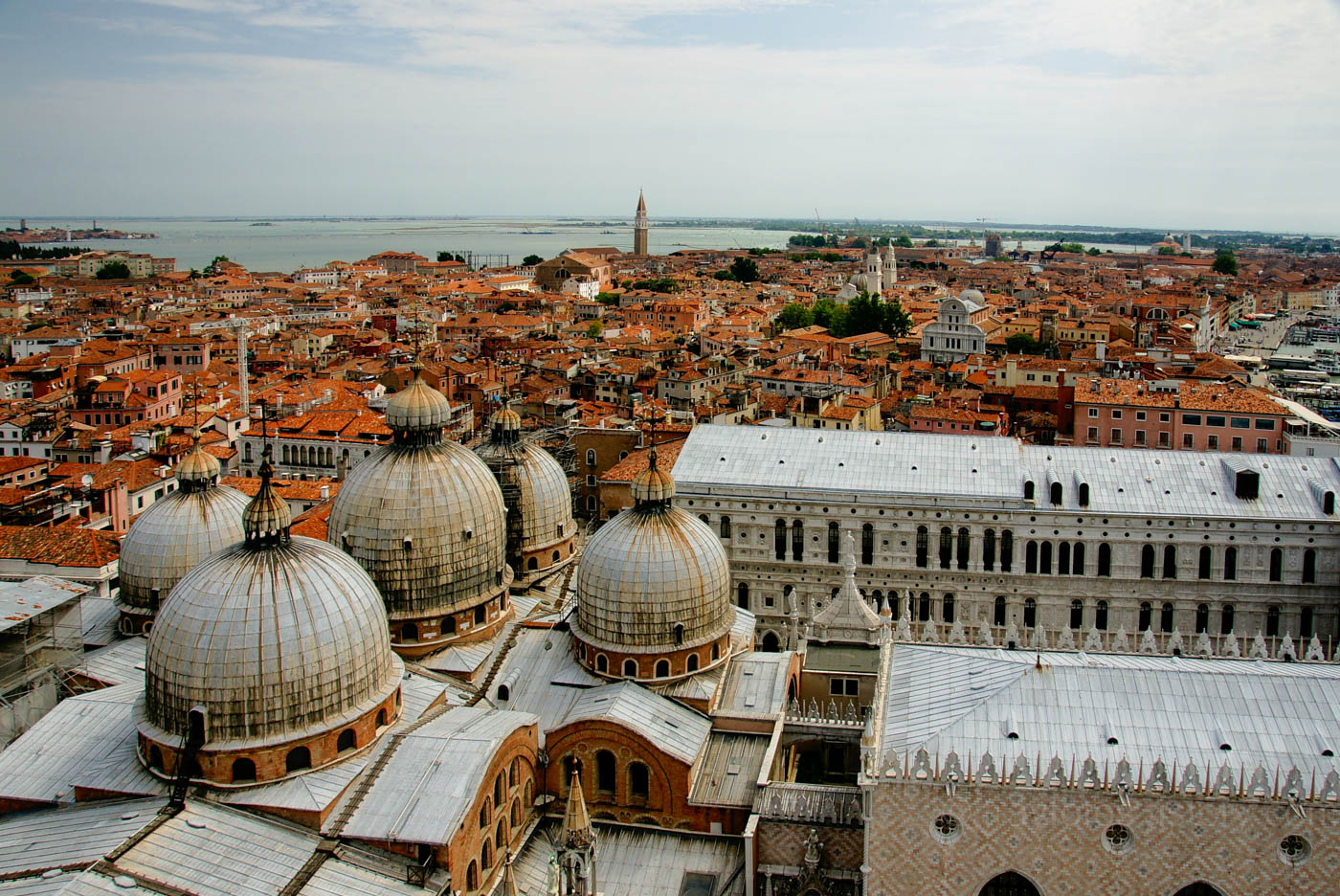
Venice (Venezia) is a uniquely enchanting city in northern Italy, famously known as the “City on Water.” Built across 118 small islands connected by canals and bridges, it is one of the most beloved travel destinations in the world. The historic centre is a UNESCO World Heritage Site, filled with medieval and Renaissance architecture, extraordinary art, and an unmistakably romantic atmosphere. Here, gondolas and water taxis replace cars and roads — and wandering across bridges and through narrow, winding alleyways feels like stepping back in time.
Beyond being a tourist landmark, Venice is a city of extraordinary culture and deep history. Annual events such as the Venice Carnival, centuries-old glassblowing traditions, and the internationally acclaimed Venice Biennale give this city a character found nowhere else on earth. Venice also offers wonderful culinary pleasures — from delicious Italian cuisine and fresh lagoon seafood to local wines. When planning your trip, we recommend exploring not only the main sights but also the hidden gems that make Venice truly special.
Seasonal Weather & Best Time to Visit
Located in northeastern Italy, Venice has a subtropical climate featuring cold winters, warm springs, hot and humid summers, and refreshing autumns. Sitting on a shallow lagoon, the city is always somewhat humid. During spring and autumn, rainfall can cause localised flooding (acqua alta) in parts of the city, which may inconvenience travel.
Spring (March – May)
Spring marks the beginning of the high travel season in Venice. Average temperatures range from 8–20°C. March can still be quite cool, but April and May bring warmer weather and flowers in bloom across the city. Days are sunny and evenings are pleasantly cool. Peak tourist season begins after Easter, bringing higher accommodation prices. Visiting in early-to-mid March allows you to find significantly discounted lodging.
Summer (June – August)
Summer is Venice’s busiest season. Temperatures can exceed 35°C, hotels are at their most expensive, and the canals are packed with gondolas carrying tourists. Average temperatures reach 20–30°C, and strong sunlight combined with high humidity can make the heat feel intense. Canals may emit unpleasant odours during the hottest parts of the day, and mosquitoes can be a nuisance. Museums and attractions require long queues, and budget accommodation is hard to find. That said, summer also brings a rich calendar of festivals, exhibitions, and concerts.
Autumn (September – November)
Autumn is a beautiful season in Venice as summer heat fades and cooler weather arrives. Average temperatures range from 12–25°C. September offers warm, sunny days and cool evenings; October continues with pleasant clear skies and breezy evenings. By November, temperatures drop noticeably and winter starts to feel close. Tourist numbers decline in autumn, making accommodation notably more affordable.
Winter (December – February)
Venice’s position on the northern Adriatic means it experiences a cold, long winter. Average temperatures range from 0–10°C, with December and January being particularly bitter. Winter reveals a quieter, more peaceful side of Venice, though the cold, windy, foggy, and damp conditions — especially in narrow alleyways — can be challenging. Budget-conscious travellers will find the best prices of the year. Venice’s winter culminates in its greatest festival: the famous Venice Carnival.
Best & Worst Times to Visit
Best times:
- April–May (Spring): Sunny weather and manageable crowds — ideal for experiencing Venice at its most beautiful
- September–October (Autumn): The summer heat subsides and Venice takes on a deeply romantic atmosphere. Visitor numbers are lower, accommodation prices drop, and the weather remains pleasant for sightseeing
Times to avoid:
- August: Extreme heat and overwhelming tourist crowds drive up prices significantly
- November–January: Acqua alta (high water flooding) can submerge streets and make movement around the city difficult
Italian Visa & Entry
Most nationalities with visa-free agreements with the Schengen Area can visit Italy for up to 90 days for tourism without a visa. The same rules apply when combining Italy with travel to other Schengen countries.
From the second half of 2026, visitors to Schengen countries are required to register for the ETIAS (European Travel Information and Authorisation System) online before arrival. The fee is €20. Register here.
Getting from the Airport to the City
Marco Polo Airport (VCE)
Marco Polo Airport is located in the Mestre area on the mainland, approximately 13 km north of central Venice. It is well connected to major European airports and serves as the primary gateway for most international visitors.
Taxi
A taxi request desk is located in the arrivals hall. Taxis operate on a fixed fare of €40 (up to 4 passengers) from the airport to Piazzale Roma (the main vehicle entry point into Venice), with no variation by time of day. Journey time is approximately 15–20 minutes, and service runs 24 hours a day.
ATVO Airport Express Bus
Runs between Marco Polo Airport and Piazzale Roma. Departure hours from the airport: 06:00–01:10. Tickets cost €10 one-way / €18 return and can be purchased online or from vending machines in the arrivals hall.
ACTV Aerobus (Line 5)
Also runs between Marco Polo Airport and Piazzale Roma. Airport-bound hours: 04:35–00:40; airport departures: 04:08–01:10. Journey time is approximately 23 minutes. A 75-minute combined ticket (valid for both the Aerobus and the Vaporetto water bus) costs €10 one-way / €18 return.
Alilaguna Water Bus (Airport Boat)
The Alilaguna water bus takes you directly from the airport to destinations throughout Venice — no transfer required. Service runs to Lido, central Venice, and the Cruise Terminal. Tickets: €18 one-way / €32 return.
Private Water Taxi
The fastest and most luxurious option. A private water taxi reaches San Marco in around 30 minutes. Fares: €130 for up to 4 passengers (€10 per additional person, up to 10 passengers). A more affordable shared water taxi option is available for €39 per person.
Treviso Airport (TSF)
A smaller airport located 25 km from Venice, primarily used by low-cost carriers such as Ryanair, Wizz Air, and Transavia.
ATVO Bus
Runs from Treviso Airport to Mestre (55 minutes) and on to Piazzale Roma in Venice (70 minutes). Tickets: €12 one-way / €22 return, available online or at the ATVO desk in the arrivals hall.
Barzi Bus Service
Runs from Treviso Airport to Mestre train station (~30 minutes) and on to Venezia Tronchetto (the Vaporetto hub, ~40 minutes). Tickets: €12 one-way / €22 return, available at the arrivals desk or onboard the bus.
Arriving by Train
Venice is well connected by rail to cities across Italy, including overnight train services from southern Italian cities, and international trains from major European cities. Train schedules and tickets can be checked and booked online.
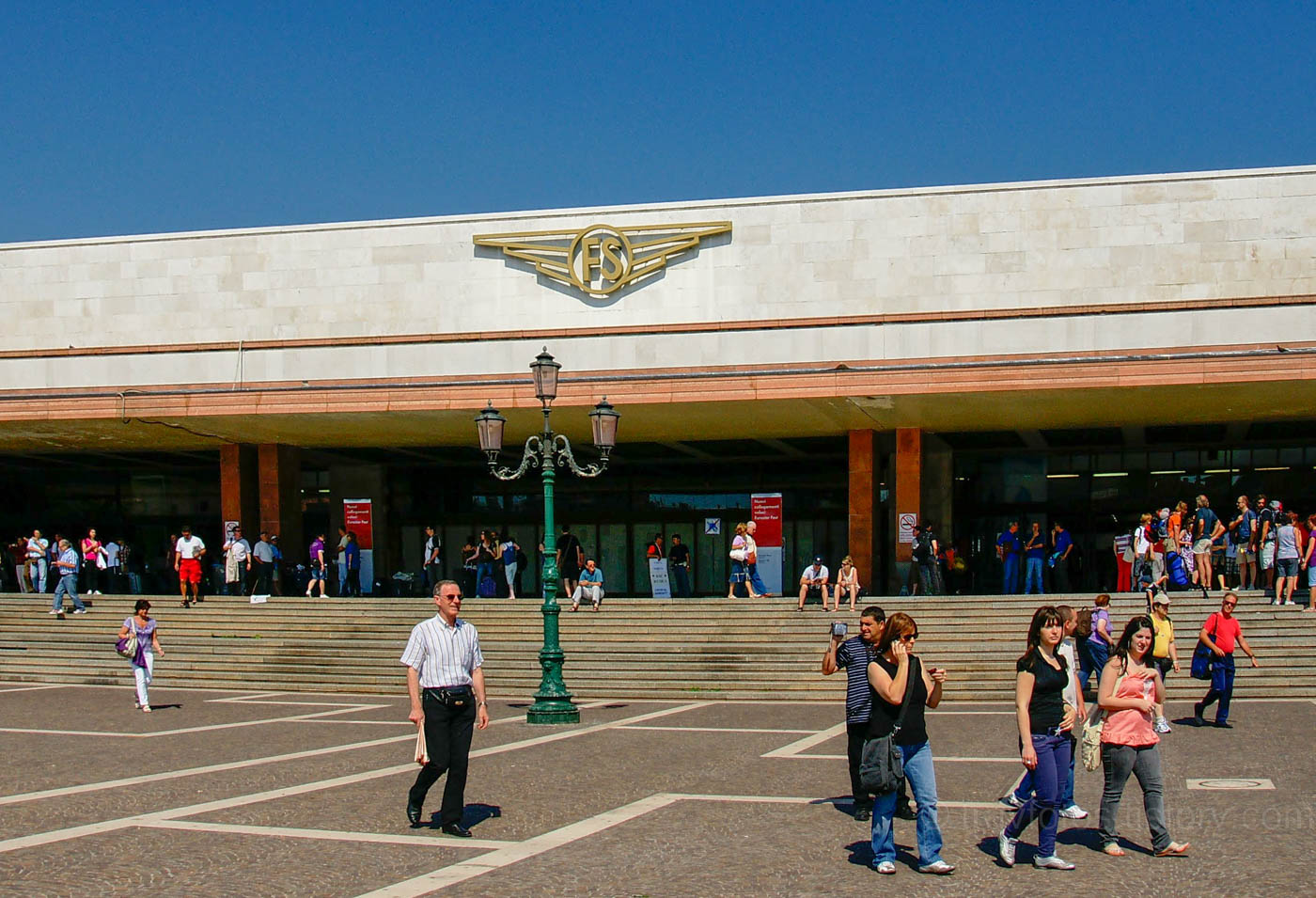
Trains from the Italian mainland run through Venezia Mestre station on the mainland, terminating at Venezia Santa Lucia station on the western edge of Venice island. From Santa Lucia, you can reach your hotel or other parts of Venice by:
- Vaporetto (water bus): €9.50
- Water taxi (Motoscafo): €70–80
- On foot: approximately 30 minutes to Piazza San Marco
Getting Around Venice
Venice’s primary public transport is the Vaporetto (water bus), operated by ACTV. Cars are banned from the islands, and aside from walking, the Vaporetto is the only form of public transport available.
Vaporetto (ACTV Water Bus)
Venice is very walkable, but covering longer distances or reaching other islands requires the Vaporetto. Water taxis are also available but significantly more expensive. View the Vaporetto route map online.
Tickets can be purchased at pier ticket offices, vending machines, or online. You must validate your ticket at the scanner on the pier before boarding.
The 75-minute single ticket allows unlimited transfers between routes within the 75-minute window (but you cannot use it for a round trip on the same route).
| Ticket | Price |
| Single ride (75 min) | €9.50 |
| 24-hour pass | €25 |
| 48-hour pass | €35 |
| 72-hour pass | €45 |
| 7-day pass | €65 |
Gondola
The iconic symbol of Venice — an 11-metre-long, 1.4-metre-wide black boat — gondolas were historically used to transport people and goods through the canals. Today they are primarily used for sightseeing tours.
Gondola rides operate on fixed fares: €90 for 25–30 minutes (daytime), rising to €110 at night (19:00–03:00). Booking a shared gondola online is a more affordable option. Popular boarding points include near Piazza San Marco and the Rialto Bridge — expect to wait during peak season.
Water Taxi (Motoscafo)
Venice’s water taxis are fast, private, and convenient — picking you up directly from your hotel or a designated jetty and taking you non-stop to your destination. Unlike the Vaporetto, they make no intermediate stops.
Taxis can be found waiting at major jetties (Piazzale Roma, Santa Lucia, San Marco, Rialto) or booked through your hotel reception.
Urban route fares:
- Base fare: €15 (up to 6 passengers, luggage included)
- Additional charge: €2 per minute
- Night surcharge (22:00–07:00): €10 extra or 15–20% premium
Common routes:
| Route | Fare |
| Piazzale Roma → San Marco | €60–80 |
| Santa Lucia Station → Hotel | €60–100 |
| Piazzale Roma → Lido | €32 |
| Santa Lucia Station → Lido | €32–40 |
Accommodation
Venice’s hotel peak season is summer — July and August in particular. Spring and autumn see healthy visitor numbers but slightly lower rates; winter offers the most affordable options. For the best-value stays, consider booking outside the San Marco district.
Romantic Luxury Hotels (Couples / Honeymoon)
- Nolinski Venezia – Evok Collection
- The Venice Venice Hotel
- Radisson Collection Hotel, Palazzo Nani Venice
- The St. Regis Venice
- Palazzo Venart Luxury Hotel
Family Hotels & Apartments
Budget & Backpacker Hostels
Top Attractions
Piazza San Marco (St Mark’s Square)
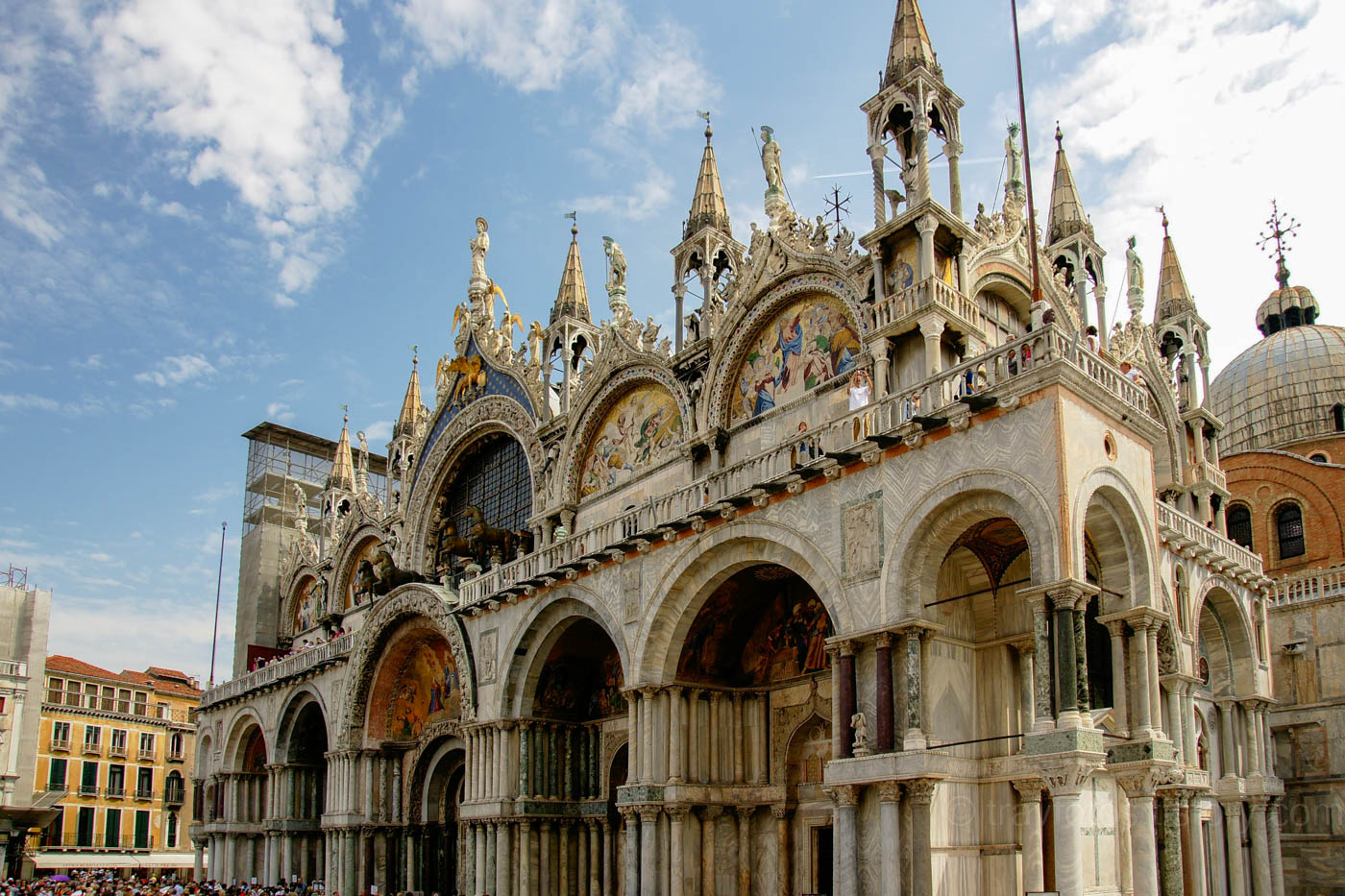
The central square of Venice, surrounded by the Basilica di San Marco, the Doge’s Palace, and the Campanile bell tower. Visit in the evening when crowds thin and the illuminated square takes on a magical atmosphere.
Basilica di San Marco (St Mark’s Basilica)
Venice’s most iconic architectural masterpiece, with over 1,200 years of history. Famous for its stunning Byzantine mosaics covering over 8,000 square metres in shimmering gold — an awe-inspiring sight.
Campanile di San Marco (St Mark’s Bell Tower)
At approximately 99 metres, Venice’s tallest structure. An elevator takes you to the top for a breathtaking 360-degree panoramic view over the city and the lagoon. Entrance: €10 — absolutely worth it.
Doge’s Palace (Palazzo Ducale)
A Gothic Venetian masterpiece and former residence of the Doge (Venice’s ruler). Inside, you’ll experience the dramatic rise and fall of Venetian political power — and you can even visit the prison cell from which the legendary Casanova famously escaped.
Bridge of Sighs (Ponte dei Sospiri)
A beautiful white limestone bridge connecting the Doge’s Palace to the prison. Legend has it that condemned prisoners would sigh as they glimpsed their last view of Venice through its small windows. Free to admire from outside; walk through it as part of a Doge’s Palace tour.
Rialto Bridge (Ponte di Rialto)
Built in the 16th century, the oldest and most famous bridge over the Grand Canal. Lined with shops on both sides, it offers one of the most stunning views of the Grand Canal.
Rialto Market (Mercato Rialto)
A historic, bustling traditional market near the Rialto Bridge, selling fresh fish, vegetables, and fruit. One of the best places to experience authentic Venetian daily life away from the tourist trail.
Grand Canal (Canal Grande)
Venice’s main waterway runs through the heart of the city, lined on both sides with elegant palaces and historic buildings. Famous for gondola rides — experience Venice’s extraordinary scenery from the water.
Ponte dell’Accademia (Accademia Bridge)
A scenic bridge at the southern end of the Grand Canal offering perfect views in both directions — the dome of Santa Maria della Salute in one direction, and quiet canals stretching away in the other.
Gallerie dell’Accademia
Home to the richest collection of Venetian paintings anywhere in the world, including works by Tintoretto, Bellini, and other great masters. Located in Dorsoduro, making it easy to combine with a walk along the Grand Canal palaces.
Basilica of Santa Maria della Salute
One of Venice’s most photographed landmarks — a grand octagonal Baroque church built in the 17th century to mark the end of the plague. Its position at the entrance to the Grand Canal makes it one of the most iconic silhouettes in the city.
Peggy Guggenheim Collection
A world-class museum dedicated to 20th-century modern art, housed in a striking palazzo on the Grand Canal with a spectacular terrace overlooking the water. Highly recommended for anyone with an interest in contemporary art.
San Giorgio Maggiore
An island church directly across from San Marco. Climb its campanile for arguably the best aerial views of Venice — looking back at the entire city across the water.
Recommended Tours
Must-Try Foods
Venice has a unique maritime food culture rooted in the fresh seafood of its lagoon — squid ink pasta, pickled sardines, and fried seafood have been passed down through generations. The city also has a vibrant cicchetti culture (Venetian-style tapas) — small bites enjoyed alongside cocktails and the iconic Aperol Spritz, forming the heart of local social life.
Breakfast
Cornetto + Coffee — The classic Italian breakfast: a sweet croissant-shaped pastry paired with espresso or cappuccino. Available cheaply at any local bakery (pasticceria). €4–7 (coffee included)
Panettone or Pandoro — Seasonal festive bread with raisins and nuts, found at local Venetian bakeries. A wonderful taste of Venetian tradition. €3–5
Lunch
Pizza by the Slice — Sold by the slice at local pizzerias for a quick and satisfying midday meal with endless topping options. €2.50–5 per slice
Panini / Tramezzini — Fresh filled sandwiches; the tramezzino (crustless white bread sandwich) is a distinctly Venetian snack. €2–5
Risotto or Pasta — Two Venetian classics:
- Spaghetti al Nero di Seppia — pasta coloured and flavoured with squid ink; one of Venice’s signature dishes
- Risotto di Goby — a traditional lagoon risotto made with the small goby fish
€12–18 (casual restaurant) / €30–50 (mid-range restaurant)
Dinner
Fritto Misto — A generous mixed fry of fresh fish and seafood in a light, crispy coating. An essential Venice experience. €30–50
Sarde in Saor — Venetian pickled sardines with a sweet-and-sour balance of vinegar and onions. A centuries-old local classic. €15–25
Seppie al Nero — Cuttlefish cooked in its own ink, served with creamy polenta. Refined and deeply flavourful. €30–50
Seafood Lasagna — Layered pasta with sea bass, clams, octopus, and other fresh seafood. Light yet satisfying. €45/person (including drinks and water)
Snacks & Appetisers
Cicchetti — Venice’s beloved tapas tradition: small crusty bread topped with various ingredients, mini tramezzini, and fried bites. Order several for a varied light meal.
Popular cicchetti:
- Polpette — fried meatballs or fish balls
- Mozzarella in Carrozza — fried mozzarella and anchovy sandwich
- Sarde in Saor — pickled sardines
- Schie e Polenta — lagoon shrimp on grilled polenta
€1.00–1.50 per piece
Gelato — Italian ice cream needs no introduction; Venice’s gelaterias are particularly well-regarded. Try 1–2 scoops of different flavours. €1.50–2.80
Aperol Spritz / Prosecco — Venice’s iconic drink. Sip slowly at an outdoor table as the sun goes down — the quintessential Venetian experience, enjoyed with cicchetti. €2.50–4 (glass) / €3–5 (beer)
Zaleti — Traditional Venetian cornmeal cookies made with polenta flour and raisins. A lovely sweet snack with coffee, or a perfect edible souvenir. €2–5
Daily Budget Estimates
Solo Backpacker – ~€75–128/day
| Item | Estimated Cost | Notes |
| Accommodation | €21–50 | Hostel dormitory |
| Transport | €25 | 24-hour Vaporetto pass |
| Food | €24–33 | Local restaurants and cafés |
| Sightseeing | €0–10 | Free or low-cost attractions |
| Other | €5–10 | Snacks, drinks |
| Total | €75–128 |
Value Couple – ~€330–443/day (total for 2)
| Item | 2-Person Total | Notes |
| Accommodation | €100–180 | Mid-range hotel double room |
| Transport | €50 | 24-hour Vaporetto pass × 2 |
| Food | €84–114 | Breakfast €5–7, lunch €12–15, dinner €25–35 |
| Sightseeing | €80–85 | Museum pass or 2 major attractions (per person) |
| Other | €16–24 | Gelato, drinks, souvenirs |
| Total | €330–443 |
Family of 4 – ~€592–916/day
| Item | 4-Person Total | Notes |
| Accommodation | €180–300 | 2-bedroom hotel or family Airbnb |
| Transport | €72 | 24-hour Vaporetto pass × 4 (under-29s can use the Rolling Venice card for a discount) |
| Food | €180–284 | Breakfast €5–8, lunch €12–18, dinner €25–40 |
| Sightseeing | €120–200 | 2–3 major attractions or museum pass (per person) |
| Other | €40–60 | Gelato, drinks, souvenirs, children’s items |
| Total | €592–916 |
Currency & Money Exchange
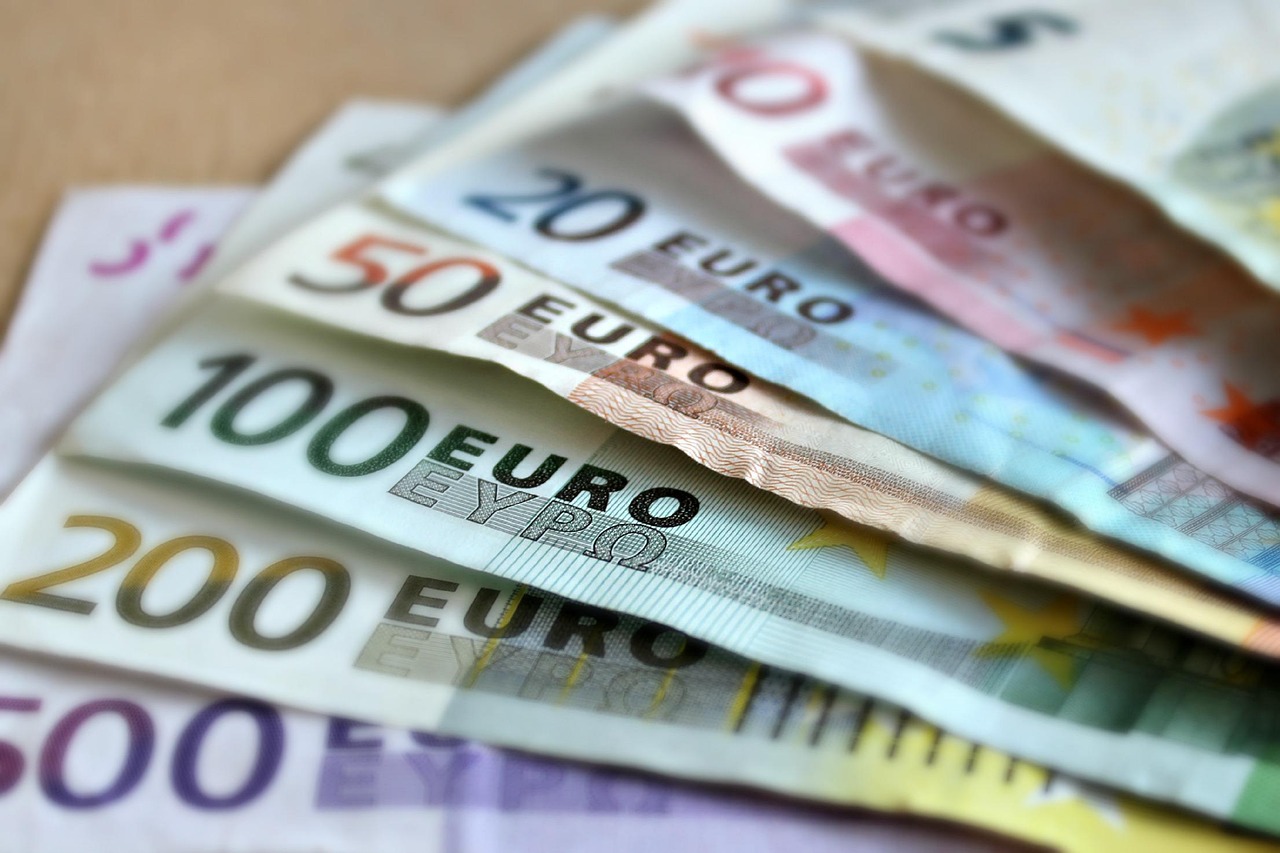
Italy uses the Euro (€). Banknotes come in denominations of 5, 10, 20, 50, 100, 200, and 500 euros. Coins come in 1 and 2 euro denominations, plus 1, 2, 5, 10, 20, and 50 cent coins.
Exchange Before You Travel
Exchanging currency in Italy can involve high fees, so converting what you need before departure at a local bank is the safest and most cost-effective approach. Most banks treat the Euro as a major currency — using internet banking or a mobile app often gives you a preferential rate.
Airport Exchange
Marco Polo Airport (VCE) has several exchange counters. While convenient on arrival, rates are typically unfavourable and fees high. Use airport exchange only for emergencies.
Local Exchange Offices in Venice
Money changers (Cambio) are easy to find near major tourist areas in Venice. Always check the exchange rate and any fees clearly before proceeding, as commissions can be significant.
ATM Withdrawals
International-branded ATMs (Visa, Mastercard) are widely available throughout Venice. Withdrawing euros directly from a local ATM can sometimes be the most cost-effective method — but since ATMs typically charge a fee per transaction, it is more economical to withdraw larger amounts at once.
For multi-currency travel cards (such as Wise), fee-free withdrawals are available at Banca Monte dei Paschi di Siena, BNP Paribas, and Poste Italiane ATMs.
Card Payments
Credit cards (Visa, Mastercard, Amex) are accepted at most shops, restaurants, and hotels. Smaller shops and street vendors may be cash-only — always carry some cash as a backup.