
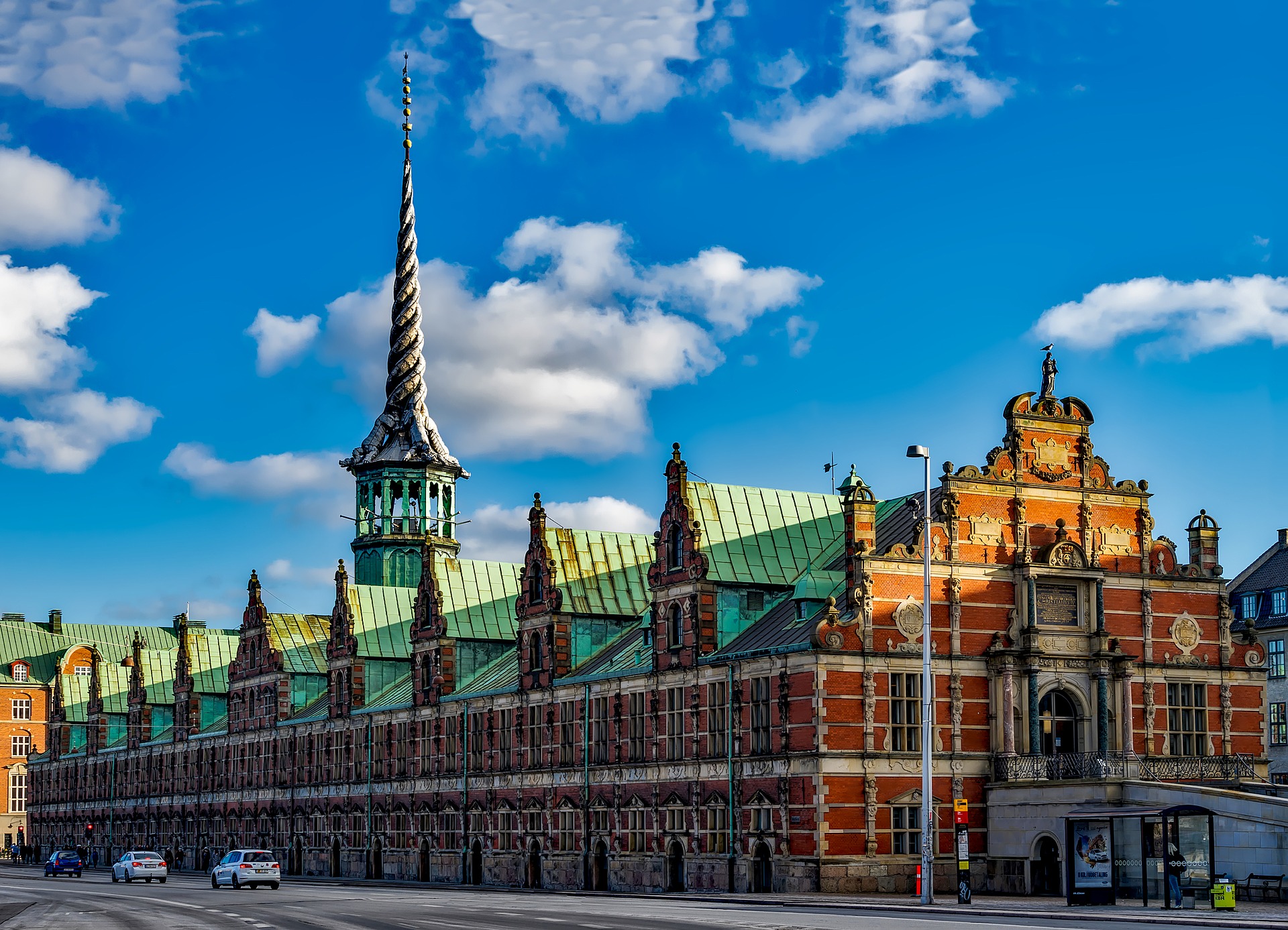
Copenhagen, the capital of Denmark, is a captivating city where quintessential Nordic sensibility meets contemporary sophistication. Beautiful architecture, picturesque canals, and a vibrant cycling culture come together to offer travellers an experience unlike any other.
Copenhagen is celebrated not just as a tourist destination, but as one of the world’s highest quality-of-life cities — a place deeply committed to eco-friendly urban design and sustainable living. A concentration of Michelin-starred restaurants, trendy cafés, and world-renowned design brands makes it a paradise for food lovers and shoppers alike. Open, welcoming, and effortlessly cool, Copenhagen captivates from the very first step.
Seasonal Weather & Best Time to Visit
Many people picture Scandinavia as cold, dark, and snow-covered — but Copenhagen’s coastal location means it actually enjoys a relatively mild climate. A maritime air influence keeps summers cool and winters from becoming severely cold.
Spring (March – May)
Spring can be hard to pinpoint in Copenhagen, but it is an excellent time to visit. March remains cool, with the first blooms typically appearing toward the end of the month. Average March temperatures: 0–7°C. From April, temperatures begin to climb to 3–12°C. May is when warmth truly arrives — locals spill out into cafés, streets, and parks to celebrate the end of the long winter with outdoor activities. Average May temperatures: 7–17°C.
Summer (June – August)
Summer average highs hover around 20°C, and around the summer solstice, daylight stretches to approximately 18 hours. On the hottest days, locals swim in the harbour near the port. Concerts and summer festivals are plentiful in June and July. Light rain showers are frequent in July and August, so a waterproof jacket is worth packing. Average temperatures: June 11–20°C, July 13–22°C, August 13–21°C.
Autumn (September – November)
Leaves begin to turn in autumn, and temperatures start dropping from early September. Average September temperatures: 10–18°C; October: 6–13°C; November: 3–8°C, with night temperatures occasionally falling below freezing by mid-month. The city quiets down after summer — locals tend to head straight home after work and spend evenings indoors with friends and family, cooking and talking in true hygge (Danish cosiness) style.
Winter (December – February)
Copenhagen winters are cold but comparatively mild by Nordic standards. Minimum temperatures dip below freezing, though wind chill makes it feel considerably colder. Average temperatures: December 0–5°C, January -1–4°C, February -1–5°C. Days are very short — sunrise is around 8:30 am and sunset around 3:30 pm. Christmas markets spread across the city, lighting up the streets with festive warmth and plenty to see and do.
Best Time to Visit
Most visitors prefer to come between late May and late August, when the weather is warm (around 20°C), days are long, and a rich programme of festivals is in full swing. On the hottest days, free open-air swimming pools near the harbour offer a refreshing escape.
Pre-Travel Checklist
Denmark Visa
Denmark is part of the Schengen Area. Many nationalities can stay for up to 90 days within any 180-day period without a visa — check your country’s specific agreement.
ETIAS (European Travel Information and Authorisation System) is expected to launch in the second half of 2026. Visa-exempt travellers will be required to register before entering Schengen countries. Applications are submitted online with a fee of €20.
On arrival, you may be asked to show: a passport valid for at least 6 months, a return or onward ticket, and a hotel booking confirmation.
Power Outlets
Denmark uses Type C/E/F/K plugs at 230V/50Hz. A universal travel adapter is recommended, as your device’s plug may not be compatible.
SIM Cards
SIM cards can be purchased without a passport at the airport from network operator shops, or at 7-Eleven stores. In the city, look for SIM cards at 7-Eleven, Rema 1000, or Netto convenience stores, or at network operator shops such as Telia, Telenor, Lebara, or Lycamobile.
A 30-day SIM card with 10GB of data costs approximately 99 DKK. Danish SIM cards generally include free roaming across EU countries.
If you prefer an eSIM, this can be purchased and activated online before departure — no waiting at the airport, no physical SIM swap required.
Currency & Money Exchange
Denmark is an EU member but not part of the Eurozone — the currency is the Danish Krone (DKK). Banknotes come in 50, 100, 200, 500, and 1,000 DKK; coins in 1, 2, 5, 10, and 20 DKK.
Card payment is extremely widespread in Copenhagen, and some places only accept cards — it is perfectly feasible to travel without cash. That said, some toilets, market stalls, and flea markets may require cash.
Exchange Offices
Airport exchange counters are convenient but offer poor rates. City-centre exchange offices — concentrated near Copenhagen Central Station and City Hall Square — offer better rates. ATM withdrawals generally offer the best rates of all.
ATM Withdrawals
Withdrawing DKK directly from a bank-branded ATM is recommended. Some ATMs charge a fee of around 30–40 DKK per transaction — withdraw larger amounts at once to minimise costs.
Card Payments
Visa and Mastercard are accepted almost everywhere. Amex and Diners Club may be restricted at some smaller venues. Mobile payments (Apple Pay, Google Pay, etc.) are widely accepted.
Copenhagen Kastrup International Airport (CPH)
Copenhagen Airport is the hub for SAS (Scandinavian Airlines), connecting to major European and worldwide destinations.
Train
From Kastrup to Copenhagen Central Station (Hovedbanegården): 12 minutes, requiring a 3-zone ticket — 36 DKK one-way. Tickets are available from vending machines or ticket counters in Terminal 3.
Metro
Metro Line M2 connects the airport to the city centre. Change at Kongens Nytorv to Line M3 to reach Central Station. The airport metro stop is in Terminal 3, running every 4 minutes (every 15 minutes at night). Fare: 36 DKK one-way.
Bus
Buses run from the airport via Central Station to Nørreport. Service runs 24 hours, every 10–20 minutes. Board at Terminal 2 or 3. Fare: 36 DKK (3-zone).
Taxi
Taxis from the airport to central Copenhagen cost approximately 300–400 DKK. For groups, a private transfer service is a comfortable option from 625 DKK for 3 passengers. Note: Uber is unavailable in Copenhagen; use the Bolt app for ride-hailing, with fares of approximately 250–350 DKK.
Getting to Nearby Cities by Train
Copenhagen is excellently connected by rail to cities across Scandinavia and northern Europe. Trains depart from Copenhagen Central Station (København H).
Book in advance on the DSB official website
| Destination | Journey Time | Approx. Fare |
| Roskilde | 20–25 min | 100 DKK |
| Helsingør | ~45 min | 120 DKK |
| Odense | ~1h 30min | 330 DKK |
| Aarhus | ~3 hours | 430 DKK |
| Malmö, Sweden | ~40 min | 100 DKK |
| Gothenburg, Sweden | ~3h 50min | 500 DKK+ |
| Stockholm, Sweden | ~5h 30min | 700 DKK |
Getting to Nearby Cities by Bus
International buses typically stop near Central Station; domestic buses mainly depart from Toftegårds Plads.
| Destination | Journey Time | Operator | Departure Point | Fare |
| Roskilde | ~40–50 min | Movia | Near Central Station | 30–60 DKK |
| Helsingør | ~1h 30min | FlixBus | Near Central Station | 80–120 DKK |
| Odense | ~2h 30min | FlixBus / Kombardo Expressen | Ingerslevsgade Terminal | 100–160 DKK |
| Aarhus | ~4 hours | FlixBus / Kombardo Expressen | Near Central Station | 150–250 DKK |
| Malmö | ~60–75 min | FlixBus | Ingerslevsgade Terminal | 60–100 DKK |
| Gothenburg | ~4h 30min–5h | FlixBus | Ingerslevsgade Terminal | 150–280 DKK |
| Stockholm | ~9h 30min–10h | FlixBus | Ingerslevsgade Terminal | 250–500 DKK |
Getting Around Copenhagen
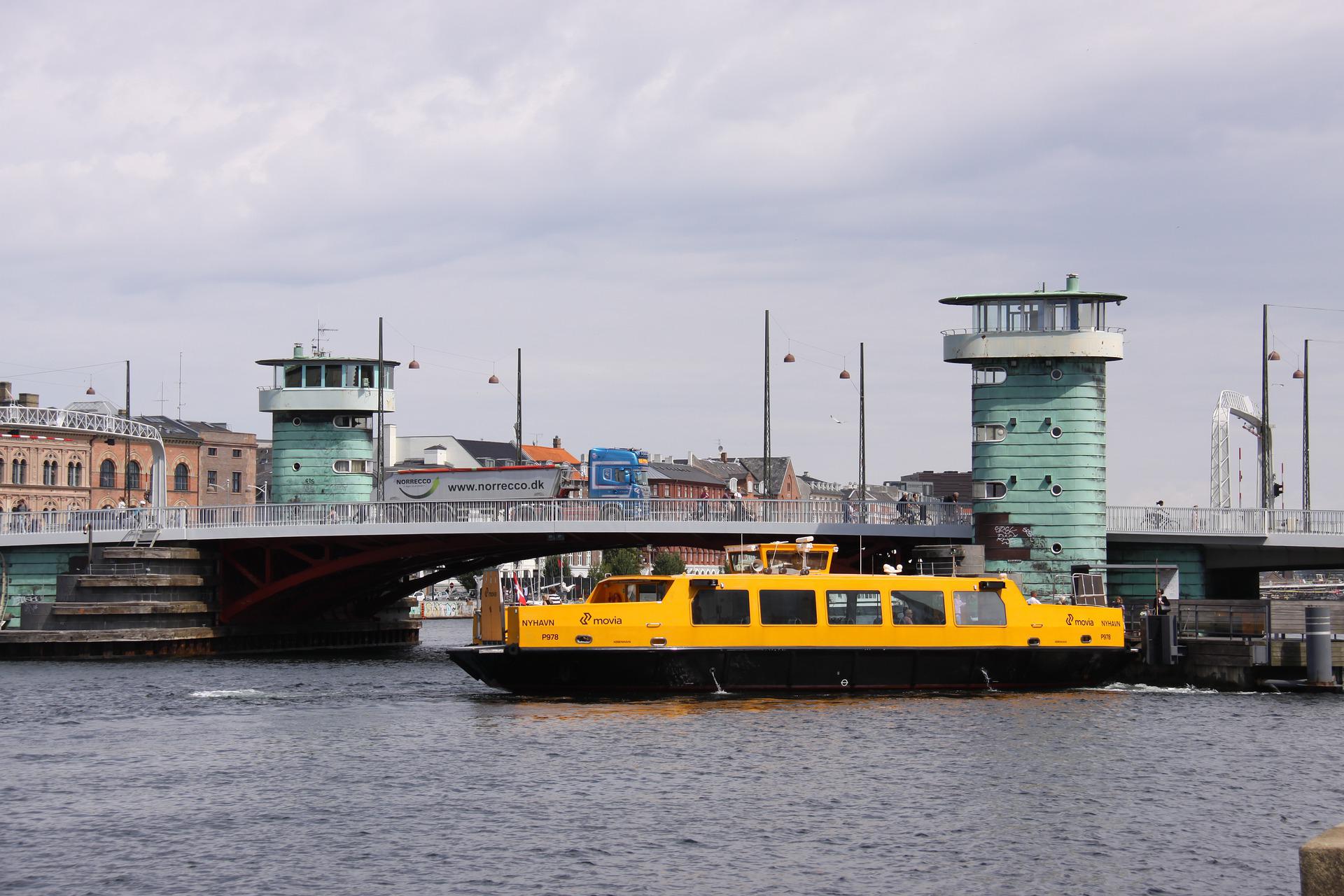
Copenhagen has two main transport hubs: Central Station (København H) — hub for S-trains, intercity trains, and buses — and Nørreport Station — hub for S-trains, Metro, regional trains, and buses.
Public Transport Tickets
Fares are calculated by zone. A 2-zone ticket allows unlimited transfers between trains, metro, and buses within one hour. Tickets can be purchased from ticket offices, vending machines, bus drivers, or via smartphone apps.
For infrequent use, a single ticket is best. For heavier use, the City Pass (unlimited travel by zone) is worth considering — available in Small, Large, West, South, and X-Large zones. The Copenhagen Card includes unlimited public transport plus free entry to over 89 attractions and museums.
Locals typically use the Rejsekort rechargeable travel card (80 DKK to purchase; requires a Danish address). It allows transfers and offers lower per-journey fares.
| Ticket Type | Price |
| Single ride (up to 2 zones) | 24 DKK |
| City Pass Small (unlimited, up to 4 zones) – 1/2/3/5 days | 100/160/220/340 DKK |
| Copenhagen Card 24/48/72/96/120 hours | 589/859/1,039/1,219/1,419 DKK |
S-Train (S-Tog)
Similar to Germany’s S-Bahn — clean, modern, with free Wi-Fi. Trains run from early morning to late night, every 10 minutes during the day and every 20 minutes during early mornings and late nights.
Metro
The Copenhagen Metro runs from Vanløse through the city centre, splitting toward Ørestad and the airport. Trains run every 4 minutes (every 15 minutes at night). Trains are driverless — doors close on a fixed schedule regardless of whether all waiting passengers have boarded.
Bus
A comprehensive and efficient bus network supplements the rail system. Key bus types:
- A Bus: High-frequency buses forming the backbone of the network
- S Bus: Express services
- E Bus: Peak-hour express routes
- N Bus: Night network (10 lines, running 01:00–05:00, more frequently on weekends)
- 11A Bus: Tourist-friendly circular route through the city centre, stopping at major attractions
Real-time next-bus displays are available at most stops. Plan your journey online.
Bicycle
The fastest and most enjoyable way to get around Copenhagen. Around 40% of residents cycle daily, and most major roads have dedicated cycle lanes. Rent from Bike Copenhagen, Baisikeli, or Rent a Bike Copenhagen.
- Bicycle rental: 100 DKK (6 hours) / 125 DKK (24 hours)
Taxi
Taxis are available throughout the city, typically using premium Mercedes or BMW vehicles. Demand is high on Friday and Saturday nights. Ride-sharing services such as Uber have not operated in Copenhagen since 2017; Bolt is the main app-based alternative.
| Fare Type | Daytime | Night |
| Base fare | 39 DKK | 49 DKK |
| Per km | 11 DKK | 14.70 DKK |
| Waiting per hour | 600 DKK | 690 DKK |
| City (3/5/10 km) | 72–93 / 94–123 / 149–196 DKK | Higher |
Accommodation: Costs & Recommendations
Copenhagen hotels are expensive year-round, reaching their peak between mid-June and late August and during the Christmas holiday period. The off-season runs from mid-January to March, when discounted rates are available. July and August bookings fill up fast — reserve as early as possible for summer visits.
| Accommodation Type | Off-Season | Peak Season | Notes |
| Hostel dorm | €9–23 | €14–40 | Central / weekend stays may cost more |
| 2-star hotel | €17–45 | €28–74 | Varies significantly by location and booking timing |
| 3-star hotel | €28–68 | €45–102 | Major city-centre properties tend toward the higher end |
| 4-star hotel | €51–114 | €85–199 | Premium locations and public holidays can exceed upper range |
| 5-star hotel | €102–228 | €171–398+ | Peak season, events, and prime locations can rise significantly |
Romantic Luxury Hotels (Couples / Honeymoon)
- Nimb Hotel
- NH Collection Copenhagen
- Hotel Sanders
- 71 Nyhavn Hotel
- Radisson Collection Royal Hotel, Copenhagen
Family Hotels & Apartments
- Best Western Hotel Hebron
- Adina Apartment Hotel Copenhagen
- Moxy Copenhagen Sydhavnen
- The Citadel Apartments – Into This Place
Budget-Friendly Hotels
- Cabinn City
- Annex Copenhagen
- Wakeup Copenhagen – Carsten Niebuhrs Gade
- City Hotel Nebo
- ProfilHotels Richmond
Backpacker Hostels
Top Attractions & Recommended Tours
Copenhagen’s highlights include world-class art galleries, museums, historic architecture, and distinctive cultural landmarks. Some museums offer free admission on Wednesdays. Copenhagen is also celebrated for design — visit the Danish Design Centre in Indre By and the Design Museum Denmark for inspiring collections.
If you plan to visit multiple attractions, the Copenhagen Card is excellent value: free entry to 89 attractions and museums plus unlimited public transport included.
Nyhavn (New Harbour)
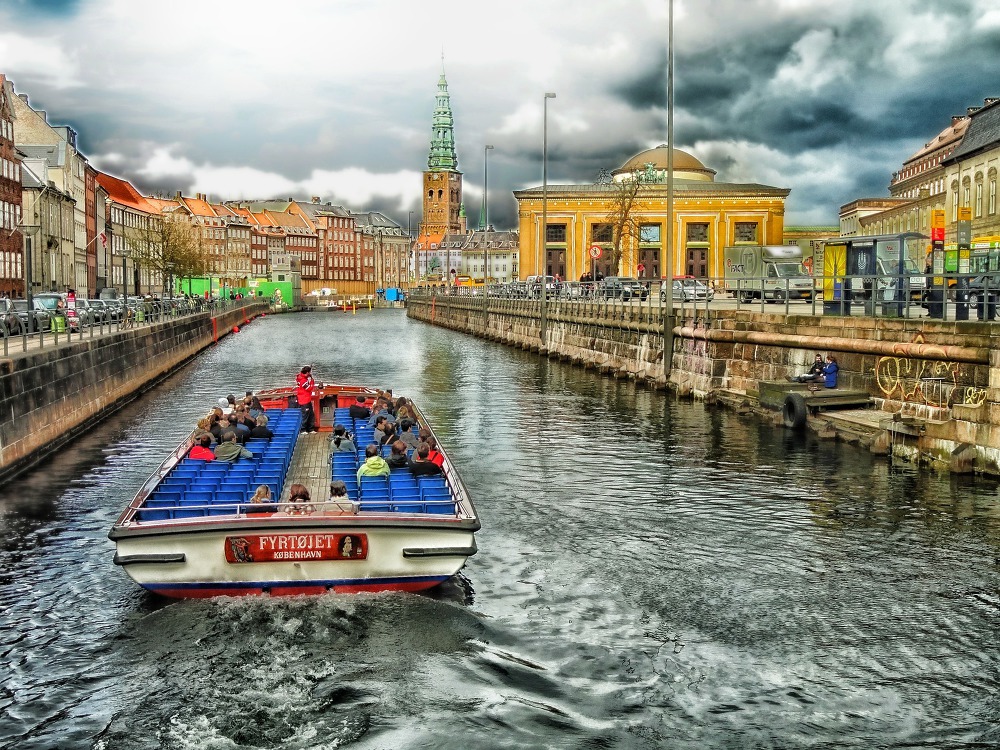
The city’s most iconic postcard image — a row of colourful 17th-century townhouses lining a picturesque canal. Hans Christian Andersen once lived in this neighbourhood. A perfect spot for photos, canal cruises, and leisurely meals at waterfront restaurants and cafés.
Tivoli Gardens
The second-oldest amusement park in the world, opened in 1843. Rollercoasters, live performances, beautifully lit gardens, and a magical atmosphere await — especially enchanting after dark when the illuminations come alive.
The Little Mermaid
The famous bronze statue inspired by Hans Christian Andersen’s beloved fairy tale — one of Denmark’s most iconic symbols. Visit early in the morning for a quieter, more atmospheric experience.
Rosenborg Castle
A Renaissance castle housing the Danish Royal Family’s crown jewels and royal treasures, set within beautiful formal gardens perfect for a stroll.
Amalienborg Palace
The actual residence of the Danish Royal Family, consisting of four identical palaces arranged around an octagonal courtyard. The changing of the guard takes place daily at noon.
Freetown Christiania
A unique self-governing community established in 1971, offering a fascinating window into an alternative way of life — street art, free-spirited culture, and a distinctly unconventional atmosphere.
SMK – National Gallery of Denmark
Denmark’s largest art museum, housing collections spanning from the Renaissance to contemporary art across Danish and international works.
Rundetårn (Round Tower)
Built in 1642, the oldest functioning observatory in Europe. Walk up its spiral ramp — no stairs — for sweeping views across Copenhagen’s rooftops and skyline.
Recommended Tours
| Tour | Price |
| Hop-On Hop-Off Bus Tour | 224 DKK |
| Copenhagen Highlights Bike Tour | 399 DKK |
| Copenhagen City Tour Bus & Boat Pass | 339 DKK |
| Copenhagen Bar Crawl | 300 DKK |
| Copenhagen Segway Cruise | 426 DKK |
| Copenhagen Sightseeing Bus & Boat Tour | 339 DKK |
Suggested Itinerary
Day 1: Nyhavn → Canal cruise → Strøget pedestrian street → Evening city lights
Day 2: Amalienborg Palace → The Little Mermaid → Rosenborg Castle or National Gallery (SMK)
Day 3: Tivoli Gardens → Freetown Christiania or Christianshavn → Wrap up at a food market
Must-Try Foods
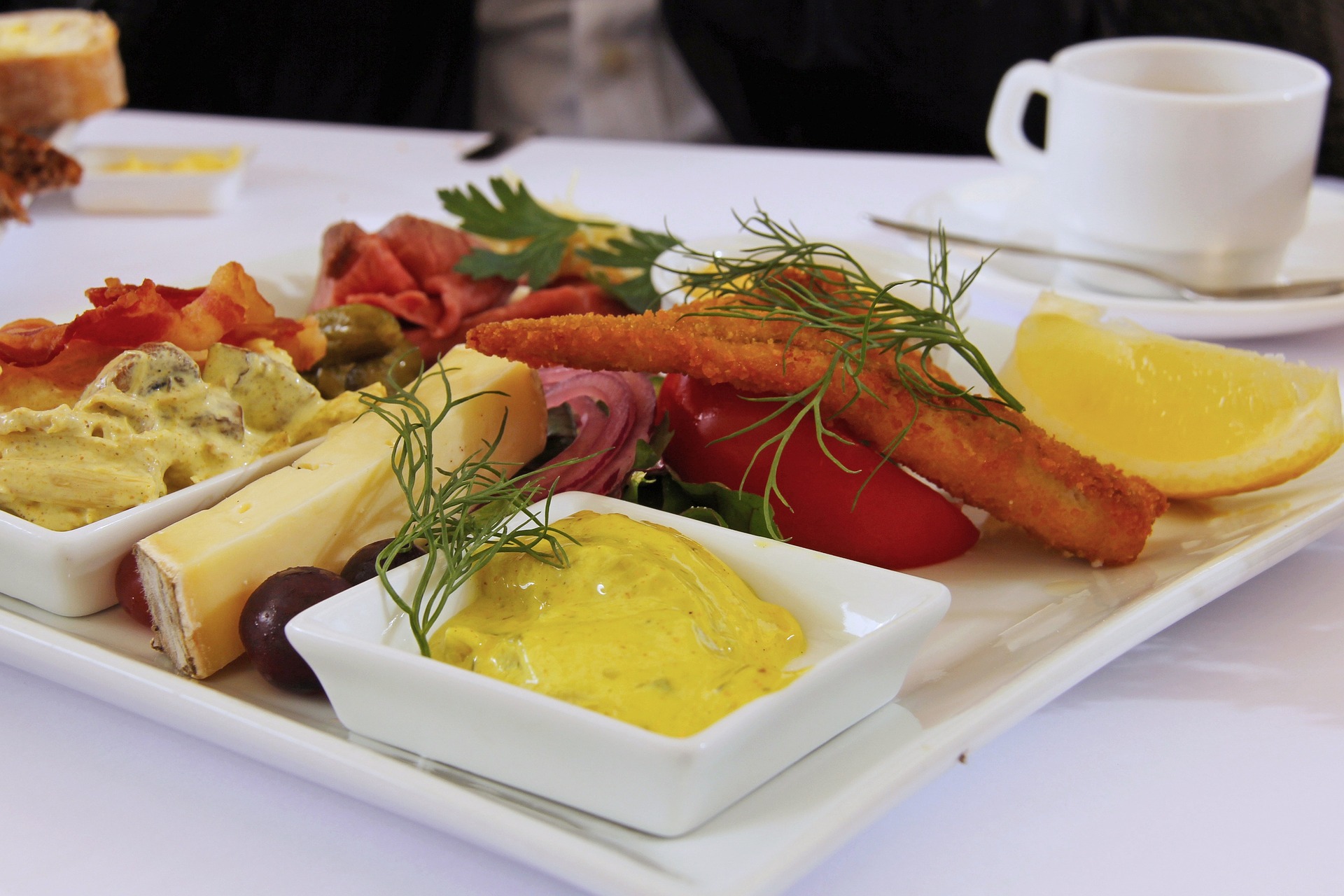
Copenhagen’s food scene is built around fresh, locally sourced ingredients, nature-friendly cooking methods, and regional specialities. Seafood plays a central role.
Breakfast
Wienerbrød (Danish Pastry) — Flaky, buttery, and delicious. The real thing, made fresh daily at local bakeries (bageri). 25–40 DKK
Rugbrød (Rye Bread) — Dense, dark sourdough rye bread with butter or cheese — a staple of Danish breakfast. 30–50 DKK
Coffee (Kaffe) — Danes take their coffee seriously. 35–50 DKK
Scrambled Eggs & Bacon — 80–120 DKK
Avocado Toast — A popular café option. 90–140 DKK
Cheese & Ham Platter — 100–150 DKK
Lunch
Danes typically eat a light lunch — often an open-faced sandwich (smørrebrød) or a simple hot dog.
Smørrebrød (Open-Faced Sandwiches) — Rye bread topped with carefully arranged ingredients. A true Danish institution.
- Herring Smørrebrød: 90–140 DKK
- Roast Beef Smørrebrød: 100–150 DKK
- Prawn & Egg Smørrebrød: 110–160 DKK
Danish Hot Dog (Pølsevogn) — From the iconic red sausage carts found throughout the city. 35–50 DKK
Fiskefrikadeller (Danish Fish Cakes) — Pan-fried fish cakes, a beloved Danish classic. 100–150 DKK
Dinner
Danish dinners tend to be more substantial — meat dishes, seafood, and traditional home-style cooking.
Stegt Flæsk — Denmark’s national dish: crispy pan-fried streaky pork belly served with parsley sauce and potatoes. 140–200 DKK
Laks Steak (Salmon Steak) — Fresh Danish salmon, simply and perfectly prepared. 150–250 DKK
Frikadeller (Danish Meatballs) — Pan-fried pork and veal meatballs, often served with potatoes and gravy. 120–180 DKK
Seasonal Vegetable & Seafood Dishes — The cornerstone of New Nordic cuisine. 250–500 DKK
Dry-Aged Steak — Premium beef, aged for depth of flavour. 300–600 DKK
Wine Pairing Tasting Menu — A full evening at a quality restaurant. 500–1,000 DKK
Daily Budget Estimates
Solo Backpacker – ~525–990 DKK/day
| Item | Cost (DKK) | Notes |
| Accommodation | 260–370 | Hostel dormitory; city-centre stays cost more |
| Breakfast | 15–45 | Bread, coffee, yoghurt, simple café breakfast |
| Lunch | 70–140 | Hot dog, sandwich, kebab, food hall |
| Dinner | 100–180 | Casual restaurant or simple local meal |
| Transport | 20–90 | Minimal if on foot; City Pass or bike rental is efficient |
| Sightseeing | 40–120 | Free walks keep costs low; add museums/Tivoli to increase |
| Drinks/Snacks | 20–45 | Coffee, water, a small dessert |
| Total | ~525–990 |
Value Couple – ~1,050–1,980 DKK/day (total for 2)
| Item | 2-Person Total (DKK) | Notes |
| Accommodation | 520–740 | Hostel dormitory per night |
| Breakfast | 30–90 | Bread, coffee, yoghurt, café breakfast |
| Lunch | 140–280 | Sandwiches, hot dogs, food hall |
| Dinner | 200–360 | Casual restaurant or local meal |
| Transport | 40–180 | Low if mostly walking; rises with public transport use |
| Sightseeing | 80–240 | Free walks keep it low; paid attractions increase cost |
| Drinks/Snacks | 40–90 | Coffee, water, dessert |
| Total | ~1,050–1,980 |