
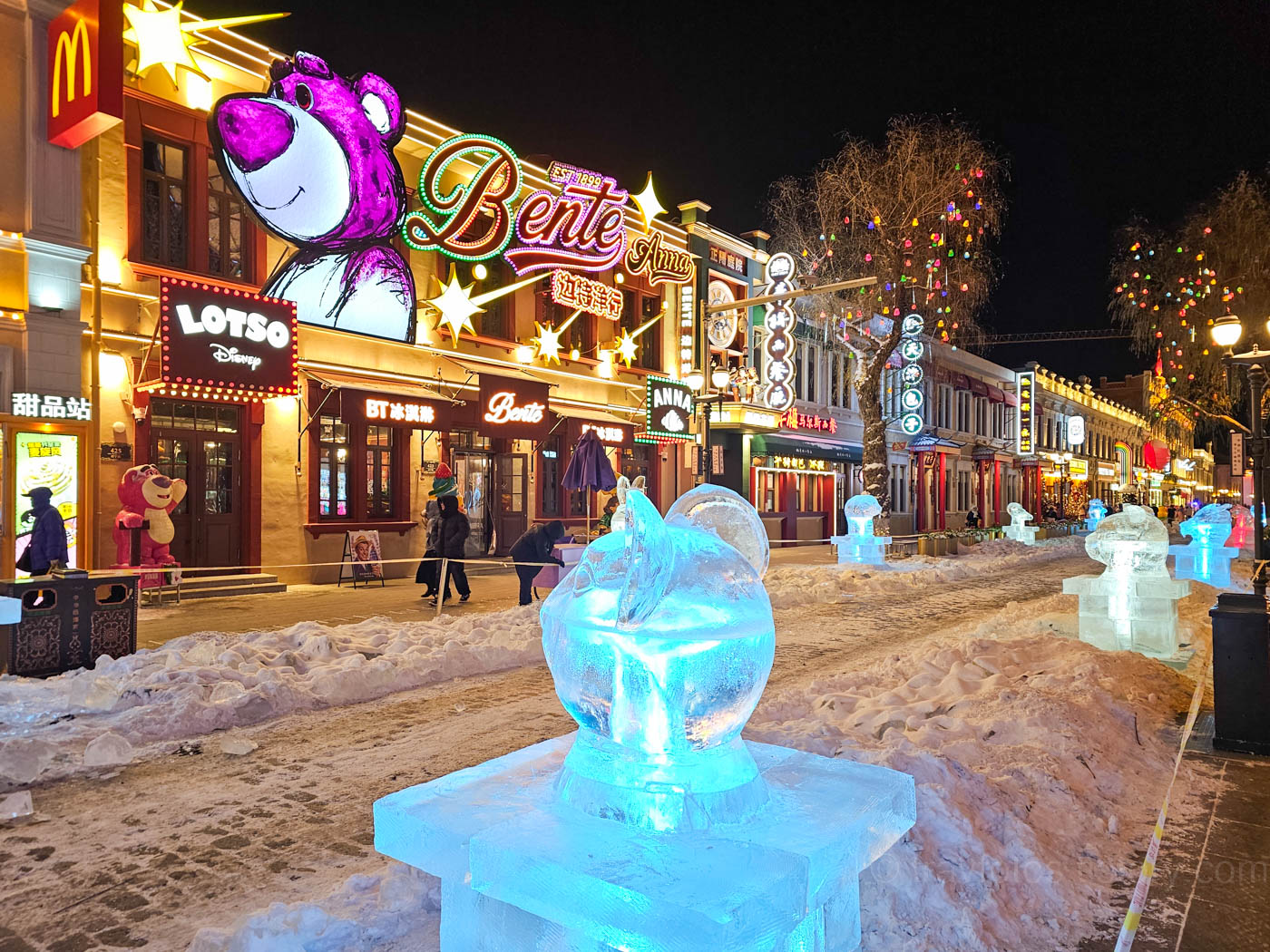
Understanding Harbin’s Climate
Harbin features a fascinating temperate monsoon climate with dramatically distinct four seasons. The city is globally renowned as a premier winter destination, famous for its extreme cold winters where temperatures plummet to -25℃ to -13℃. Summers are mild with concentrated rainfall, while spring and autumn offer refreshing and comfortable weather ideal for sightseeing and outdoor adventures.
Seasonal Weather Breakdown
Spring (April-May): The Season of Renewal
Harbin’s spring is transformative, with temperatures rising sharply from -2℃ to 20℃. Early April still carries winter’s bite, but by late May, genuine warmth arrives. This is the thaw season—as riverside ice melts, flowers burst into bloom throughout the city, creating breathtaking natural scenery. Rainfall is minimal (around 20mm in April and 50mm in May), and with increasing sunshine hours, spring is perfect for walking tours and outdoor exploration. A light jacket paired with long-sleeved clothing is all you need, and best of all, accommodation rates are significantly lower due to fewer tourists.
Summer (June-August): The Rainy Season
Summer in Harbin brings mild-to-warm temperatures averaging 13℃-28℃, but it’s the city’s rainy season with monthly precipitation ranging from 80-200mm. Humidity is notably high, and surprisingly, mornings can feel chilly even in midsummer, making a light jacket practical for early hours. Be prepared for unpredictable weather with umbrellas and rain jackets as essentials, and don’t forget sun protection—sunglasses and hats are must-haves during this season.
Autumn (September-October): Picture-Perfect Weather
Autumn in Harbin is spectacular, though brief. September features pleasant temperatures between 8℃-20℃, making it ideal for outdoor sightseeing. October sees a sharp temperature drop to -1℃-11℃, but the transition period is magical—autumn foliage reaches peak beauty while early winter snow occasionally appears. Rainfall tapers off dramatically (around 40mm in September, 10mm in October), abundant sunshine makes photography exceptional, and a light down jacket paired with a scarf provides perfect comfort.
Winter (November-March): The Extreme Cold Season
Winter in Harbin is intense and beautiful. November starts the season with temperatures of -13℃ to -3℃ and increasing snowfall. December through February plunges into extreme cold ranging from -25℃ to -13℃, with January being the coldest month. From December onward, the spectacular International Ice and Snow Festival transforms the city into a magical winter wonderland. Strong winds and low humidity create dry, biting cold requiring meticulous protection. You’ll need thermal underwear, insulated boots, hand warmers, and careful attention to prevent frostbite and camera battery failure.
The Best Times to Visit Harbin
Peak Season: Mid-January to Early February
The absolute best time to experience Harbin is mid-January through early February. During this magical window, the famous Harbin Ice and Snow World reaches its peak magnificence—towering ice sculptures catch the light at their most stunning, and the festival features non-stop performances and celebrations. The season runs from late December through late February annually, but mid-January offers the perfect balance of fully completed attractions and manageable crowds compared to the December holiday rush.
Budget-Friendly Alternative: September-October
For travelers seeking excellent weather without the extreme cold or peak-season prices, autumn is unbeatable. September delivers comfortable temperatures perfect for exploring on foot, pleasant sunshine for photography, and all major attractions are accessible. October offers bonus surprises—peak autumn colors combined with possible early snow create picture-perfect landscapes. Accommodation prices are roughly half the winter rates, making it ideal for budget-conscious travelers.
First-Time Visitors: May or September
If extreme cold doesn’t appeal to you, May and September offer ideal introductions to Harbin with comfortable weather (8-22℃), accessible attractions, and stable conditions for exploring the city’s culture, cuisine, and history.
Month-by-Month Weather & Packing Guide
January: Extreme Cold & Festival Magic
Weather Snapshot:
January is Harbin’s coldest month with average highs of -14℃ and lows plummeting to -25℃. Strong winds make wind-chill feel 10℃ or colder than the actual temperature. Paradoxically, snowfall is light (around 5mm), creating dry, biting cold. From mid-month, the Harbin Ice and Snow World reaches peak splendor, offering the world’s most spectacular winter festival experience.
What to Pack:
- 2-3 layers of thermal underwear with fleece lining
- Thermal leggings or heat-retaining tights worn under windproof ski pants
- Insulated, waterproof winter boots with heated insoles
- Thick goose-down parka or long quilted coat
- Thermal hat covering ears completely
- Touch-screen compatible winter gloves (bring a spare pair!)
- Wool scarf
- Hand warmers (place on crown, torso, and feet)
- Sunglasses (reflection off ice is intense)
- Insulated case for camera batteries
February: Still Extreme, Slightly More Daylight
Weather Snapshot:
February remains brutally cold with highs around -10℃ and lows at -23℃. While daylight gradually lengthens and sunlight strengthens slightly, temperatures remain dangerous. Precipitation stays light (around 5mm), but ground snow becomes compacted, creating treacherous icy conditions everywhere. Tourist numbers drop compared to January, offering a less-crowded festival experience.
What to Pack:
- Same extreme cold preparations as January
- Sunglasses are absolutely essential (reflection off icy surfaces is blinding)
- Check winter boot soles for adequate grip
- Consider knee pads or wrist guards given slippery conditions
- Multiple hand warmers to prevent frostbite
- Extra camera batteries (cold drains them rapidly)
March: The Thaw Begins
Weather Snapshot:
March marks the beginning of spring thaw as temperatures climb from -13℃ to 0℃. Strengthening sunlight causes ground snow to melt, and the winter landscape gradually fades. Precipitation increases slightly (around 13mm), with occasional rain appearing. Winter festivals conclude, but winter scenery remains photogenic throughout March.
What to Pack:
- Thermal underwear and leggings (still necessary but less intense)
- Medium-weight down jacket or fleece sweater (instead of heavy goose-down)
- Insulated winter boots (though regular shoes work in some areas)
- Hat, scarf, and gloves (wear times decrease significantly)
- Lighter layers for temperature variation
April: Spring Arrives with Challenges
Weather Snapshot:
April experiences dramatic warming to -2℃-10℃, but with extreme daily temperature swings. This is true thaw season—riverside ice melts away entirely and winter landscapes vanish completely. Rainfall increases (around 18-20mm) with more frequent rain. Spring flowers bloom, though Harbin’s spring is remarkably brief, transitioning to early summer by mid-May.
What to Pack:
- Light down jacket or windbreaker
- Layered clothing (essential for temperature swings)
- Cotton pants or jeans over thin leggings
- Regular athletic shoes or walking shoes
- Umbrella and lightweight rain jacket
- Optional: light scarf and hat
May: Perfect Spring Weather
Weather Snapshot:
May brings perfect spring conditions with temperatures rising to 0℃-20℃ and comfortable daylight. Rainfall increases to 104mm as spring precipitation peaks, but sunshine remains abundant. Cherry blossoms and azaleas bloom throughout the city in a riot of color. By late May, summer weather begins, making Harbin’s spring season incredibly short—just six weeks total.
What to Pack:
- Light jacket or long-sleeved shirt
- Short-sleeved shirts (daytime can be warm enough)
- Cotton pants or jeans
- Comfortable sneakers or athletic shoes
- Umbrella and lightweight rain jacket
- Sunglasses and sun hat
- Sunscreen for longer outdoor days
June: Summer Begins, Rain Increases
Weather Snapshot:
June marks summer’s official arrival with temperatures warming to 13℃-22℃. Precipitation jumps significantly to 298mm as the rainy season intensifies. Humidity rises noticeably. Due to Harbin’s far northern latitude (45° N), nights are surprisingly short, with twilight visible even at midnight.
What to Pack:
- T-shirt plus thin long-sleeved shirt or cardigan
- Shorts or lightweight long pants
- Regular athletic shoes or sandals
- Essential: umbrella (heavy rainfall expected)
- Sunscreen, sunglasses, and hat
- Lightweight rain jacket
July: Peak Summer Heat & Humidity
Weather Snapshot:
July is Harbin’s warmest month with temperatures reaching 17℃-26℃ and high humidity. Rainfall averages 315mm—the wettest month. Surprisingly, early morning temperatures can be cool, making light jackets useful for pre-dawn activities. Due to extreme northern latitude, daylight extends past 10 PM, creating long, bright summer evenings.
What to Pack:
- T-shirt plus lightweight jacket (for early morning and air-conditioned spaces)
- Shorts or light pants
- Athletic shoes, sandals, or flip-flops
- Umbrella and sunscreen (non-negotiable)
- Sunglasses
- Breathable, moisture-wicking clothing to combat humidity
August: Late Summer Transition
Weather Snapshot:
August mirrors July’s warmth (14℃-26℃) but temperatures drop noticeably toward month-end. Rainfall decreases to 241mm compared to July, though weather remains unpredictable. From mid-August onward, early autumn atmosphere begins emerging—it’s time to start thinking about cooler clothing.
What to Pack:
- First half (Aug 1-15): Mirror July’s packing
- Second half (Aug 16-31): Add thin long-sleeved shirts and lightweight sweaters
- Long pants useful for evenings
- Umbrella (still essential)
- Light scarf or jacket to transition into fall
September: Autumn’s Arrival
Weather Snapshot:
September is a hidden gem offering comfortable temperatures (8℃-20℃) and autumn’s arrival. Rainfall drops dramatically to 33mm, weather stabilizes beautifully, and outdoor activities become ideal again. Morning temperatures hover around 8℃ (cool but refreshing), while afternoons warm significantly, creating large daily variations.
What to Pack:
- Light down jacket or fleece plus long-sleeved shirt
- Layering is critical for day-night temperature differences
- Cotton pants or jeans over stockings
- Regular athletic shoes
- Light scarf and thin gloves to pack
- Camera and hiking boots (perfect photography season)
October: Dramatic Transition Month
Weather Snapshot:
October brings the most dramatic temperature shifts of the year, ranging from -1℃ to 11℃. Early October (1-15th) feels like autumn; mid-month transitions sharply to early winter. Rainfall is minimal (32mm) with early snow possible. Peak autumn foliage creates stunning golden and crimson landscapes throughout the city.
What to Pack:
- Early October: Light down padding plus scarf
- Mid-October: Add thermal leggings and windproof jacket
- Late October: Nearly complete winter clothing (consider transitioning to winter boots)
- Waterproof footwear (first snow possible)
- Flexible layering approach essential
November: Winter Approaches
Weather Snapshot:
November officially marks winter’s arrival with temperatures dropping to -13℃ to -3℃ and significant snowfall (43mm). By mid-November, preparations for the Harbin Ice and Snow World opening begin visibly throughout the city. Daylight shortens dramatically with sunset around 4:30 PM.
What to Pack:
- Thermal underwear and leggings
- Insulated winter boots
- Goose-down jacket
- Thermal hat, gloves, and scarf
- Hand warmers
- Spare camera batteries
- From mid-November: January-level cold-weather preparations
December: Festival Season Begins
Weather Snapshot:
December plunges into extreme winter with temperatures of -18℃ to -8℃ and continuous snowfall. While precipitation is low (4mm), the Harbin Ice and Snow World opens, launching the spectacular winter festival season. From Christmas Eve (Dec 24) through January, massive celebrations attract tourists worldwide. Daylight reaches its minimum at only 9 hours with both early sunrise and sunset.
What to Pack:
- 2-3 thermal underwear sets
- Insulated winter boots
- Thick goose-down parka
- Thermal hat, gloves, and scarf
- Multiple hand warmers
- Spare camera batteries (critical)
- Emergency cold-weather supplies
Complete Monthly Climate Data
| Month | Avg. High | Avg. Low | Rainfall | Snowfall | Humidity | Sunrise | Sunset |
| January | -14℃ | -25℃ | 5.8mm | 0mm | 78% | 07:09 | 16:15 |
| February | -10℃ | -23℃ | 6.7mm | 7.2mm | 75% | 06:38 | 16:56 |
| March | 0℃ | -13℃ | 13.2mm | 31.1mm | 62% | 06:00 | 17:45 |
| April | 10℃ | -2℃ | 18.5mm | 0mm | 49% | 05:10 | 18:45 |
| May | 19℃ | 8℃ | 104.4mm | 0mm | 60% | 04:35 | 19:45 |
| June | 26℃ | 13℃ | 298.4mm | 0mm | 70% | 04:15 | 20:15 |
| July | 28℃ | 18℃ | 315.8mm | 0mm | 72% | 04:45 | 20:00 |
| August | 26℃ | 16℃ | 241.5mm | 0mm | 71% | 05:10 | 19:20 |
| September | 22℃ | 9℃ | 33.3mm | 0mm | 63% | 05:40 | 18:20 |
| October | 12℃ | 0℃ | 32.3mm | 0mm | 59% | 06:10 | 17:15 |
| November | -3℃ | -13℃ | 25.5mm | 43.3mm | 74% | 06:45 | 16:30 |
| December | -8℃ | -18℃ | 4.0mm | 3.6mm | 80% | 07:15 | 16:15 |
Travel Planning Tips
When to Go by Travel Style
- Festival Experience: Visit mid-January through early February for the spectacular Ice and Snow World at its peak. Budget for extreme cold gear and expect crowded attractions.
- Budget Travelers: September offers ideal weather, comfortable temperatures, and affordable accommodation—typically 50% cheaper than winter rates.
- First-Time Visitors: Choose May (spring flowers blooming) or September (autumn colors, pleasant weather) to experience Harbin without extreme temperature shock.
- Active Adventurers: September-October offers the best hiking, photography, and outdoor exploration conditions.
Essential Packing Strategy
- Winter (Dec-Feb): Thermal layering, insulated boots, hand warmers, sunglasses, camera battery backup
- Shoulder Seasons (April-May, Sept-Oct): Layered clothing, umbrella, sturdy shoes
- Summer (June-Aug): Lightweight clothing, umbrella, sunscreen, rain jacket
Pro Tips for Weather Preparation
- Layer strategically: Multiple thin layers beat one thick layer for flexibility
- Winter protection: Hand warmers and sunglasses are non-negotiable in winter
- Camera care: Store batteries in insulated cases; extreme cold drains them rapidly
- Footwear matters: Quality, slip-resistant shoes prevent falls on icy surfaces
- Timing matters: Avoid Chinese New Year (lunar calendar) when prices surge 3-5x
Final Thoughts
Harbin rewards visitors with unforgettable seasonal beauty—whether it’s the otherworldly ice palaces of winter, the delicate blossoms of spring, the comfortable strolls of autumn, or the refreshing breezes of early summer. Choose your season based on your comfort level and interests, pack strategically according to this guide, and prepare for an extraordinary Chinese adventure. The city’s extreme climate is part of its charm—embrace it and you’ll discover why travelers worldwide consider Harbin a must-visit destination.