
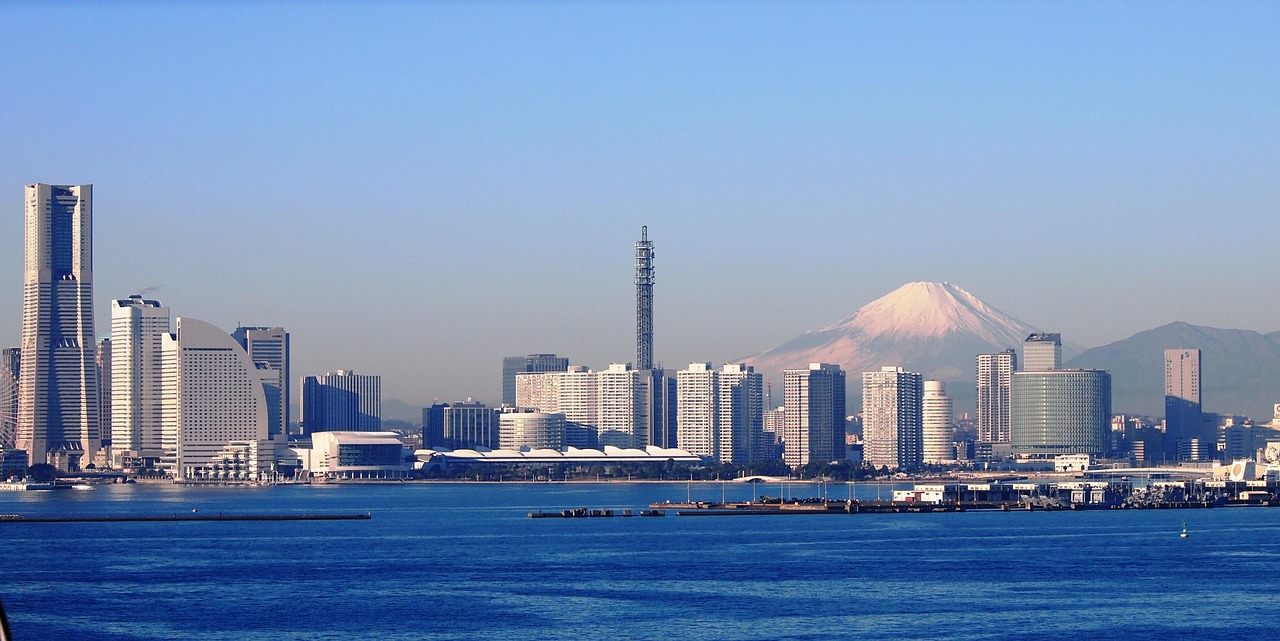
Yokohama is a vibrant port city located in Kanagawa Prefecture, Japan. It enjoys a temperate climate with four distinct seasons, which feels somewhat similar to Korea but is generally milder overall. Annual temperatures range from about 3°C to 30°C, and freezing temperatures are rare.
Yokohama’s Seasonal Weather
Spring (March – May)
Spring in Yokohama sees average low temperatures around 7°C and highs near 18°C — very similar to a Korean spring. From mid-March, cherry blossoms and other flowers bloom early, painting the city in beautiful colors. However, spring rain is more frequent than you might expect, with monthly precipitation reaching around 110mm, so be sure to carry an umbrella or raincoat. The temperature difference between morning and evening can exceed 10°C, making a light outer layer essential.
Summer (June – August)
Summer is short but hot and humid, with average lows around 23°C and highs exceeding 30°C. Unlike Korea, there is no clearly defined rainy season, but overcast days are common, monthly rainfall exceeds 130mm, and high humidity makes the heat feel more intense. UV rays are also strong during this period, so sunscreen and a hat are must-haves.
Autumn (September – October)
Autumn is actually Yokohama’s wettest season, with monthly precipitation reaching 170mm and rain falling on around 15 days per month. This is effectively the city’s rainy season, and typhoons can affect the area from late September onward — always check the weather forecast before your trip. Temperatures hover between 16°C and 26°C, so it’s still warm, but frequent clouds and rain can make outdoor sightseeing challenging.
Winter (November – February)
Winter lows average 3–5°C and highs reach 10–17°C — about 5–7°C warmer than Korea. Strong winds are rare, temperatures almost never dip below freezing, and snow is uncommon. With dry, sunny days and monthly rainfall of only around 60mm, conditions are quite comfortable for outdoor activities. This is also the season that attracts the most Korean visitors to Yokohama.
Best Time to Visit Yokohama
Spring (March–May) and autumn (October–November) are widely considered the best times to visit, though each season offers its own unique appeal for year-round enjoyment.
Spring (March – May) — Peak Season
Spring is the best season to visit Yokohama. Temperatures range from 10–20°C, and parks and coastal promenades are blanketed in cherry blossoms, filling the city with a cheerful, vibrant atmosphere. Sankeien Garden and the Minato Mirai district are especially popular photo spots during cherry blossom season, and the weather is perfect for outdoor sightseeing and walking. That said, spring showers are frequent, so a compact umbrella is a must.
Summer (June – August) — Festival Season
Summer is hot and humid, but it’s also the season for Yokohama’s signature summer festivals. The large-scale Hanabi Matsuri (fireworks festival) is held every July and August, drawing visitors from across the country and around the world. During the day, it’s best to plan your itinerary around indoor attractions like the Red Brick Warehouse (Aka Renga Soko) rather than prolonged outdoor sightseeing.
Autumn (September – November) — Peak Season
Autumn is another prime time to visit Yokohama. From October onward, the weather becomes pleasantly cool with more clear days, creating ideal conditions for outdoor sightseeing and evening views. In particular, October and November offer stunning views of the Minato Mirai skyline and Mount Fuji on clear days, complemented by colorful autumn foliage across the city. Note that early autumn (September) still brings heavy rainfall and possible typhoons, so keep a close eye on forecasts.
Winter (December – February) — Romantic Season
Winter in Yokohama is much milder than in Korea, with clear and dry days that make outdoor outings enjoyable. The beloved Christmas Market at the Red Brick Warehouse creates a festive end-of-year atmosphere, while the dazzling illuminations at Minato Mirai are the highlight of the season. However, as a port city, sea breezes can make temperatures feel colder than they are, so a scarf and gloves are essential.
Monthly Weather & What to Wear
January
January is one of the coldest months in Yokohama, with average lows of 3°C and highs around 10°C. Temperatures rarely drop below freezing, and it’s about 5°C warmer than a typical Korean winter. Monthly rainfall averages around 60mm, with many clear, dry days.
What to Wear: A thick puffer jacket or long coat, knit sweater, scarf, and gloves. Thermal underwear is often not necessary.
February
February mirrors January in terms of temperature, with average lows of 3°C and highs around 10°C. Snowfall is rare and rainfall stays low at around 60mm per month, so outdoor activities are generally unaffected. Light drizzle can occur occasionally, so a compact folding umbrella is handy.
What to Wear: A down jacket or heavy coat, thick knit, scarf, and gloves are essential.
March
March marks the start of spring, with average lows around 7°C and highs near 13°C. A lingering winter chill means it’s still too early to shed the coat, and the temperature gap between day and night can exceed 10°C. Spring rain arrives more frequently than expected, so an umbrella is a must.
What to Wear: A light puffer jacket or trench coat, knit sweater, and full-length trousers. Layering for easy adjustments throughout the day is highly recommended.
April
April brings average highs of around 18°C, ushering in full-on spring weather. Cherry blossoms reach their peak, painting the city in shades of pink and white. During the day, a single light layer is enough, but temperatures drop noticeably in the mornings and evenings.
What to Wear: Layerable spring pieces such as a cardigan, light jacket, or trench coat, plus a folding umbrella.
May
May is mild and pleasant, with average lows around 16°C and highs near 22°C. It can feel warm enough for short sleeves during the day, but rising humidity means the heat can already feel noticeable. Rain falls every two to three days on average, so always have an umbrella on hand.
What to Wear: A short-sleeve T-shirt layered with a thin shirt or cardigan, and a compact umbrella.
June
June sees average highs climbing to around 25°C as both temperature and humidity rise together. Monthly rainfall reaches approximately 140mm with frequent overcast days, requiring some flexibility in your travel plans. Mornings and evenings can still feel cool, so a light outer layer is advisable.
What to Wear: Short sleeves or a thin long-sleeve top with a light jacket, and always carry an umbrella or raincoat.
July
July marks the start of full summer, with average lows of 23°C and highs exceeding 30°C. Heat and humidity combine to push up the discomfort index, and UV radiation is extremely strong during outdoor activities. In recent years, due to climate change, temperatures sometimes exceed 35°C — stay well hydrated.
What to Wear: Breathable short sleeves, shorts, and linen fabrics. A wide-brimmed hat, sunglasses, and sunscreen are non-negotiable.
August
August is the hottest month of the year, with highs regularly topping 30°C and tropical nights becoming common. Short, heavy downpours can occur suddenly, with around 130mm of rain and 10 rainy days per month. The contrast between outdoor heat and indoor air conditioning can be drastic, so carry a light layer for indoor use.
What to Wear: Cooling fabrics for tops and shorts, a portable fan, hat, parasol, and a thin cardigan for air-conditioned spaces.
September
September temperatures sit at average lows of 20°C and highs of 26°C — still warm, but autumn is beginning to creep in. This month is effectively Yokohama’s rainy season, with monthly rainfall averaging 170mm and approximately 15 rainy days. Typhoons are also a possibility, so checking forecasts before your trip is an absolute must.
What to Wear: Short sleeves as a base layer, with a thin long-sleeve shirt or light jacket on top. A sturdy umbrella or raincoat is essential.
October
From October, average highs drop below 20°C and autumn fully sets in. Clear days become more frequent and rainfall decreases, making it one of the most comfortable months for outdoor sightseeing and harbour walks. Temperatures can fall quickly in the mornings and evenings, so layer up accordingly.
What to Wear: Mid-weight autumn pieces such as a knit sweater, denim jacket, or cardigan, with a light scarf.
November
November sees average lows of 5–8°C and highs around 17°C — cool but noticeably milder than an early Korean winter. Low rainfall (around 60mm), dry air, and many sunny days make it a wonderful time to enjoy the night views at Minato Mirai and autumn foliage. Temperature swings can be large, so a coat or thick jacket is a good idea.
What to Wear: A knit or thick sweatshirt under a coat or heavy jacket, a scarf, and light gloves.
December
December brings average temperatures around 8°C, signalling the start of winter. Monthly rainfall stays low at around 60mm, with dry, clear days dominating. The Christmas Market at the Red Brick Warehouse and the stunning illuminations at Minato Mirai make this a wonderful season to embrace Yokohama’s romantic side. Harbour winds can make it feel colder than the thermometer suggests, so bundle up well.
What to Wear: A thick puffer jacket or long coat, heavy knit, scarf, gloves, and warm boots are all recommended.
Yokohama Monthly Climate Data
| Month | Avg. High (°C) | Avg. Low (°C) | Precipitation (mm) | Humidity (%) |
| January | 10 | 2 | 50 | 62 |
| February | 10 | 2 | 78 | 64 |
| March | 13 | 5 | 133 | 68 |
| April | 19 | 10 | 154 | 72 |
| May | 23 | 15 | 146 | 74 |
| June | 25 | 19 | 195 | 82 |
| July | 29 | 22 | 157 | 86 |
| August | 31 | 24 | 149 | 80 |
| September | 27 | 20 | 227 | 79 |
| October | 22 | 14 | 203 | 75 |
| November | 17 | 9 | 107 | 70 |
| December | 12 | 4 | 57 | 64 |