
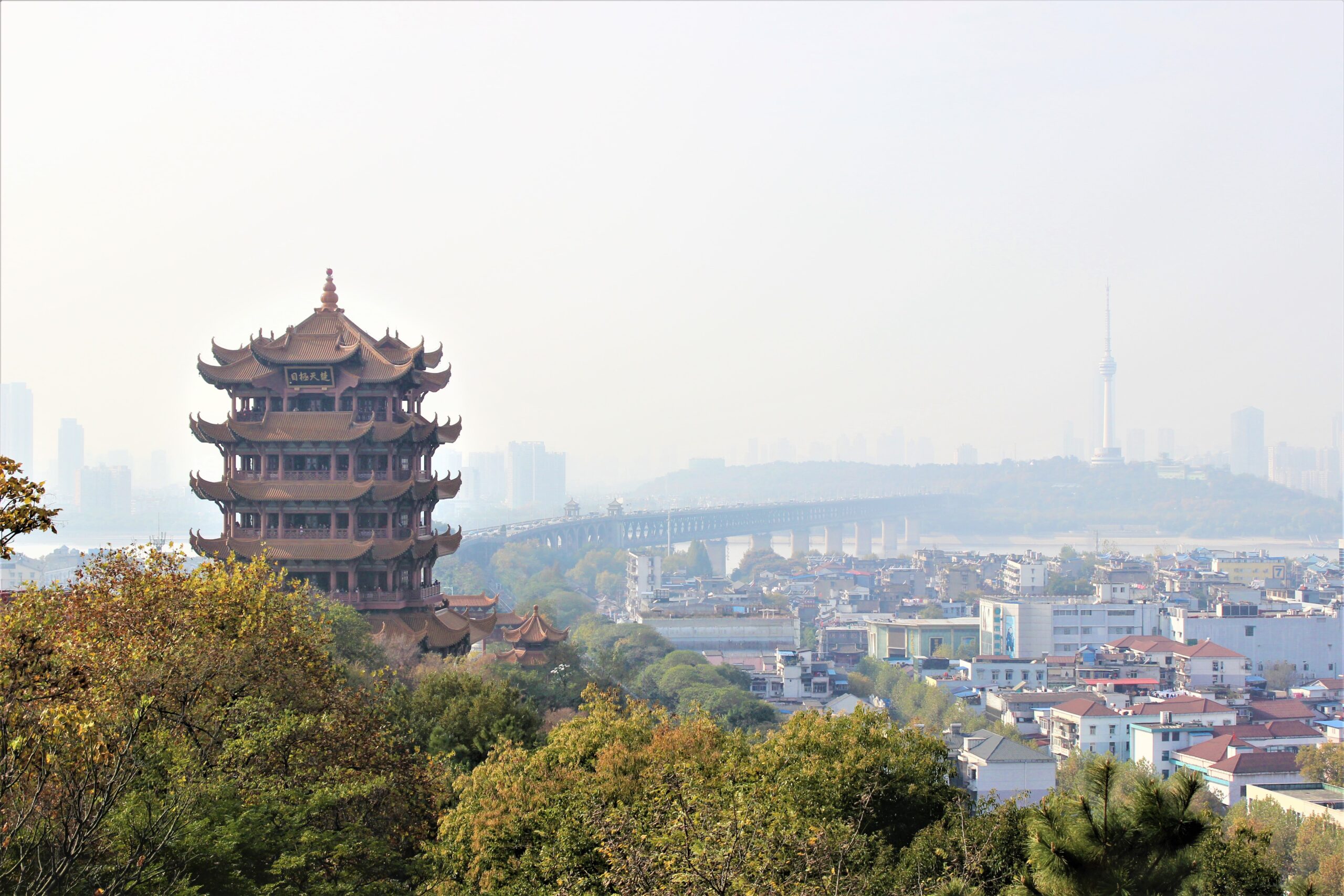
Wuhan has a classic humid subtropical climate with four distinct seasons and very hot, rainy summers.
Summer heat can push daytime highs into the mid‑30s and beyond, which is why Wuhan is often grouped with Chongqing and Nanjing as one of China’s “furnace” cities.
Winters, on the other hand, are damp and chilly, with temperatures hovering around freezing and a strong feeling of cold because of the humidity.
Annual rainfall is relatively high at roughly 1,200–1,400 mm, with a large share of that falling between June and August.
Wuhan Weather by Season
Spring in Wuhan (March–May)
Spring is one of the best times to visit Wuhan, as temperatures steadily climb from the low teens into the high 20s Celsius.
Early spring (March) can still feel quite chilly in the mornings and evenings, while daytime is mild with a noticeable day–night temperature difference.
By April and May, the weather turns warmer and more comfortable, with many pleasantly mild days.
Rainfall gradually increases, but instead of intense summer downpours you’ll mostly see light showers or drizzle.
Humidity is moderate and the air feels soft, making this a great season for outdoor sightseeing and strolls in city parks.
Summer in Wuhan (June–August)
Summer in Wuhan is extremely hot and humid, with average daytime highs in the mid‑30s and heatwave days climbing to around 35–38 ℃.
Monsoon rains bring frequent showers and heavy downpours, and a large share of the city’s annual rainfall is concentrated in these months.
Because of the high humidity, the real-feel temperature is often far higher than what the thermometer shows.
This is why Wuhan is famous as one of China’s “furnace cities,” and midday outdoor activities can be very exhausting in summer.
Indoor spaces tend to run strong air‑conditioning, so it’s wise to carry a light layer even when it’s scorching outside.
Autumn in Wuhan (September–November)
In early September, lingering late‑summer heat means the weather is still warm and humid.
From late September into October, conditions cool off quickly and the air becomes drier, making autumn arguably the most comfortable season for travel.
Average temperatures slide from the low‑ to mid‑20s down to around 10 ℃ by November, and there are many clear, sunny days.
Compared with summer, rainfall drops sharply; when it does rain, it tends to be light, which is ideal for outdoor activities such as river cruises and park walks.
By November, mornings and evenings can feel quite chilly, so you’ll want outer layers you can easily take on and off as temperatures change.
Winter in Wuhan (December–February)
Winter in Wuhan isn’t as brutally cold as in China’s northeast, but average temperatures still fall to around 0–8 ℃, amplified by high humidity.
Rain or a mix of rain and wet snow is common, and gray, damp days are more frequent in this season.
Heating can be weaker than visitors from colder climates might expect, so even indoors can feel cool.
During cold snaps, temperatures can dip below freezing, and the combination of wind and river moisture makes it feel much colder if you’re not bundled up.
With proper winter gear—thick coat, scarf, gloves—you can still enjoy city sightseeing, but expect a generally gloomy, misty winter atmosphere.
Best Time to Visit Wuhan
Overall, the best times to visit Wuhan are spring (March–May) and autumn (September–November), when temperatures are mild and humidity is comfortable for walking and outdoor sightseeing.
In March and April, cherry blossoms reach their peak around Wuhan University and East Lake, turning the city pink and making this an ideal season for travelers who love scenery and photography.
September and October bring pleasantly cool air around 20 ℃ with little rainfall, which is perfect for strolling along East Lake, the Yangtze River, or through the city center.
By contrast, summer (June–August) regularly sees temperatures above 35 ℃ and very high humidity, so the “furnace city” heat can be intense and many travelers prefer to avoid this period.
Winter (December–February) doesn’t usually plunge to extreme lows, but its damp chill, fog, and overcast skies mean it’s not the most appealing season if you are weather‑sensitive.
Because spring and autumn are peak travel seasons, hotel and flight prices rise, and cherry blossom season (late March to early April) in particular can bring large crowds, so advance booking is essential.
If you prefer fewer people and lower prices, consider the “shoulder seasons” such as early March or late November, as long as you avoid the worst heat and deep winter cold.
Monthly Weather and What to Wear in Wuhan
January
January is the coldest month, with average temperatures around 5 ℃ and morning and night often near freezing.
Cloudy, damp days are common, and monthly rainfall of about 50 mm usually comes as light rain or occasional sleet.
Pack full winter gear: a thick down jacket or wool coat, thermal base layers, warm knitwear, and lined jeans or fleece‑lined pants.
Accessories like a scarf, gloves, and a beanie will help you handle the raw, humid chill.
Because indoor heating can be modest, think in layers—thermal top, sweater, then outer coat—rather than relying on a single heavy piece.
February
February continues winter conditions, with average temperatures around 7 ℃ and lows near 3 ℃—slightly milder than January but still cold.
Rainfall and the number of wet days increase compared with January, bringing more damp, gloomy weather.
You’ll still want a padded coat or heavy winter jacket, plus thermal innerwear, knits, or hoodies on top.
For bottoms, lined trousers or jeans, or leggings layered under a skirt, work well in the chill.
Bring an umbrella or waterproof outer layer to handle rain or wet snow.
March
By March, average temperatures rise to around 12 ℃, and daytime highs can reach 15–20 ℃, so the harsh winter feeling recedes.
However, mornings and evenings around 8 ℃ can still feel brisk, and more spring showers mean both humidity and daily temperature swings increase.
Light knits, sweatshirts, and shirts paired with a mid‑weight coat, trench coat, or light padded jacket are ideal for layering.
Jeans, cotton trousers, or light knit pants are usually enough; if you’re sensitive to cold, add thin tights underneath.
A compact umbrella and water‑resistant sneakers make life easier during unpredictable spring showers.
April
April brings true spring, with average temperatures around 18 ℃ and daytime highs often in the high 20s.
Rainfall jumps sharply to over 160 mm, so it’s a warm but noticeably rainy month leading up to the early monsoon pattern.
Light sweaters, long‑sleeve shirts, and blouses combined with a trench coat or thin jacket work well, and you’ll often be comfortable in just a single layer by midday.
For bottoms, light cotton pants, slacks, or long skirts are suitable, and casual sneakers or light waterproof slip‑ons are practical.
Be sure to bring an umbrella, a thin rain jacket, and a waterproof pouch or bag cover to protect your belongings.
May
May feels close to early summer, with average temperatures around 23 ℃ and daytime highs often between 25 and 30 ℃.
Rainfall and humidity are both high, so days can feel warm and muggy.
Pack short‑sleeve T‑shirts, thin shirts, and linen tops as your main wardrobe, plus a very light cardigan for strong indoor air‑conditioning.
Bottoms like cotton shorts, linen trousers, summer‑weight slacks, or airy long skirts help with ventilation.
Because the sun grows stronger, a hat, sunglasses, and sunscreen are must‑haves for longer outdoor days.
June
June marks the start of full summer, with average temperatures around 26 ℃ and daytime highs in the mid‑30s on many days.
This is Wuhan’s main rainy season, with monthly rainfall exceeding 270 mm and frequent showers or heavy downpours.
Plan for the lightest, most breathable summer clothing you own: tank tops, T‑shirts, and shorts.
Fabrics like cotton, linen, or moisture‑wicking sportswear are best for dealing with sweat and high humidity.
Carry an umbrella, quick‑dry sandals or water‑friendly footwear, and extra socks to stay comfortable in sudden rain.
July
July is typically the hottest month, with averages around 29 ℃ and daytime highs of 32–34 ℃, though it can feel even hotter.
Rainfall remains high—over 200 mm—and the combination of heat and humidity creates a “steam bath” effect.
Bring full summer outfits: short sleeves, sleeveless tops, airy dresses, and shorts, ideally in light‑colored, breathable fabrics.
You’ll likely want plenty of spare tops so you can change and wash frequently as you sweat.
A sun hat, sunglasses, portable fan, sweat towel, and regular hydration are essential for coping with the intense heat.
August
August is similar to July, with average temperatures around 28–29 ℃ and daytime highs often reaching the high 30s.
Rainfall drops a bit compared with July but still exceeds 130 mm, and the air stays very humid and sticky.
As in July, ultra‑light summer clothing—sleeveless tops, T‑shirts, shorts, thin dresses—is the most comfortable choice.
Because indoor spaces can be heavily air‑conditioned, pack a very thin cardigan or shirt to throw on when you go inside malls or on the subway.
Breathable sandals or slippers, absorbent socks, spare underwear, and a reusable water bottle will make summer travel much more pleasant.
September
September still feels warm, with average temperatures around 25 ℃ and daytime highs near 28 ℃, but it’s noticeably milder than peak summer.
Rain and storm frequency drop, making it a much easier month for travel.
During the day, you’ll be fine in short sleeves, light shirts, or thin dresses, but a light cardigan or jacket is useful for cooler mornings, evenings, and air‑conditioned interiors.
For bottoms, anything from summer trousers and skirts to lightweight long pants works, depending on your own comfort and style.
Because day–night temperature swings begin to increase, aim for flexible layering so you can adjust easily.
October
October is classic autumn in Wuhan, with average temperatures around 19 ℃ and daytime highs in the low‑ to mid‑20s.
Rainfall is modest at about 60–80 mm, and many days are crisp and dry—ideal for sightseeing.
Long‑sleeve T‑shirts, light sweaters, and shirts paired with a light jacket or trench coat will cover most situations.
Jeans, cotton trousers, and long skirts all work well, and you can wear sneakers, loafers, or ankle boots according to taste.
Mornings and evenings around 15 ℃ can feel a bit cool, so a thin scarf or slightly higher‑neck inner layer is helpful.
November
In November, average temperatures slide to around 13 ℃, with daytime near 15 ℃ and nights dipping into single digits.
There isn’t a lot of rain, but the air turns colder and a slightly damp chill starts to set in.
Plan to wear sweaters, hoodies, or sweatshirts under a heavier jacket or coat such as a wool coat or thick padded jacket.
Heavier jeans, slacks, or knit pants are recommended, and if you feel the cold easily, layer tights or leggings underneath.
For longer stays, pack gloves and a scarf so you can beef up your warmth on windy days.
December
December brings full winter back, with average temperatures around 6 ℃ and lows close to 2 ℃.
Rain isn’t constant but when it does fall, the air can feel extremely cold and damp, making it feel much colder than the numbers suggest.
You’ll want proper winter outerwear such as a thick down coat, padded parka, or shearling‑style jacket, plus thermal inner layers and warm tops.
For bottoms, choose fleece‑lined jeans, thick slacks, or wool pants, or pair leggings with a skirt for added insulation.
Warm socks, insulated shoes, a hat, gloves, and a scarf will make walking around the city far more comfortable in Wuhan’s damp winter chill.