
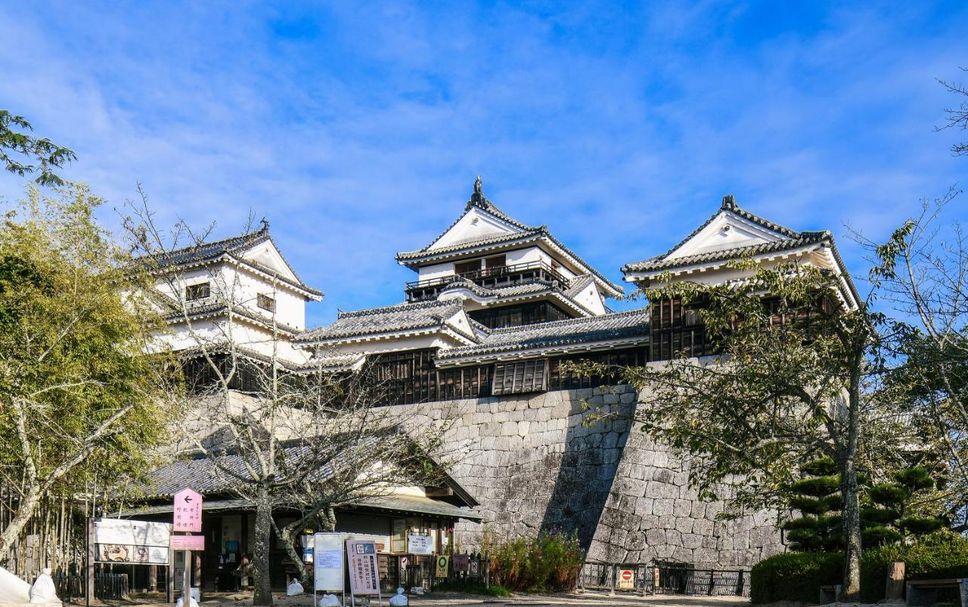
Located in Ehime Prefecture on the island of Shikoku, Matsuyama (松山) enjoys a warm, humid climate influenced by the Seto Inland Sea. With an annual average temperature of around 16.5°C, the city is mild and comfortable year-round. Spring and autumn are widely regarded as the best seasons to visit, and from mid-to-late November, the city becomes a popular destination for autumn foliage.
Seasonal Weather in Matsuyama
Spring (March – May)
Spring is one of the best times to visit Matsuyama. Temperatures gradually rise from March, reaching daytime highs of 23–24°C by May. Cherry blossoms bloom around late March to early April, particularly around Matsuyama Castle, drawing visitors from near and far. April is especially pleasant, with average temperatures between 9–20°C ideal for outdoor sightseeing. Keep in mind that rainfall is fairly high during this period — approximately 105.5mm in March, 130mm in April, and 157mm in May — so carrying a compact umbrella is a must. A light jacket is also recommended for cooler mornings and evenings.
Summer (June – August)
Summer in Matsuyama is hot, humid, and heavily affected by the rainy season (tsuyu). Average rainfall peaks in June at around 224mm and remains high in July at approximately 200mm. Temperatures climb from 18–27°C in June to highs of 30–32°C in July and August, with humidity occasionally reaching 99%. The rainy season typically ends in late June to early July, but the heat and humidity persist well into August. Lightweight, breathable clothing, sunscreen, and a hat are essential, and a thin cardigan is useful for the sharp contrast between outdoor heat and air-conditioned interiors.
Autumn (September – November)
Early September still carries the heat of summer, with daytime highs of 28–29°C. From mid-September, temperatures drop quickly and humidity falls below 50%, signalling the arrival of autumn. October is one of the most ideal months to visit, with comfortable temperatures of 13–25°C, reduced rainfall of around 108mm, and plenty of clear, sunny days — perfect for visiting Matsuyama Castle, Dogo Onsen, and the Shikoku pilgrimage temples. From mid-to-late November, autumn foliage reaches its peak, painting the castle grounds and temple surroundings in brilliant reds and golds. As temperatures dip to 8–20°C and daily temperature swings increase, a medium-weight jacket and layering are recommended.
Winter (December – February)
Matsuyama’s winters are cool but relatively mild, with temperatures generally staying between 3–14°C. Snowfall is extremely rare and temperatures rarely drop below freezing. January is the driest month of the year with only around 46.5mm of rainfall, and clear days are common. However, winds blowing off the Seto Inland Sea can make it feel colder than the thermometer suggests, so a warm coat, scarf, and accessories are advisable. The good news is that daily temperature variation is small, so heavy layering is not strictly necessary.
Best Time to Visit Matsuyama
The best times to visit Matsuyama are spring (April–May) and autumn (October–November), when the weather is mild, rainfall is manageable, and outdoor sightseeing conditions are at their finest.
Spring (April–May) brings temperatures of 13–24°C, with cherry blossoms in full bloom around Matsuyama Castle and Dogo Onsen in early April. The weather is comfortable enough during the day with just a light jacket, making it an ideal season for combining sightseeing with a relaxing onsen experience.
Autumn (October–November) offers cool, low-humidity conditions with temperatures ranging from 10–23°C. October provides plenty of sunny days for exploring the castle, hot springs, and pilgrimage routes, while mid-to-late November delivers stunning autumn colour as the castle walls and temple grounds turn vivid shades of red and yellow.
Late June to July should be avoided if possible, as the rainy season can bring over 300mm of rainfall, making outdoor activities difficult. July and August are intensely hot and humid, with temperatures reaching 30–32°C, which can be physically demanding. Winter (December–February) is a quieter, more peaceful time to visit and suits those seeking a serene onsen retreat, though warm, wind-resistant clothing is needed.
Monthly Weather & What to Wear
January
Average temperatures range from a low of 2–3°C to a high of 10°C, making it the coldest month of the year. Snow accumulation is rare, and with only about 47mm of rainfall, January tends to be dry and clear.
What to wear: Heavy coat, thermal base layers, knit sweater, scarf, and gloves.
February
Temperatures are similar to January or slightly warmer, with lows of 2–3°C and highs around 11°C. Rainfall increases slightly to 67–71mm, and occasional snow is possible. Strong winds can make it feel colder than it looks.
What to wear: Heavy winter coat, thermal layering, scarf.
March
Spring begins with temperatures gradually rising to a range of 4–5°C (low) and 14–15°C (high). Rainfall increases to around 105mm, with more overcast and rainy days. Cherry blossoms start to appear from late March. Morning and evening temperature swings can be significant.
What to wear: Light spring coat or thick cardigan, thin long-sleeve layers, compact umbrella essential.
April
One of the best months to visit, with cherry blossoms in full bloom and comfortable temperatures of 9°C (low) to 19–20°C (high). Rainfall of around 112–130mm means some rainy days, but plenty of bright days too.
What to wear: Light jacket or trench coat, thin knit top, umbrella.
May
Early summer arrives with warm and pleasant temperatures of 13–14°C (low) to 23–24°C (high). Rainfall peaks at 123–157mm, the highest of the spring months, so an umbrella is a must. On warmer days, short sleeves are perfectly comfortable.
What to wear: T-shirt with a light outer layer, windbreaker, umbrella.
June
The rainy season (tsuyu) begins in earnest, bringing the highest rainfall of the year at 224–240mm. Temperatures range from 18–19°C (low) to 27°C (high), with high humidity making the heat feel uncomfortable. Minimising outdoor plans is advisable, and waterproof gear is essential.
What to wear: Breathable short sleeves and shorts, rain jacket or umbrella, thin cardigan for air-conditioned spaces.
July
The rainy season ends and full summer sets in, with temperatures reaching 22–23°C (low) and 30–31°C (high). Rainfall of 183–200mm remains significant and humidity stays very high. Strong UV rays and heat require careful management of outdoor activities.
What to wear: Lightweight cotton tee, shorts, hat, sunglasses, sunscreen, portable fan.
August
The hottest month of the year, with lows of 24–25°C and highs of 30–32°C. Rainfall drops slightly to 109–139mm compared to July, but afternoon showers are frequent. Staying well hydrated is critical, and scheduling outdoor activities in the early morning or evening is strongly recommended.
What to wear: Light summer clothes in breathable fabrics, sandals, compact umbrella, thin cardigan for air-conditioned interiors.
September
Summer’s heat lingers, with temperatures still at 18–20°C (low) and 28–29°C (high). Rainfall of 146–152mm and the possibility of typhoons mean weather forecasts should be monitored closely. From mid-September, mornings and evenings begin to cool noticeably.
What to wear: Short-sleeve top with a light long-sleeve or cardigan option, umbrella.
October
Prime autumn travel season, with pleasant temperatures of 13–16°C (low) and 23–25°C (high). Rainfall drops to around 108mm and clear, sunny days are plentiful — ideal for castle visits, onsen trips, and temple walks. Autumn foliage begins to emerge gradually.
What to wear: Long-sleeve shirt with a light outer jacket.
November
Autumn deepens with temperatures falling to 8–10°C (low) and 18–20°C (high). Rainfall is low at around 68mm, and autumn leaves reach their peak colour. The temperature difference between day and night grows, so layering becomes important.
What to wear: Thick cardigan or coat, light thermal base layer, scarf.
December
Early winter brings cool conditions of 4–6°C (low) and 12–14°C (high). With only around 48mm of rainfall and many clear days, this is a peaceful time to enjoy Dogo Onsen without the crowds. Strong winds can lower the feels-like temperature significantly.
What to wear: Heavy coat, scarf, gloves, thermal base layer.