
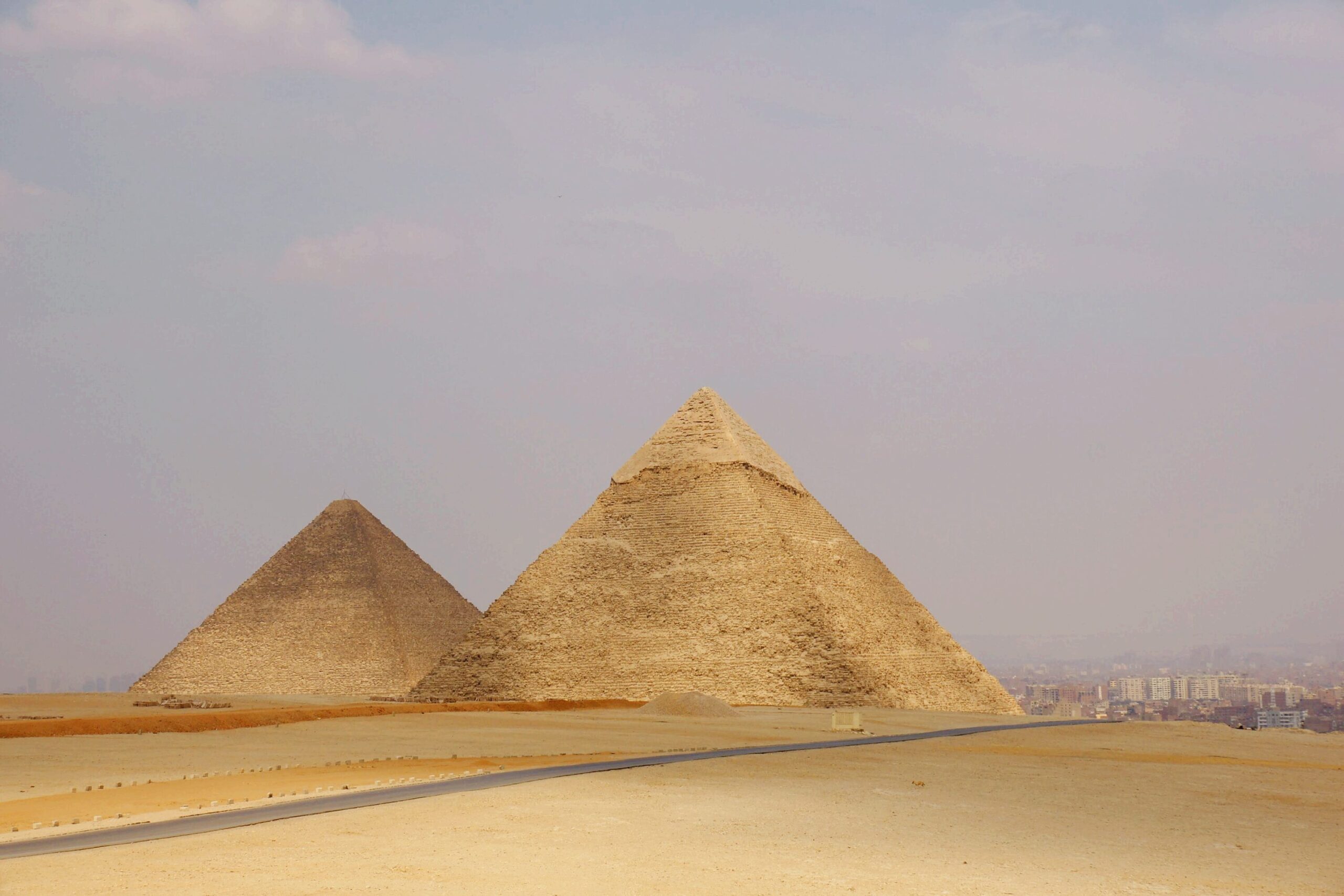
Introduction: Understanding Cairo’s Desert Climate
Cairo’s climate is characterized by a hot, arid desert environment where summers are intensely scorching (averaging 35°C+) and winters are mild and pleasant (averaging 19-21°C). With an annual precipitation of just 55mm, virtually all rainfall is concentrated during the winter months. From March to May, the notorious Khamsin winds sweep across the city, bringing dust storms and dramatically elevated temperatures. The optimal time to visit Cairo is between November and April, when pleasant weather and comfortable temperatures make outdoor exploration truly enjoyable.
Seasonal Weather Breakdown
Spring (March–Mid-May)
Spring in Cairo presents a paradoxical climate. While abundant sunshine and pleasant warmth characterize the season, the Khamsin winds—fierce, hot gusts originating from the Sahara Desert—can dramatically alter conditions. Average temperatures range from 18–26°C, but during Khamsin events, temperatures can soar above 40°C, accompanied by sand and dust that reduce visibility and create uncomfortable outdoor conditions. March retains relatively cool nights, but by April and May, daytime heat intensifies progressively. Rainfall remains negligible throughout the season.
Best months to visit: Early March or late April/early May (if avoiding peak Khamsin activity)
Summer (Mid-May–Mid-September)
Summer is Cairo’s hottest and driest season. Average temperatures hover between 28–30°C, though daytime highs frequently exceed 35°C. August is the peak heat month, with maximum temperatures reaching 35°C, while May and June experience even hotter extremes due to ongoing Khamsin influence, often surpassing 40°C. High humidity exacerbates the heat index, creating oppressive conditions. Precipitation is virtually nonexistent. Outdoor tourism becomes challenging; those visiting must maximize early morning and late evening activities, making use of air-conditioned facilities during peak heat hours.
Visitor advisory: Summer travel is not recommended except for heat-tolerant travelers.
Autumn (Mid-September–November)
Autumn represents a gradual transition from summer’s extremes to more temperate conditions. Early autumn (September–October) remains warm with daytime highs exceeding 30°C, but the Khamsin winds weaken in October, allowing temperatures to decline noticeably. By November, average temperatures drop to a pleasant 20°C, making this an ideal travel month. Humidity gradually decreases, and rainfall remains minimal, providing optimal conditions for outdoor exploration.
Best months to visit: October and November
Winter (December–February)
Winter is Cairo’s most comfortable season, with average temperatures a pleasant 14–16°C. Clear skies, low humidity, and mild conditions make this the prime tourism season. While winter accounts for the majority of Cairo’s annual precipitation, monthly rainfall remains negligible (3–11mm). Occasionally, cold air masses from Eastern Europe lower temperatures further; snow and hail are exceedingly rare phenomena. The consistency and comfort of winter weather make it the most reliable time for extensive sightseeing.
Best months to visit: December–February (peak tourism season)
Best Times to Visit Cairo
Prime Travel Windows
November–April: The Ideal Season
During these months, average temperatures range from a comfortable 14–26°C, humidity is low, and skies are generally clear. Outdoor activities and cultural site visits can be conducted comfortably throughout the day. November and December, combined with March and April, offer the most balanced conditions—warm enough for comfort yet cool enough to permit extended outdoor exploration.
December–February: Peak Season
Winter months offer the highest tourism activity. Hotel rates are elevated, tours are crowded, and popular sites experience peak visitor traffic. However, the weather is undeniably perfect for tourism.
Shoulder Season: Late February and Early November
These weeks between peak seasons offer excellent weather while tourist populations remain moderate and hotel rates are more reasonable—an ideal compromise for budget-conscious travelers.
Seasons to Avoid
May–September: Summer High Heat
Average temperatures exceed 28–30°C with frequent extremes above 40°C. The combination of intense heat, occasional dust storms, and oppressive humidity creates challenging tourism conditions. Outdoor activities are severely restricted, and even acclimatized visitors may experience heat-related stress.
March–May: Khamsin Risk Period
While early March can be pleasant, the increasing risk of Khamsin-induced dust storms makes this period unpredictable. To minimize disruption, consider visiting November through February or planning for late April through early May when Khamsin activity typically subsides.
Monthly Weather Guide & Recommended Attire
January
Climate Profile
Average temperature: 14.4°C (coolest winter month)
High: 19°C | Low: 9.7°C
Precipitation: 3.8mm (≈3 rainy days)
Daylight hours: 7 hours
January is winter’s coldest month, yet conditions remain mild and pleasant. Daytime temperatures are comfortable for outdoor exploration, while nighttime requires light layering for warmth.
Recommended Attire
-
Short-sleeve shirt layered with a lightweight cardigan or light jacket
-
Thin trousers or skirt
-
Lightweight sweater or jacket for evening activities
-
Comfortable walking shoes
February
Climate Profile
Average temperature: 15.7°C (slightly warmer than January)
High: 20.6°C | Low: 10.7°C
Precipitation: 7.2mm (minimal rainfall)
Daylight hours: 8.5 hours
February remains pleasantly cool with stable, predictable weather—truly an optimal tourism month. Clear skies and low humidity create ideal sightseeing conditions.
Recommended Attire
-
Short-sleeve shirt or blouse
-
Lightweight trousers or skirt
-
Cardigan or light sweater for layering
-
Light jacket for cooler evenings
-
Comfortable walking or athletic shoes
-
Sunglasses and hat for sun protection
March
Climate Profile
Average temperature: 18.4°C (spring onset)
High: 23.9°C | Low: 13°C
Precipitation: 11.9mm (year’s highest, though still minimal)
Daylight hours: 8.5 hours
March signals spring’s arrival with pleasantly warm days. However, Khamsin winds introduce unpredictability, with temperatures potentially reaching 33°C on calm days or exceeding 39°C during Khamsin events. Dust storms pose visibility and respiratory challenges.
Recommended Attire
-
Short-sleeve shirt (bring long-sleeved shirt for dust storm protection)
-
Long trousers or skirt
-
Lightweight jacket or sweater
-
Scarf for sun and dust protection
-
Sunglasses and hat (essential during Khamsin)
-
Dust mask (recommended during windy periods)
-
Comfortable athletic shoes
April
Climate Profile
Average temperature: 21.8°C (pleasantly warm)
High: 28°C | Low: (varies widely)
Precipitation: 1.9mm (minimal rainfall)
Daylight hours: 9.5 hours
April offers pleasant temperatures but increased Khamsin activity remains a concern. Temperatures can exceed 38°C during Khamsin events, or even reach 42°C in extreme cases. UV radiation intensifies significantly.
Recommended Attire
-
Short-sleeve shirt (bring long-sleeved shirt for protection)
-
Breathable, loose-fitting long trousers or skirt
-
Scarf for dust and sun protection
-
Sunglasses (essential)
-
Wide-brimmed hat
-
Dust mask (carry one for unexpected storms)
-
Comfortable athletic shoes
-
Lightweight jacket for cooler evenings
May
Climate Profile
Average temperature: 25.7°C (summer transition)
High: 32.3°C | Low: 19.1°C
Precipitation: 2mm (negligible rainfall)
Daylight hours: 10.5 hours
May marks the transition to summer’s intense heat. Khamsin winds may push temperatures above 41°C, with extreme events recorded at 45.7°C. Outdoor activities become increasingly challenging as heat becomes oppressive.
Recommended Attire
-
Lightweight, breathable cotton or linen short-sleeve shirt in light colors
-
Long trousers or skirt (protects against sun and UV)
-
Sunglasses, wide-brimmed hat, and UV-protective scarf (essential)
-
Sunscreen: SPF 50+ applied and reapplied frequently
-
Sandals or breathable athletic shoes
-
Consider limiting outdoor activities to early morning or late evening hours
June
Climate Profile
Average temperature: 28.4°C (extremely hot)
High: 34.7°C | Low: 22°C
Precipitation: 0mm (no rainfall)
Humidity: Rising significantly
Daylight hours: 12 hours
June is brutally hot and dry. Zero precipitation combines with rising humidity to create oppressive conditions. The combination of extreme heat and intense UV radiation makes outdoor tourism nearly unsuitable.
Recommended Attire
-
Lightweight cotton or linen short-sleeve shirt in very light colors
-
Loose, breathable long trousers or skirt
-
Sunglasses, wide-brimmed hat, and UV-protective scarf (essential)
-
Frequent sunscreen application: SPF 50+
-
Breathable sandals
-
Limit outdoor activities to early morning or late evening; prioritize indoor attractions (museums, galleries, malls)
July
Climate Profile
Average temperature: 29.4°C (year’s hottest month)
High: 35.1°C | Low: 23.6°C
Precipitation: 0mm (no rainfall)
Humidity: 55% (relatively high)
Daylight hours: 11.5 hours
July is typically Cairo’s hottest month, with extreme heat posing genuine health risks during extended outdoor exposure. The combination of intense heat and moderate humidity creates oppressive conditions.
Recommended Attire
-
Lightweight cotton or linen short-sleeve shirt
-
Loose-fitting long trousers or skirt
-
Wide-brimmed hat and sunglasses (essential)
-
UV-protective scarf
-
Frequent sunscreen reapplication: SPF 50+
-
Breathable sandals
-
Strongly consider visiting only during early morning or late evening hours
August
Climate Profile
Average temperature: 29.6°C (tied for year’s hottest)
High: 35°C | Low: 24.1°C
Precipitation: 1.8mm (negligible rainfall)
Humidity: 57% (peak humidity level)
Daylight hours: 11.5 hours
August is Cairo’s most oppressive month—a combination of extreme heat and peak humidity creates extraordinarily uncomfortable conditions. Urban heat island effects intensify the discomfort further. Outdoor tourism is essentially impossible.
Recommended Attire
-
Lightweight cotton or linen short-sleeve shirt in pale colors
-
Loose long trousers or skirt for skin protection
-
Wide-brimmed hat, sunglasses, and UV-protective scarf (essential)
-
Frequent sunscreen application: SPF 50+
-
Breathable sandals
-
Plan all activities in climate-controlled environments; short outdoor excursions only in early morning
September
Climate Profile
Average temperature: 28°C (slightly cooler than August)
High: 33.5°C | Low: 22.6°C
Precipitation: 0mm (no rainfall)
Humidity: 56% (remains high)
Daylight hours: 10.5 hours
September retains summer’s oppressive heat, though conditions begin gradually improving. While outdoor tourism remains challenging, the shift toward autumn provides subtle improvements in environmental comfort.
Recommended Attire
-
Lightweight short-sleeve shirt in light colors
-
Breathable long trousers or skirt
-
Light jacket or cardigan layer for sun/UV protection
-
Sunglasses, hat, and sunscreen remain essential
-
Comfortable athletic shoes
-
Plan morning or evening activities; avoid midday heat
October
Climate Profile
Average temperature: 24.9°C (autumn transition begins)
High: 30.1°C | Low: 19.8°C
Precipitation: 4.8mm (very minimal rainfall)
Daylight hours: 9.5 hours
October marks autumn’s arrival. Early-month temperatures may still reach 36°C during occasional Khamsin events, but as the month progresses, conditions improve substantially. By month’s end, Cairo transitions into its most comfortable tourism season.
Recommended Attire
-
Short-sleeve shirt
-
Lightweight, breathable trousers or skirt
-
Light jacket or cardigan for sun protection
-
Sunglasses and hat remain useful
-
By late October, add a light cardigan for cooler evenings
-
Comfortable athletic shoes
November
Climate Profile
Average temperature: 20.2°C (comfortable and mild)
High: 25°C | Low: 15.4°C
Precipitation: 10mm (still minimal)
Humidity: 60% (stable)
Daylight hours: 8.5 hours
November is widely regarded as Cairo’s optimal tourism month. Daytime temperatures are pleasantly warm, evenings are cool but not cold, and clear skies dominate. The Khamsin wind season ends, and visitor comfort reaches peak levels.
Recommended Attire
-
Long-sleeve shirt or lightweight sweater
-
Blue jeans or casual trousers
-
Lightweight jacket or blazer for evening layering
-
Travel scarf for temperature adjustment
-
Sunglasses and hat for sun protection
-
Comfortable walking or athletic shoes
December
Climate Profile
Average temperature: 16°C (winter’s full onset)
High: 20.6°C | Low: 11.4°C
Precipitation: 11.2mm (still minimal)
Humidity: 61% (relatively high)
Daylight hours: 6.5 hours (shortest of the year, yet adequate)
December continues winter’s comfortable conditions, marking the start of peak tourism season. Weather remains reliably pleasant, though nights require light layers.
Recommended Attire
-
Long-sleeve shirt or lightweight sweater
-
Lightweight jacket or windbreaker (essential for evenings)
-
Warm scarf or light shawl for additional warmth
-
Comfortable walking shoes
-
Layering is key for adapting to daytime warmth and evening cool
Monthly Temperature & Precipitation Summary
| Month | High (°C) | Low (°C) | Precipitation (mm) | Humidity (%) | Sunrise | Sunset |
|---|---|---|---|---|---|---|
| January | 19 | 9.7 | 4 | 59 | 6:48 AM | 5:18 PM |
| February | 20.6 | 10.7 | 7 | 55 | 6:33 AM | 5:42 PM |
| March | 23.9 | 13 | 12 | 52 | 6:10 AM | 6:04 PM |
| April | 28 | 15.6 | 2 | 46 | 5:49 AM | 6:17 PM |
| May | 32.3 | 19.1 | 2 | 44 | 5:42 AM | 7:24 PM |
| June | 34.7 | 22 | 0 | 48 | 5:54 AM | 7:51 PM |
| July | 35.1 | 23.6 | 0 | 55 | 5:56 AM | 8:00 PM |
| August | 35 | 24.1 | 2 | 57 | 6:14 AM | 7:49 PM |
| September | 33.5 | 22.6 | 0 | 56 | 6:32 AM | 7:18 PM |
| October | 30.1 | 19.8 | 5 | 58 | 6:48 AM | 6:41 PM |
| November | 25 | 15.4 | 10 | 60 | 6:09 AM | 5:08 PM |
| December | 20.6 | 11.4 | 11 | 61 | 6:33 AM | 4:55 PM |
Frequently Asked Questions
Q: What are Cairo’s hottest and coldest months?
A:
-
Hottest months: July and August (average highs exceed 35°C)
-
Coldest month: January (average high 19°C, average low 9.7°C)
Q: Is Cairo hot year-round?
A: No. While summers are intensely hot, Cairo experiences significant seasonal variation. Spring, autumn, and winter offer mild, pleasant temperatures that make outdoor exploration comfortable and enjoyable.
Q: When is the best time to visit Cairo?
A: November through March represents the optimal tourism season. Weather is pleasant and mild, outdoor activities are comfortable throughout the day, and humidity levels are relatively low. This window provides ideal conditions for extensive sightseeing and cultural exploration.
Q: What is the “Khamsin” wind?
A: The Khamsin is a fierce, hot, and exceptionally dry wind originating from the Sahara Desert. It typically occurs during spring (March–May) and occasionally in early summer, bringing substantial quantities of sand and dust, and causing dramatic temperature increases (sometimes 20°C or more). Visibility deteriorates sharply, and events typically persist for 3–7 days. During Khamsin events, indoor activities are strongly recommended; outdoor ventures require protective eyewear and masks.
Q: Do dust storms occur in Cairo?
A: Yes, dust storms frequently accompany Khamsin winds during spring and early summer. Visibility diminishes dramatically, and air quality becomes hazardous—particularly for individuals with respiratory conditions. Replace outdoor activities with indoor alternatives, and wear protective masks when outdoors during these events.
Q: Is UV radiation strong in Cairo?
A: Absolutely. Cairo receives intense UV radiation year-round, with summer months presenting particularly extreme levels. Sunscreen with SPF 30 or higher is essential for all outdoor activities. Sunglasses and wide-brimmed hats are strongly recommended.
Q: Does it rain in Cairo?
A: Cairo receives minimal annual precipitation (approximately 20–30mm). Rainfall is concentrated in winter months and remains negligible even then (typically 3–11mm per month). Don’t expect rain as a significant weather factor during your visit.
Q: Does it snow in Cairo?
A: Snow in Cairo is extraordinarily rare—essentially a once-in-a-generation event. Hail occasionally falls during winter but remains exceptionally uncommon.
Q: What is the humidity level?
A: Relative humidity varies significantly:
-
Lowest: May (44%)
-
Highest: August (57%)
-
Winter/Early Spring: Generally below 50% (more comfortable)
Q: What are the best activities for each season?
Winter (December–February): All outdoor activities are optimal—pyramid visits, felucca rides on the Nile, bazaar exploration, and evening strolls are all comfortable.
Spring (March–May): Early spring offers good conditions; later spring requires caution regarding Khamsin winds. Timing matters significantly.
Summer (June–August): Limit outdoor exploration to early morning (before 10 AM) or late evening (after 6 PM). Prioritize indoor attractions: museums, galleries, shopping centers, and water activities.
Autumn (September–November): All outdoor activities become increasingly comfortable as the season progresses. October and November are ideal for extensive sightseeing.
Practical Travel Tips
What should I pack for Cairo?
Year-round essentials:
-
Sunscreen (SPF 30 minimum; SPF 50+ recommended for summer)
-
Sunglasses (polarized lenses reduce glare effectively)
-
Wide-brimmed hat
-
Lightweight, breathable clothing
-
Comfortable walking shoes
-
Lightweight scarf (versatile for sun protection, cultural sensitivity, and temperature adjustment)
Winter addition:
-
Lightweight jacket for evening warmth
Spring/Summer additions:
-
Long-sleeved, breathable shirts (for sun protection and cultural modesty)
-
Dust mask (for Khamsin season)
-
Reusable water bottle (stay hydrated in dry climate)
When should I plan indoor activities?
During summer months (June–August), conduct all outdoor tourism during early morning hours (6–10 AM) or late evening (6 PM onward). Use midday hours for museums, air-conditioned galleries, shopping centers, and restaurants.
Is tap water safe to drink?
While Cairo’s municipal water is treated, visitors should exercise caution. Bottled water is inexpensive and readily available; this remains the safest choice. Avoid tap water and ice made from tap water.
How do I protect against heat-related illness?
-
Hydrate constantly throughout the day
-
Wear light-colored, loose-fitting clothing
-
Use sunscreen reapplied every 2 hours
-
Seek shade or air-conditioning during midday heat (11 AM–4 PM)
-
Eat light, frequent meals rather than heavy meals
-
Wear a hat and sunglasses at all times
Final Recommendations
Optimal Visit Window: November–March
This period offers reliably pleasant weather, comfortable temperatures, low humidity, and clear skies. Whether you’re exploring the Pyramids, navigating bustling souks, or leisurely cruising the Nile, these months provide ideal conditions for comprehensive Cairo exploration.
Avoid if possible: June–August
Summer heat is genuinely challenging. While technically visitable, extreme temperatures, high humidity, and limited daylight hours for comfortable outdoor activity make summer substantially less enjoyable than other seasons. Heat-related illness is a legitimate concern during extended outdoor exposure.
Budget consideration: Visit during November-early December or late February-early March for optimal weather while avoiding peak-season pricing. The “shoulder season” offers an excellent weather-to-cost balance.
Final word: Cairo’s desert climate is dramatic and unforgiving in summer but becomes a travel paradise during cooler months. Plan accordingly, dress appropriately, and time your visit to coincide with November through March for an unforgettable Egyptian experience.