
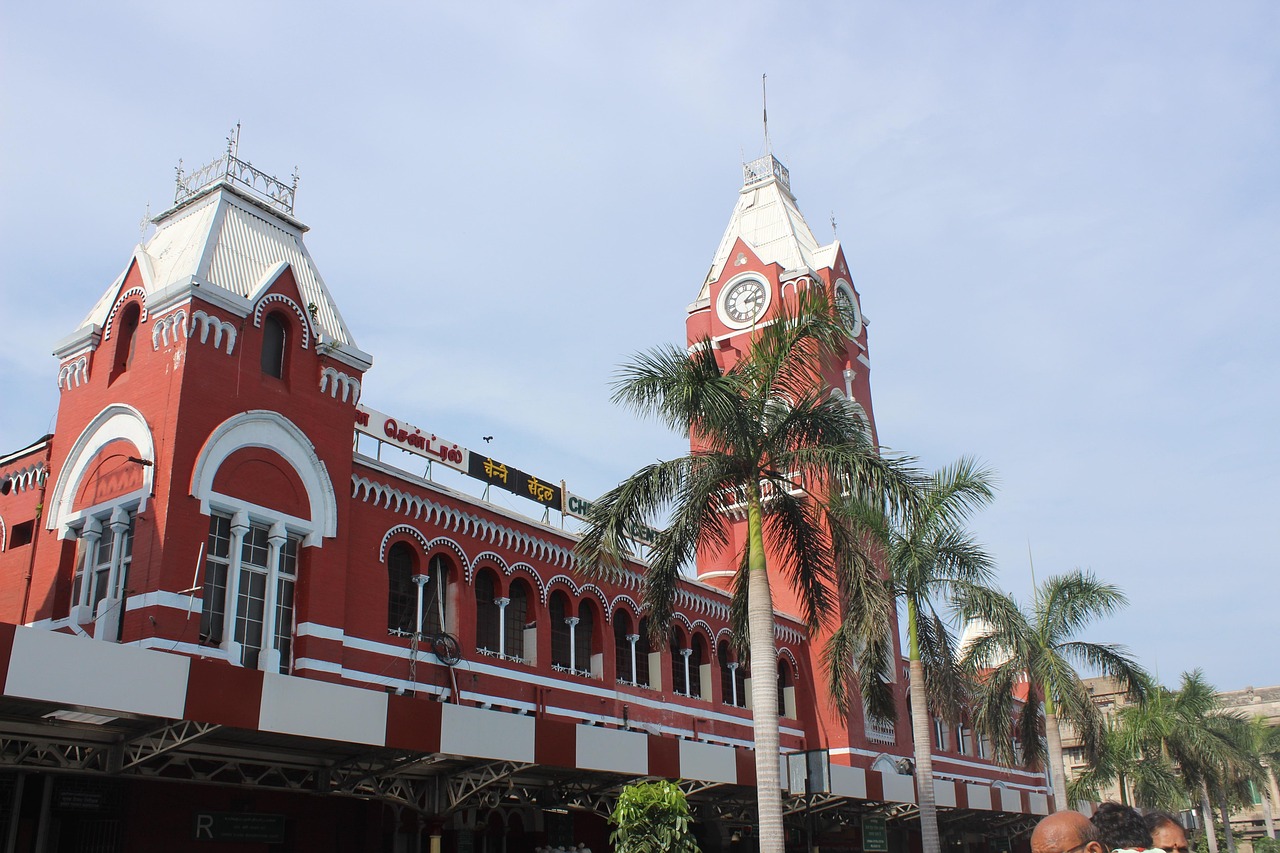
Chennai is the capital of Tamil Nadu in India and a major city in South India bordering the Bay of Bengal, with a tropical savanna climate. Annual temperatures range between 22°C and 37°C, and the weather remains hot and humid throughout the year, with an average annual temperature of 27–34°C. The seasons are broadly divided into three periods: the dry season (January to early May), the southwest monsoon (June to September), and the northeast monsoon (October to December). Unlike most Indian cities, the main rainy season in Chennai concentrates during the northeast monsoon from October to December. The hottest months are May and June, when temperatures can exceed 40°C, and the combination of heat and humidity can push the feels-like temperature above 50°C, making Chennai notorious for its extreme heat even by Indian standards. Annual rainfall is around 1,400mm, and because the city sits close to the Bay of Bengal, which is prone to cyclones, powerful tropical low-pressure systems sometimes make direct landfall between October and November, so caution is essential during that period.
Seasonal Weather in Chennai
Chennai’s seasons fall into four distinct periods: the dry season (winter and spring), the extreme heat season, the southwest monsoon (summer rainy season), and the northeast monsoon (autumn rainy season).
Winter (Late November – February)
Winter is the most pleasant and comfortable time of year in Chennai, with average highs of 28–30°C and lows dropping to 20–22°C. Humidity is relatively low and sunny days are common, making this the best time for sightseeing and outdoor activities. After the northeast monsoon wraps up around mid-December, skies clear and the period from December through February becomes the peak tourist season, drawing visitors from around the world.
Extreme Heat Season (March – May)
From March, temperatures rise rapidly, and by April and May the average high reaches 37–40°C, bringing the most brutal heat of the year. The combination of heat and humidity can push the feels-like temperature above 50°C, making this season notorious for extreme heat. Rainfall is minimal and skies stay dry, but the intense sunlight and heat make outdoor activity during the day genuinely dangerous, so it is best to avoid visiting during this period if possible.
Southwest Monsoon (June – September)
The southwest monsoon arrives in June and temperatures ease slightly to around 33–36°C, but humidity surges above 80%, keeping the feels-like temperature very high. Unlike most other Indian cities, Chennai is only moderately affected by the southwest monsoon, so rainfall is not especially heavy and amounts to little more than intermittent showers. From June to August, lows stay around 25°C and highs around 34°C, with relentlessly hot and humid conditions throughout the day, making it advisable to limit outdoor activity to the morning hours.
Northeast Monsoon (October – Early December)
The northeast monsoon begins in October, and this is Chennai’s true rainy season. Chennai is one of the rare Indian cities that receives the northeast monsoon with significant force, and more than 60% of the city’s annual rainfall concentrates in October and November. Average highs drop slightly to 30–33°C, but rain is frequent and heavy, causing flash flooding and traffic disruptions across the city. Cyclones originating in the Bay of Bengal make direct landfall most often between October and November, so checking weather forecasts every day is essential when traveling during this period. After the monsoon ends in mid-December, the weather transitions back into the clear, cool conditions of winter.
Best Time to Visit Chennai
The best time to visit Chennai is from mid-December to February, when the northeast monsoon has ended and clear, cool weather makes for an ideal travel experience. During this period, average highs sit at 28–30°C and lows at 20–22°C, with low humidity, making it easy to enjoy Marina Beach walks, temple tours, and outdoor cultural events comfortably. In particular, the traditional Carnatic music festival season runs from December 15 to January 15, filling the city with performances and cultural events, so timing a visit around this period adds real depth to the experience.
November requires caution. It marks the peak of the northeast monsoon, when a large share of annual rainfall concentrates and Bay of Bengal cyclones can make direct landfall. If you visit in November, checking weather forecasts daily and building flexibility into your schedule is essential.
April through early June should be avoided entirely, as feels-like temperatures can exceed 50°C and outdoor activity during the day reaches a genuinely dangerous level. The southwest monsoon period from July through September also brings persistently hot and humid conditions that make comfortable sightseeing difficult.
Monthly Weather and What to Wear
January
January is the most pleasant and comfortable month in Chennai, with an average high of 28°C and a low of 20°C, and rainfall of about 20mm, making for clear and dry conditions. Humidity sits at around 60–70%, far lower than in summer, so beach walks and outdoor activities are enjoyable. The traditional harvest festival Pongal is celebrated in mid-January, offering a wonderful opportunity to experience local culture. What to wear: light short-sleeved shirts or breathable cotton tops are the base; pack a thin cardigan or long-sleeved shirt for cool mornings, evenings, and heavily air-conditioned interiors. A scarf or shawl to cover shoulders and knees when visiting temples is essential, along with a hat, sunglasses, and sunscreen.
February
February is one of the driest months of the year, with an average high of 30°C and a low of 21°C and only about 13mm of rainfall. Clear and sunny days continue, and the peak tourist season remains in full swing. What to wear: light short-sleeved shirts with cotton or linen trousers work well. Sunscreen and a hat are essential as daytime temperatures approach 30°C, and one light outer layer for the evening is a good idea.
March
March marks the beginning of a rapid temperature rise, with an average high of 32°C and a low of 23°C, and only about 14mm of rainfall — still quite dry. Sunlight intensifies noticeably during the day, making adequate sun protection necessary for outdoor activities. What to wear: breathable cotton short-sleeved shirts with shorts or lightweight trousers are the base. Pack a rash guard or beach cover-up for the beach, and always have a scarf, sunscreen, and a hat for temple visits.
April
April marks the true start of the extreme heat season, with an average high of 35°C and a low of 27°C; the feels-like temperature already exceeds 40°C. Rainfall is only about 15mm, keeping conditions dry, but intense heat and direct sunlight make outdoor activity during the day very difficult. What to wear: light, bright-colored breathable cotton shirts and shorts are essential, along with a hat and a thin UV-protective long-sleeved layer to block direct sun. Carry water at all times, and SPF 50+ sunscreen is non-negotiable.
May
May is one of the hottest months in Chennai, with an average high of 37°C and a low of 28°C; combined with high humidity, the feels-like temperature can exceed 50°C. Outdoor activity between 11:00 AM and 4:00 PM carries a real risk of heatstroke and is strongly discouraged. What to wear: the lightest possible bright-colored cotton or moisture-wicking short-sleeved shirts and shorts are essential. A wide-brimmed hat, UV-blocking sunglasses, and SPF 50+ sunscreen are life-critical items outdoors, and a thin long-sleeved layer for heavily air-conditioned spaces should also be packed.
June
June brings the southwest monsoon, with an average high of 37°C and a low of 28°C; the heat continues but intermittent rain begins to take the edge off slightly. Humidity surges above 80%, keeping the feels-like temperature very high, and brief showers appear in the afternoon. What to wear: breathable cotton short-sleeved shirts and shorts are the base; always carry a compact umbrella or rain poncho for sudden downpours. Choose quick-dry fabrics that won’t stay wet for long.
July
July continues the southwest monsoon, with an average high of 34°C and a low of 25°C — temperatures ease slightly but humidity climbs further, keeping the air oppressively sticky. Overcast skies are frequent and rain probability is high, which can make outdoor sightseeing inconvenient. What to wear: moisture-wicking short-sleeved shirts and shorts are the base; waterproof sandals or shoes are recommended because rain falls regularly. Keep a rain poncho or waterproof jacket in your bag at all times.
August
August mirrors July, with an average high of 34°C and a low of 25°C, high humidity, and frequent showers; rainfall gradually increases through the month and the air stays heavy and muggy all day. What to wear: light, breathable cotton shirts and shorts are the base, along with a waterproof bag and a spare change of clothes. Choose moisture-absorbing, quick-dry fabrics and keep an umbrella handy at all times.
September
September marks the tail end of the southwest monsoon, with an average high of 33°C and a low of 25°C; rain gradually eases and sunny days start to return. That said, conditions remain hot and humid, so limiting outdoor activity to the early morning is advisable. What to wear: moisture-wicking shirts and shorts are the base, and even though rain is decreasing, keep an umbrella ready for sudden showers. Sunscreen and a hat are needed again as UV levels intensify.
October
October marks the start of the northeast monsoon, with an average high of 31°C and a low of 24°C, and rainfall increases sharply, making this one of the wettest months of the year. Flash flooding and heavy rain with strong winds are common, and cyclone warnings must be monitored closely. What to wear: a fully waterproof rain poncho and waterproof shoes are essential; wear breathable short-sleeved shirts and shorts as the base layer but carry plenty of spare clothing in case you get soaked.
November
November is the peak of the northeast monsoon and the month with the highest rainfall of the year, with an average high of 29°C and a low of 23°C; while temperatures start to fall, concentrated downpours and cyclone risk are at their highest. What to wear: a waterproof rain poncho and waterproof shoes are survival-level essentials; layering a thin waterproof jacket over a short-sleeved shirt is strongly recommended. Use a waterproof backpack to protect your belongings, check weather forecasts constantly, and build plenty of flexibility into any daily plans.
December
December sees the northeast monsoon wind down around mid-month, transitioning to clear and cool weather. Average highs are 28°C with lows of 21°C, and rainfall drops quickly; from the second half of the month onward, proper dry-season conditions take hold. The Carnatic Music Season opens on December 15, filling the entire city with performances and cultural energy. What to wear: breathable cotton short-sleeved shirts or linen tops are the base; bring a thin cardigan or light jacket for evenings that can feel refreshingly cool. Sunscreen and a hat are still essential for beach outings, and keep an umbrella handy for the first half of the month.
Chennai Monthly Climate Data
Note: Annual rainfall totals approximately 1,408mm, with over 60% concentrated during the northeast monsoon months of October through December. Unlike most other Indian cities, Chennai receives significantly more rainfall from the northeast monsoon (October–December) than from the southwest monsoon (June–September). The all-time recorded high temperature is 45.0°C (May) and the all-time recorded low is 13.9°C (January/December).