
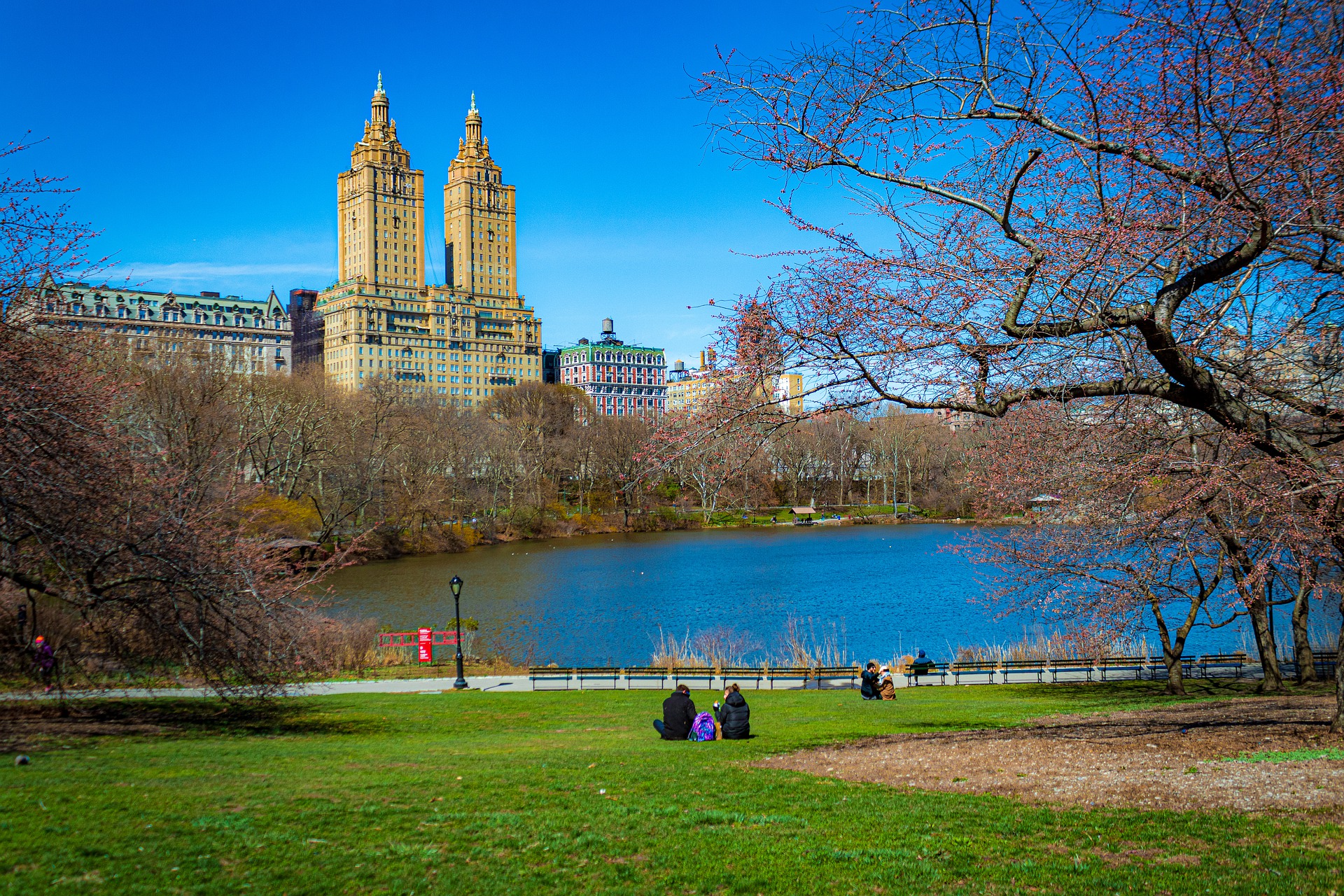
New York City sits on the Atlantic coast of the eastern United States, comprising five boroughs in southeastern New York State: Manhattan, Brooklyn, the Bronx, Queens, and Staten Island. Manhattan Island is the beating heart of the city — positioned between the Hudson and East Rivers — and serves as the global centre of finance (Wall Street), culture (Broadway), and tourism. Its proximity to the Atlantic has long made it a major port city, while its borders with New Jersey and Connecticut reinforce its role as a key transportation hub.
New York truly lives up to its reputation as “the city that never sleeps” — fast-paced, electrifying, and extraordinarily diverse. The neon blaze of Times Square, the leafy tranquillity of Central Park, and the focused energy of Wall Street exist side by side, all radiating the city’s relentless creative drive across art, fashion, and food. Travellers should expect the exhilarating noise and density of the streets and 24/7 shops and restaurants — but also plan in rest time to avoid exhaustion.
USA: Essential Facts
- Capital: Washington, D.C.
- Area: 9,833,520 km²
- Population: approx. 332.4 million
- Currency: US Dollar (USD, $)
- Country code: +1
- Visa: Many nationalities can visit the US visa-free for up to 90 days under the Visa Waiver Program, but must apply for ESTA (Electronic System for Travel Authorization) online before travel. Fee: $21.
- Power outlets: Type A/B (two- and three-prong flat-pin). A universal travel adaptor is recommended.
New York City: Essential Facts
- Population: approx. 8.4 million
- Time zone: UTC−5 (Eastern Standard Time); UTC−4 during Daylight Saving Time (second Sunday of March through first Sunday of November)
- Nearest airports: John F. Kennedy International (JFK), LaGuardia International (LGA), Newark Liberty International (EWR)
Seasonal Weather & What to Wear
New York has a humid continental climate with four distinct seasons — mild springs, hot summers, crisp autumns, and cold winters.
Spring (March – May)
Late spring is one of the best times to visit the city, though April and May are the rainiest months — expect rain on around 15 days per month. March can still dip below freezing and bring occasional snow. Spring break brings a surge of visitors, pushing up hotel and flight prices.
Summer (June – August)
Summer is busy with visitors, but it means navigating hot, crowded subway cars. June averages a pleasant 21.6°C, while July and August can climb to nearly 30°C. The city’s tall buildings trap heat and block the breeze, making it feel even hotter than the thermometer suggests.
Autumn (September – November)
Temperatures begin easing from early September, though the real chill doesn’t set in until late October. Autumn is one of the best seasons to visit — September averages a high of 23.8°C, dropping to 12.2°C by November. October and November are the driest months of the year, and Central Park puts on a spectacular display of autumn foliage.
Winter (December – February)
Christmas and New Year draw large crowds of visitors, but the weather is at its worst. December already brings snowy days, and January and February regularly see sub-zero temperatures. The city’s towering buildings create wind tunnels that make the cold feel even more biting.
Best Time to Visit
The ideal windows are April–June (spring) and September–early November (autumn) — pleasant weather, manageable crowds, and better prices than the summer peak. The cheapest time to visit is mid-January through the end of February, particularly on weekends.

Getting from the Airport to Manhattan
New York is served by three airports: JFK, LaGuardia (LGA), and Newark Liberty (EWR).
Transferring Between Airports
Inter-airport transfers are time-consuming and best avoided if possible. When unavoidable, options include:
ETS Airport Shuttle (shared van, bookable online):
- JFK → LaGuardia: $23.92
- JFK → Newark: $52 (approx. 1.5 hours)
- LaGuardia → Newark: $52
Taxi:
- JFK → LaGuardia: $48–53 (30 min)
- JFK → Newark: $157–177 + $20 surcharge (60–75 min)
- Newark → LaGuardia: $120 (60–75 min)
John F. Kennedy International Airport (JFK)
JFK is New York’s largest airport, located in Jamaica, Queens — approximately 26 km southeast of Midtown Manhattan. It has six terminals connected by the AirTrain.
AirTrain + Subway
The AirTrain is free between terminals. To reach the city, take AirTrain to Jamaica Station or Howard Beach Station ($8.50, payable by contactless card). From Jamaica, take the E subway line to Midtown (Penn Station / W. 34th St) — total journey approximately 60–90 minutes. Subway fare: $2.90 (contactless) or $3.25 (single cash ticket). Total AirTrain + subway: approximately $11.40.
- Howard Beach also connects to the A line.
MTA Bus + Subway
The most affordable option. Take the AirTrain to Terminal 8, walk to the Inner Terminal Roadway/Terminal 8 Bus Stop, board the Q3 bus to Jamaica–179th Street Station, then transfer to the F subway line to 23rd Street. Fare: $2.90 (contactless) / $3.25 (cash).
Go Airlink Shared Shuttle
Go Airlink operates shared shuttles directly to Manhattan hotels — useful if you have heavy luggage. Fare: $29.87 per person.
Taxi
Fixed flat fare from JFK to Manhattan: $70. Add $5 peak surcharge (weekdays 16:00–20:00), tolls ($5–10), and tip (15–20%). Total: approximately $85.
Private Airport Transfer
Ideal for groups. From JFK to Times Square: $74.65+ (4-seater) / $84.10+ (6-seater).
Newark Liberty International Airport (EWR)
Newark Airport is a major hub for United Airlines, located 14 km southwest of Midtown Manhattan. It has three terminals: Terminal A (mainly domestic) and Terminal B (mainly international).
AirTrain + NJ Transit Train
Take the AirTrain to Newark Airport Rail Station (11 min), then NJ Transit to Manhattan Penn Station (approx. 26 min). Total fare: approximately $16–17.25 (includes the $8.50 AirTrain). Amtrak from Newark: $20–30.
Bus – New Jersey Transit #62
Bus #62 to Newark Penn Station ($1.80, 25 min), then PATH subway to Manhattan World Trade Center ($2.75, 25 min).
Newark Airport Express Bus
Direct service to Port Authority, Bryant Park, and Grand Central Station. Fare: $22.50 one-way / $38.50 return. Journey time: as little as 35 minutes but up to 2 hours in heavy traffic.
Go Airlink Shared Shuttle
Go Airlink from Newark to Manhattan: $41.70 per person.
Taxi
Approximately $60–80 (excluding tolls and tip). With tolls and tip: approximately $70–90. Journey time: 45 min–1 hour.
Private Transfer
4-seater: $99.05 / 6-seater: $123.50+.
LaGuardia Airport (LGA)
The closest airport to Manhattan, primarily serving domestic flights.
LaGuardia Link Q70 Bus
Free bus connecting the airport to Jackson Heights–Roosevelt Avenue subway station (E, F, M, R lines).
M60-SBS Bus
For Upper Manhattan: the M60-SBS runs to Harlem 125th Street Metro-North Station. Fare: $2.90 (contactless); free transfers included.
Go Airlink Shared Shuttle
Approximately $35–45 per person to Manhattan.
Taxi
To Times Square: approximately $40–60 base fare, plus tolls ($5–15) and tip ($9–15). Total: approximately $60–80. Surcharges: peak hours (Mon–Fri 16:00–20:00) +$1; night (20:00–06:00) +$0.50; state tax +$0.50; airport departure +$1.75.
Private Transfer
From $76.05.
Arriving & Departing by Train
Amtrak
Amtrak intercity trains depart from New York Penn Station, located beneath Madison Square Garden. Services connect New York to Washington DC, Boston, Baltimore, Philadelphia, New Haven, Chicago, Florida, and New Orleans. The flagship Acela service runs at an average of 240 km/h along the Northeast Corridor. Book via the Amtrak website — the earlier you book, the better the price and seat selection.
| Route | Journey Time | Fare (one-way) |
| Washington DC → New York | ~3h 30min | $49–$120 |
| Boston → New York | ~4h | $49–$130 |
| Philadelphia → New York | ~1h 25min | $30–$70 |
| Newark → New York | ~15min | $13–$18 |
| Niagara Falls → New York | ~9h 30min | $70–$140 |
Commuter Rail
- Long Island Rail Road (LIRR): Long Island ↔ Penn Station
- Metro-North Railroad: Grand Central Terminal ↔ northeastern suburbs
- New Jersey Transit: Penn Station ↔ New Jersey
PATH Train
PATH connects Manhattan (World Trade Center and 33rd St) with Hoboken, Newark, and Jersey City in New Jersey, running under the Hudson River. Fare: $2.75 per ride; 10-ride pass: $21. Reloadable with the SmartLink Gray card (free).
Arriving & Departing by Bus
New York’s main long-distance bus terminal is Port Authority Bus Terminal, one of the busiest in the world (66 million passengers per year). Greyhound, Peter Pan Trailways, Short Line, and Trailways all operate from here.
Budget bus companies use separate stops in Midtown West:
- Bolt Bus: W 36th St, between 7th & 8th Aves
- Megabus: 34th St, between 11th & 12th Aves
- Vamoose: 7th Ave & W 30th St
| Route | Journey Time | Fare (one-way) |
| Washington DC | 4–5 hours | $15–$35 |
| Boston | 4–5.5 hours | $15–$40 |
| Philadelphia | 2.5–3 hours | $10–$25 |
| Newark | 30 min–1 hour | $5–$15 |
| Baltimore | ~4 hours | $15–$35 |
Getting Around New York City
Public transport is by far the cheapest and most convenient way to get around. New York’s subway has 36 lines and 472 stations; its bus fleet runs approximately 5,700 vehicles.
Transit Cards
MetroCard
A rechargeable magnetic stripe card, being phased out in favour of the OMNY system. Available at subway station booths, vending machines, and selected retailers.
- Single-use card: $3.25 (valid 2 hours, no transfers)
- Reloadable card: $1 purchase fee, $2.90 per ride (minimum top-up $5.50)
- 7-day unlimited: $34
- 30-day unlimited: $132
- 7-day Express Bus Plus: $64
OMNY System
New York’s contactless payment system, accepted at all subway stations and MTA buses. Tap to pay with an OMNY card, any contactless credit/debit card, or a mobile payment device (Google Pay, Apple Pay, Samsung Pay). The OMNY card costs $5 to purchase and is rechargeable. Ride 12 times in a week and all subsequent rides that week are free — effectively a built-in unlimited pass.
Subway
Opened in 1904, New York’s subway is one of the world’s oldest rapid transit systems — and despite its reputation, it runs 24 hours a day, 7 days a week, making it the fastest way to get around. Frequency reduces on weekends and overnight. Fare: $2.90 (card) / $3.25 (single cash ticket). Use Google Maps to plan your route — enter your origin and destination and it will tell you exactly which trains to take.
Transfers: Free between subway and bus (and bus to bus) within 2 hours using MetroCard or OMNY. Upgrading from local bus to Express Bus costs an additional $3.75.
City Bus
Over 5,000 buses crisscross the city, particularly useful for east–west crossings of Manhattan (where the subway is less helpful). Riding a bus from one end of Manhattan to Midtown outside peak hours is also a great — and very cheap — way to take in the city scenery. Pay via OMNY or contactless card ($2.90); coin payment requires exact change ($3.25) and you must ask the driver for a transfer slip.
NYC Ferry
Connects Manhattan, Brooklyn, Queens, and the Bronx across six routes with 38 vessels. Single fare: $4.00; 10-ride pass: $27.50. Free transfers within 120 minutes (not applicable for return journeys). Buy tickets via the NYC Ferry app or onboard vending machines.
NY Waterway Ferry
Operates from Weehawken, Hoboken, and Jersey City (New Jersey) to Midtown and Downtown Manhattan (Pier 11, Wall Street). Fares: $7–$13 depending on route. Buy tickets via the NY Waterway app or pier vending machines/booths.
Staten Island Ferry
A free commuter ferry running continuously between Staten Island and Lower Manhattan (~25 minutes each way). Even if you simply ride across and come back, you’ll get a remarkable view of Lower Manhattan and the Statue of Liberty — free of charge. Bikes travel free. Runs daily 24 hours (every 15–20 min weekdays, every 30–60 min holidays).
Yellow Taxi
New York’s iconic yellow cabs are one of the city’s most recognisable symbols. Hail one by raising your hand on any street. Base fare: $3.00; $0.70 per 1/5 mile or per minute waiting. A 10–20-minute trip in Manhattan typically costs $13–$25 including tip and tolls.
Surcharges:
- MTA state surcharge: $0.50
- Improvement surcharge: $1.00
- Night surcharge (20:00–06:00): $1.00
- Weekday peak (Mon–Fri 16:00–20:00): $2.50
- NYC Congestion Surcharge: $2.50 (yellow cab) / $2.75 (green cab)
- Tolls: passenger’s responsibility
- Tip: typically 10–15%
Rideshare (Uber & Lyft)
| Service | Base/Average Fare | Per Mile |
| UberX | $9–$15 | $1.50–$2.50 |
| Lyft Standard | $8–$14 | $1.30–$2.30 |
Via operates shared vans along fixed routes at lower prices — a good option for budget-conscious riders.
Cycling
New York is increasingly bike-friendly, with extensive cycling lanes throughout the city. The public bike-share scheme Citi Bike has hundreds of stations and 12,000 bikes across Manhattan and Brooklyn. Single 30-minute ride: $4.49; 24-hour pass: $19. A five-digit unlock code is issued at purchase — return the bike to any station within 30 minutes to avoid extra charges. Helmets are strongly recommended but not legally required.
Car Rental
Driving in New York City is not recommended. Parking garages are extremely expensive, street parking is nearly impossible to find, and crossing from New Jersey incurs steep tolls.
Accommodation: Costs & Recommendations
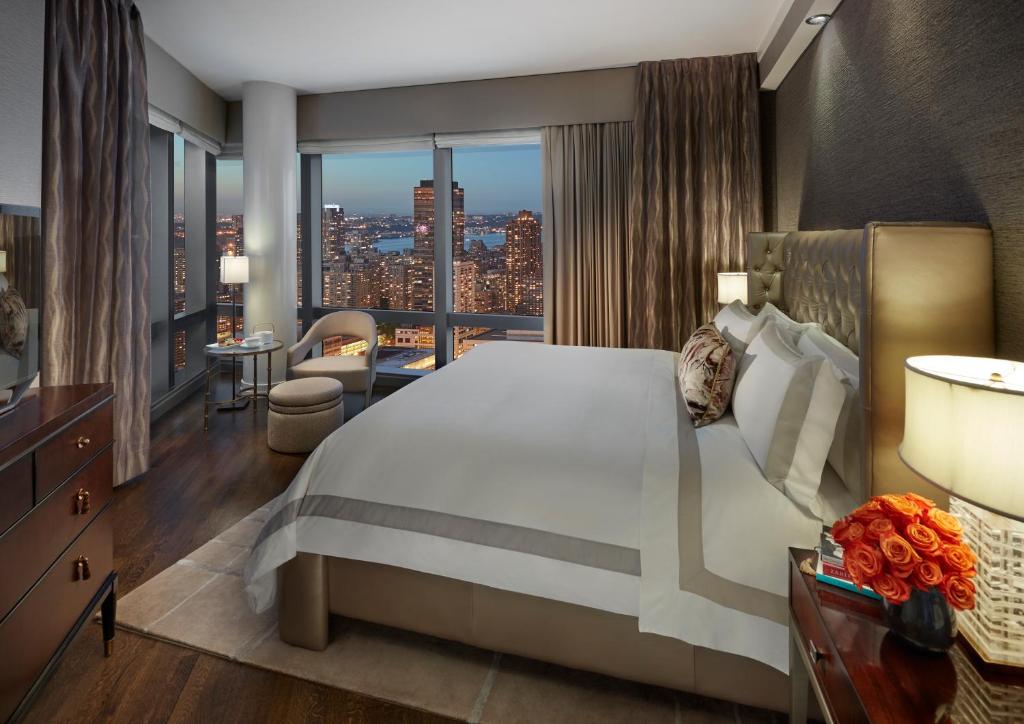
New York’s peak season runs June–August (driven by international visitors) and November–December (Thanksgiving and Christmas holidays). The cheapest period to book is mid-January through March. Staying outside Manhattan (Brooklyn, Queens, New Jersey) can save money, but factor in extra travel time — for short trips, staying in Manhattan is usually more efficient overall.
| Category | Peak Season | Off-Season |
| 2-star hotel | $100–$150 | $70–$120 |
| 3-star hotel | $150–$250 | $120–$180 |
| 4-star hotel | $300–$500 | $200–$300 |
| 5-star hotel | $500–$1,300 | $400–$700 |
| Hostel dorm | $50–$100 | $30–$60 |
Romantic Luxury Hotels (Couples)
- Trump International Hotel and Tower New York
- The Peninsula New York
- The Dominick Hotel
- Mandarin Oriental New York
- Four Seasons Hotel New York Downtown
Business Hotels
- Marriott Vacation Club, New York City
- Riu Plaza New York Times Square
- Fairfield Inn & Suites Manhattan/Times Square South
- Warwick New York Hotel
- San Carlos Hotel
Family Hotels
- Martinique New York on Broadway, Curio Collection by Hilton
- The Westin New York at Times Square
- Tempo by Hilton New York Times Square
- Hampton Inn Manhattan–35th St/Empire State Building
- AC Hotel New York Times Square
Budget-Friendly Hotels
Backpacker Hostels
Top Attractions
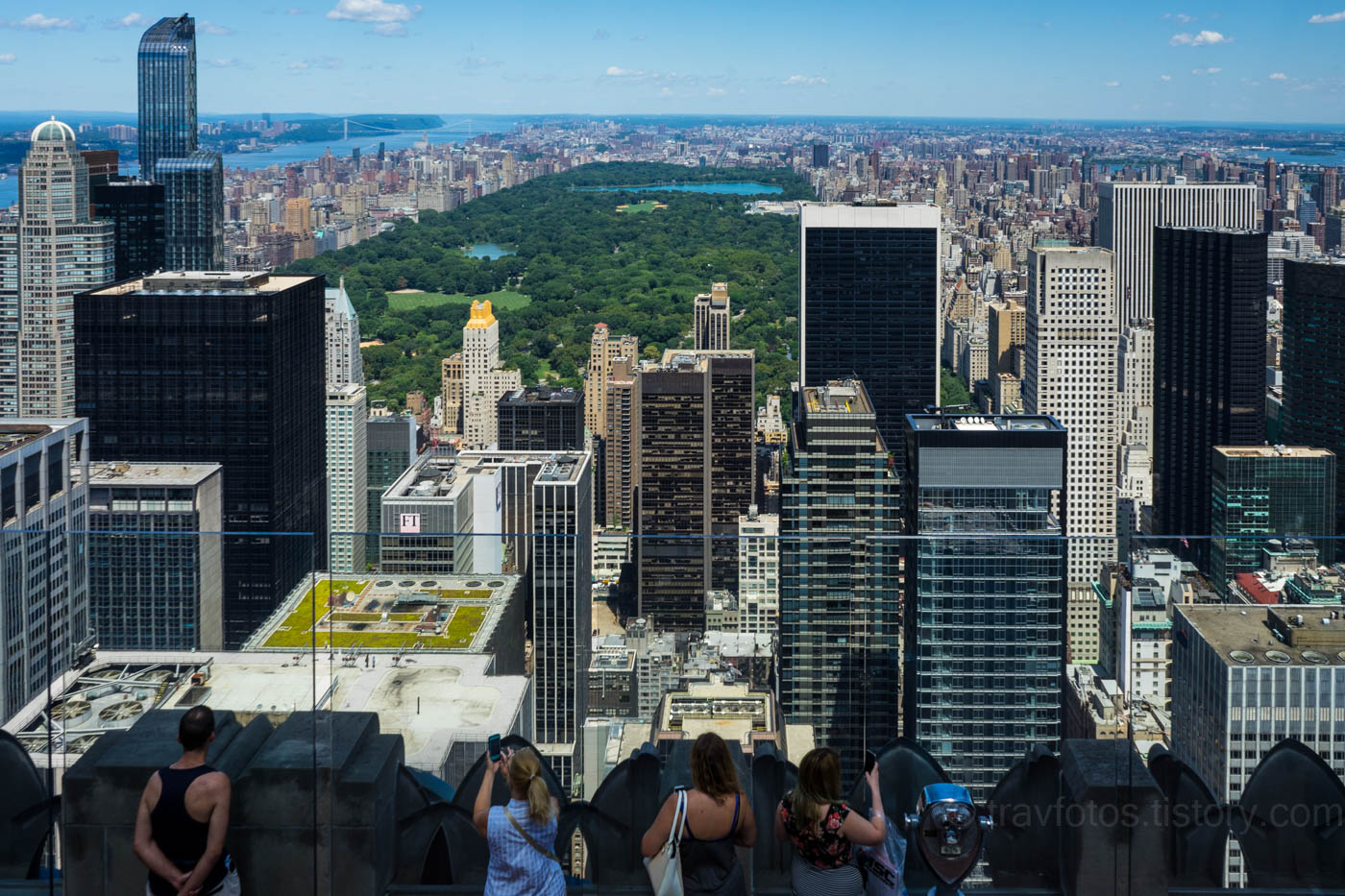
New York is a global leader in finance, fashion, music, art, theatre, literature, and architecture — the sheer number of things to see and do is staggering. No single trip can cover it all, but the landmarks below are unmissable.
To save money on attractions, consider the New York City Pass (admission to 5 top attractions) or the New York Explorer Pass (discounted entry to 2–10 attractions of your choice).
Statue of Liberty
The Statue of Liberty was gifted by the French people in 1886 to mark the centennial of American independence, and quickly became the defining symbol of freedom and welcome for millions of immigrants arriving by sea. Visitors can take an elevator to the pedestal level; reaching the crown requires climbing stairs and must be booked months in advance.
- Standard admission (includes round-trip ferry, Statue of Liberty Museum, Ellis Island Museum): $25.50
- Pedestal access: additional $24.30
- Crown access: additional $24.30 — book at least 3 months ahead
Staten Island Ferry
Around 22 million passengers ride this free commuter ferry each year — about 1.5 million of whom are tourists making the crossing purely for the views. The 25-minute crossing between Lower Manhattan (South Ferry) and Staten Island’s Richmond Terrace offers sweeping views of the harbour and the Statue of Liberty. Runs 24 hours. Fare: free.
Empire State Building
One of New York’s most iconic buildings, and its observatory is one of the city’s most visited attractions. Millions of visitors admire the city from the 86th- and 102nd-floor observation decks every year. During peak season, queues for tickets can be long — pre-booking is strongly recommended. Operating hours: daily 08:00–02:00.
Metropolitan Museum of Art (The Met)
America’s largest art museum, with a collection of over 2 million works spanning painting, sculpture, photography, and decorative arts from ancient Egypt, Europe, Asia, the Americas, ancient Greece and Rome, and the Islamic world — all across 17 curatorial departments. Given the sheer scale, it’s worth planning ahead and focusing on the collections that interest you most. A guided tour is a great way to make the most of a visit. Hours: Sun–Tue 10:00–17:30; Fri–Sat 10:00–21:00; closed Wednesday.
American Museum of Natural History
One of the world’s largest natural history museums, with approximately 32 million specimens and artefacts. Famous as the setting of the Night at the Museum film series, and hugely popular with children. Admission includes the Rose Center for Earth and Space. Hours: Wed–Sun 10:00–17:30.
Grand Central Terminal
One of New York’s essential landmarks — the world’s largest train station by number of platforms, with 44 tracks and 67 tracks. Built at the height of the American railroad era, its magnificent Beaux-Arts interior is impeccably preserved in its 1930s grandeur. The ceiling’s 2,500 stars and constellations rendered in gold leaf, and the famous opal clock (valued at over $20 billion) are among its most celebrated features. Admission: free.
Rockefeller Center
A major draw year-round, but especially beloved at Christmas when the iconic Christmas tree is lit and the outdoor ice rink opens. The Top of the Rock observation deck offers spectacular Manhattan views, and Radio City Music Hall hosts concerts and shows throughout the year. Top of the Rock hours: daily 09:00–23:00.
Central Park
New York’s great green oasis, visited by 42 million people a year. This 3.4 km² park is a refuge for New Yorkers and visitors alike — and one of the world’s most recognisable urban spaces thanks to its countless appearances in film and television. Visitors can picnic, attend free SummerStage concerts, or join one of the park’s free guided walking tours. Admission: free.
Broadway Musicals
Broadway’s 39 theatres make New York the world capital of live musical theatre, and for many visitors, catching a show is the highlight of the trip. Browse and book Broadway shows here.
Brooklyn Bridge
The Brooklyn Bridge spans the East River, connecting Lower Manhattan and Brooklyn Heights. Walking across it is one of New York’s most quintessential experiences — and a favourite backdrop for filmmakers. The Brooklyn Heights Promenade on the Brooklyn side offers sweeping views of the Lower Manhattan skyline.
9/11 Memorial & Museum
Built on the footprint of the Twin Towers, the Memorial bears the names of every victim of the September 11, 2001 attacks. Free outdoor video installations can be viewed in the Auditorium and Museum Pavilion. Memorial hours: daily 10:00–17:00. Museum hours: Thu–Mon 10:00–17:00. Admission: Adults $33 / Children $21. Buy tickets online, or use the NYC City Pass.
Must-Try Foods & Prices
New York has thousands of restaurants covering every cuisine, cooking style, and budget imaginable. Waves of immigration over more than a century have shaped a food culture of extraordinary variety — from Asian and Middle Eastern street food to world-class fine dining catering to the city’s ultra-wealthy. The diversity on your plate is one of New York’s greatest pleasures.
- Food courts & street food: $5–$15 per meal — cheap, quick, and incredibly varied
- Mid-range restaurants: $20–$40 per person for brunch or dinner
- Fine dining / tasting menus: $50–$150+ per person; Michelin-starred restaurants charge considerably more
Bagels
Bagels weren’t invented in New York, but New York made them famous worldwide. Eastern European Jewish immigrants brought their bagel recipes in the early 20th century, and the New York version — topped with cream cheese, smoked salmon, or other fillings — set the global standard. The distinctive chewiness comes from the traditional process of boiling the dough before baking. Typical price: $3–$6.
Pizza
With thousands of pizzerias, pizza is the city’s most democratic food. New York-style pizza — thin, wide slices of dough with tomato sauce, mozzarella, and one or two toppings — is sold by the slice and eaten on the go. It bears little resemblance to Neapolitan pizza but has arguably done more than any other style to spread pizza across the globe. Street slice: approximately $2–$5.
Hot Dogs
A quintessentially American food (brought by German immigrants), hot dogs are sold from carts and stands on virtually every block. Quick, filling, and easy. Price: $3–$7 from a street cart.
Pastrami Sandwiches
Another contribution of Eastern European Jewish immigration. Pastrami — beef brisket or round cured in brine and spices, then smoked and steamed — is sliced thick and piled high on rye bread. Portions are enormous and can easily be shared. Adding coleslaw on top is the traditional finishing touch. Expect to pay more, but get a lot for your money.
Burgers
The hamburger may have German roots (from Hamburg), but New Yorkers made it their own. From fast-food chains to high-end steakhouses, every neighbourhood has its own go-to burger joint.
Chinese Food
After the Gold Rush ended in the 1870s, large numbers of Chinese immigrants moved east across America. While Manhattan’s Chinatown is famous, Flushing in Queens is the real heart of Chinese cuisine in New York — dim sum and hand-pulled noodles are particular highlights.
The Cronut
Doughnuts have long been a New York staple, but pastry chef Dominique Ansel’s invention of the Cronut (a croissant-doughnut hybrid) in 2013 created a phenomenon — people still queue outside his bakery every morning to get one.
New York Cheesecake
New York cheesecake — dense, rich, made with cream cheese, eggs, sugar, and cream — is one of the city’s signature desserts. You’ll find it everywhere, but Junior’s is widely regarded as the benchmark. Price: approximately $6–$10 per slice.
Steak
New York is famous for its steakhouses, where cuts like ribeye, sirloin, and porterhouse are cooked to perfection using time-honoured methods. Price: $30–$60+ at a mid-range steakhouse; significantly more at a top-tier venue. Reservations are generally required.
Estimated Daily Budget
Solo Backpacker
| Item | Daily Cost |
| Hostel dorm | $30–$50 |
| 3 meals (street food/budget restaurants) | $10–$20 |
| Transport (1-day unlimited subway/bus pass) | $13 |
| Activities (free or low-cost attractions) | $0–$20 |
| Daily Total | ~$55–$100 |
Budget Couple (2 persons)
| Item | Daily Cost (2 persons) |
| Budget hotel (private room) | $120–$180 |
| 3 meals (local restaurants + street food) | $30–$50 |
| Transport (unlimited passes, 2 persons) | $26 |
| Activities (paid attractions) | $30–$60 |
| Daily Total (2 persons) | ~$210–$320 |
Family of Four
| Item | Daily Cost (4 persons) |
| Mid-range hotel / family apartment | $200–$350 |
| 3 restaurant meals (incl. brunch) | $60–$100 |
| Transport (unlimited passes, 4 persons) | $52 |
| Family attraction tickets (with discounts) | $60–$120 |
| Daily Total (4 persons) | ~$370–$620 |