
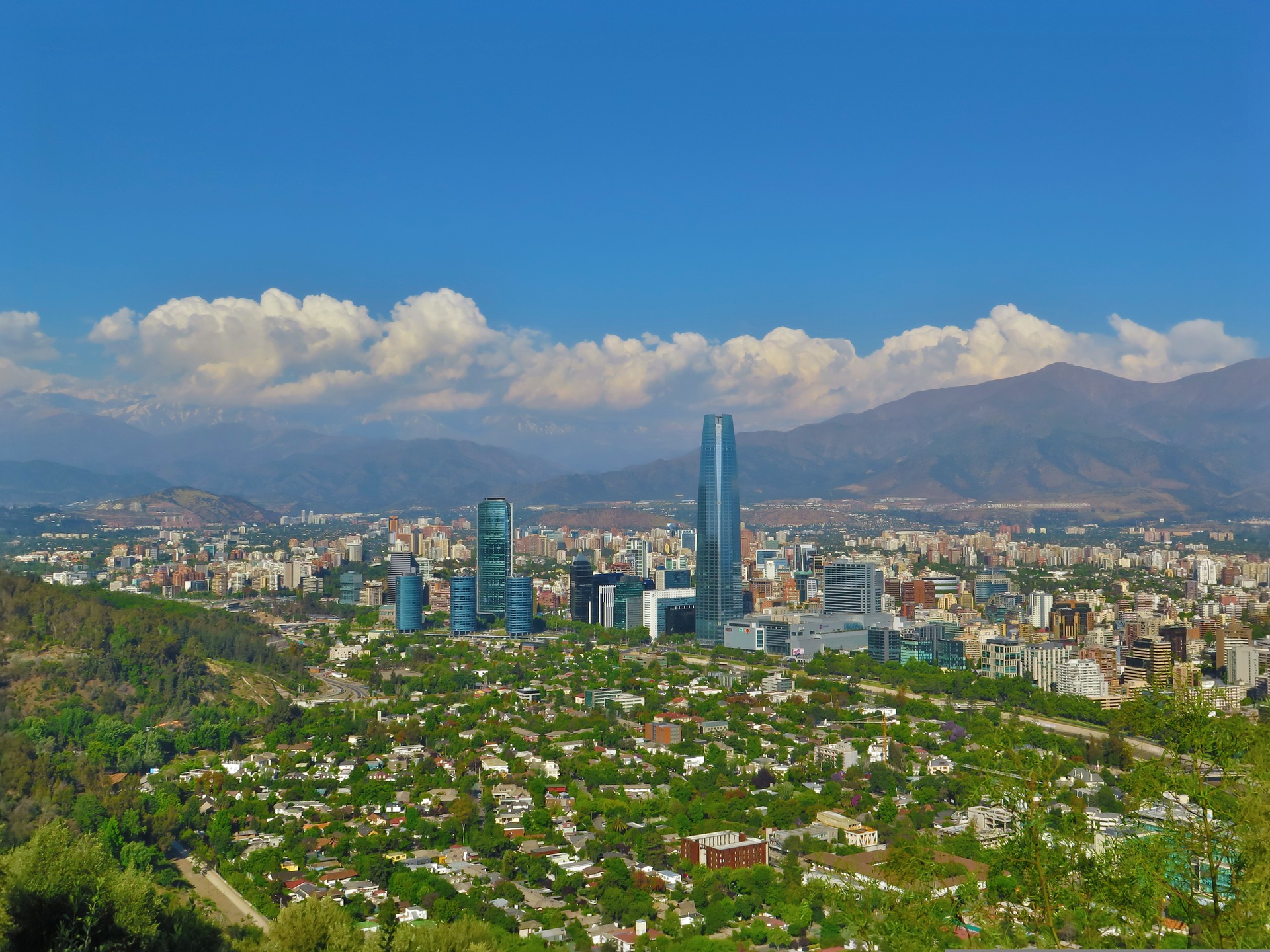
Santiago, the capital of Chile, is one of South America’s most captivating destinations — a city where the grandeur of the Andes Mountains meets modern urban life and centuries of rich heritage. It offers travelers an unforgettable experience where the old and the new coexist in perfect harmony.
As Chile’s economic, political, and cultural hub, Santiago brims with museums, art galleries, vibrant street scenes, and a diverse food culture. European-style architecture alongside contemporary skyscrapers creates a unique cityscape that bridges history and modernity.
Nature lovers will find endless joy in the surrounding Andes, the vineyards of the Maipo Valley, and the beautiful landscapes just outside the city. A trip to Santiago is more than visiting a single city — it’s an opportunity to experience the full richness and diversity of Chile.
Seasonal Weather & Best Time to Visit
Santiago has a Mediterranean climate and sits in the Southern Hemisphere, so its seasons are reversed from the Northern Hemisphere. Summers are hot and dry, while winters are mild and rainy.
Summer (December – February)
Average temperatures reach 25–30°C. Days are intensely sunny, though evenings cool down pleasantly.
Autumn (March – May)
Temperatures gradually drop to 10–25°C. Clear skies and refreshing breezes make this an excellent season for travel.
Winter (June – August)
Average temperatures range from 3–15°C. Rain is frequent, but the snow-capped Andes nearby make this the ideal time for skiing and winter sports.
Spring (September – November)
Temperatures warm back up to 10–25°C, bringing blooming flowers and renewed natural scenery.
Best Time to Visit
Autumn (March–May) and Spring (September–November) are the ideal times to visit. Mild weather and fewer tourists make outdoor activities especially enjoyable. Autumn is perfect for vineyard tours during the grape harvest season, while spring treats visitors to flowering Andean meadows. Summer (December–February) is great for festivals and outdoor events, and winter (June–August) attracts visitors who want to enjoy Andean ski resorts.
Visa & Entry
Many nationalities can enter Chile visa-free for up to 90 days. Check the current entry requirements for your passport with your country’s embassy or Chile’s immigration authority. Upon arrival, you should have a return ticket or onward flight to a third country, along with accommodation booking confirmations.
Getting to Santiago
Santiago International Airport (SCL)
Comodoro Arturo Merino Benítez International Airport is Chile’s main airport, located approximately 20 km from the city center — about a 30-minute drive. It serves as LATAM Airlines’ hub, with routes to all continents except Asia. Terminal 1 handles domestic flights, and Terminal 2 is dedicated to international arrivals and departures.
Airport Bus
Two bus services connect the airport to the city:
- CentroPuerto – Runs to Metro Los Héroes station. Operating hours: 06:00–23:30, departing every 20 minutes. Fare: 2,000 CLP. Journey time: 30–40 minutes.
- TurBus – A double-decker bus (more luggage space) running to Terminal Alameda. Operating hours: 05:30–00:00, every 20 minutes. Fare: 2,000 CLP.
Tickets for both can be purchased at booths near Gate C on the first floor of the terminal.
Taxi
Official taxis are black with yellow license plates. Pay at the official taxi counter inside the arrivals hall before exiting — this is the safest approach. Fare to the city center: 25,000–35,000 CLP, taking approximately 25–30 minutes. Avoid unofficial taxi drivers holding signs outside the terminal, as they may overcharge or pose safety risks.
Uber / Cabify (Ride-Hailing)
App-based ride-hailing services offer transparent pricing. Pickup is in a designated area within the parking structure. Fare: 15,000–28,000 CLP.
Shared Vans (Transvip / Delfos)
Shared shuttle vans operated by Transvip and Delfos offer door-to-door hotel drop-offs. You can book at the service desk after customs, or book online in advance. Fare: 7,000–9,500 CLP per person. Extra luggage fees may apply, and you may need to wait until the van fills up.
Intercity Bus Travel
Most Chilean cities are connected to Santiago by bus. Intercity buses are generally clean and comfortable. Santiago has five main bus terminals: Terminal Santiago, Terminal Alameda, Terrapuerto Los Héroes, Terminal San Borja, and Terminal Pajaritos — different companies use different terminals.
Major Bus Companies
- TurBus – Chile’s largest bus company, covering routes from the Atacama Desert in the north to Puerto Montt in the south
- Pullman Bus – Major competitor serving Santiago ↔ Valparaíso, Viña del Mar, and other key southern cities
- Condor Bus – Popular for southern routes including Pucón and Chiloé
- Jac Bus – Connects north and central regions; recommended for Atacama travelers
- Bus Norte – Useful for northern destinations (San Pedro de Atacama, Iquique, etc.)
Seat Classes
| Class | Description |
| Clásico | Standard seats; best for short trips |
| Semi-Cama | Reclining seats; comfortable for longer journeys |
| Salón Cama | Reclines to 160°; blanket and pillow included; great for overnight travel |
| Premium Cama | Fully flat (180°); includes meals; top-tier comfort |
Tickets
Book through major bus company websites or aggregator platforms like Recorrido.cl or PasajeBus.com. Advance booking is essential during peak periods (summer, Christmas, Easter).
Key Routes & Fares
| Route | Journey Time | Fare (CLP) |
| Santiago → Valparaíso | 1h 45m | 5,000–10,000 |
| Santiago → Pucón | 10h | 20,000–35,000 |
| Santiago → Puerto Montt | 12h | 25,000–50,000 |
| Santiago → San Pedro de Atacama | 24h | 50,000–100,000 |
Getting Around Santiago
Santiago’s public transportation is efficient and well-developed, making it easy to get around the city.
Tarjeta Bip! (Transit Card)
The Tarjeta Bip! card is the unified payment method for all metro and bus services, enabling free transfers between the two. Cards cost 1,550 CLP and can be purchased and topped up at metro station booths and authorized retailers. Each card is personal and cannot be shared — one card per person.
Metro
Santiago’s metro has 7 lines (Lines 1–7). It’s clean, punctual, and covers all major tourist areas and the city center.
Operating Hours:
- Weekdays: 6:00 AM – 11:00 PM
- Weekends & Holidays: 8:00 AM – 11:00 PM
Fares:
| Time | Fare |
| Off-peak (06:00–06:59 / 20:45–23:00) | 720 CLP |
| Regular (09:00–17:59 / 20:00–20:44) | 720 CLP |
| Peak (07:00–08:59 / 18:00–19:59) | 800 CLP |
Bus (Micros)
Santiago’s city buses operate under the Transantiago system, integrated with the metro fare structure. Board through the front door and tap your Bip! card. No tap required on exit. Free transfers between metro and bus within 2 hours are allowed (up to 2 transfers).
Colectivo (Shared Taxi)
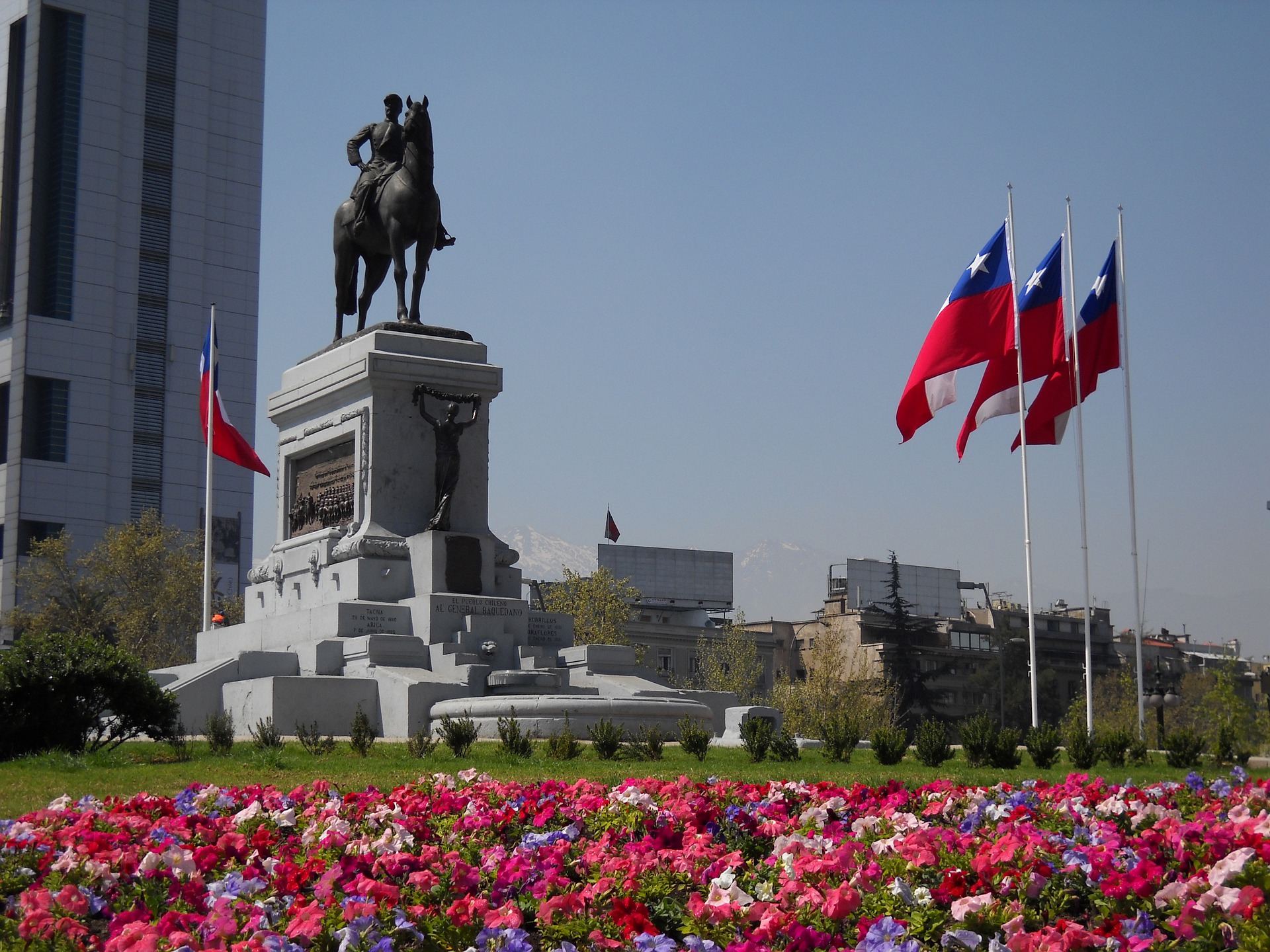
Fixed-route shared taxis, with many departing from Plaza Baquedano. Fare: 550–650 CLP.
Taxi
Black cars with yellow license plates. Fares use a meter. Base fare: 300 CLP + 130 CLP/km. Average city trip: 8,000–15,000 CLP.
Ride-Hailing (Uber, DiDi, Cabify)
Available throughout Santiago, with transparent upfront pricing and in-app payment. Slightly cheaper than taxis.
Bicycle
Santiago has excellent cycling infrastructure. Rental bikes are popular and cost approximately 3,000 CLP per day.
Accommodation
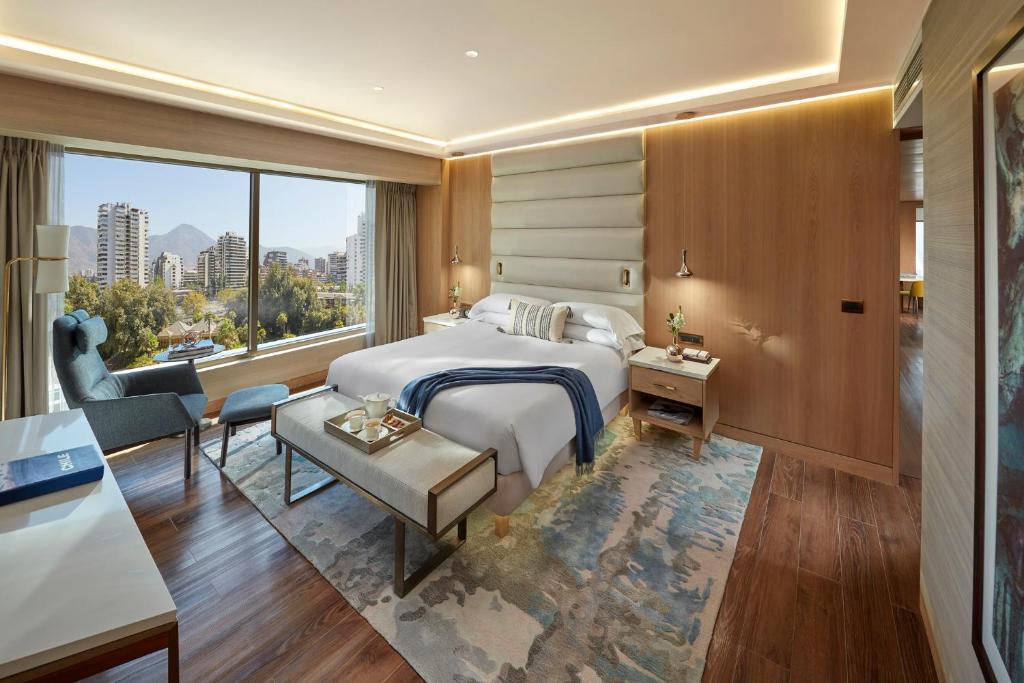
Santiago’s hotel high season runs from September through April, with January–February being the peak. Book early if visiting during this period. The low season (May–August) offers the best rates.
Romantic Luxury Hotels (Couples)
- The Ritz-Carlton Santiago
- The Singular Santiago Lastarria Hotel
- Mandarin Oriental, Santiago
- Hotel Magnolia Santiago
Family-Friendly Hotels
- Abba Presidente Suites Santiago
- Mercure Santiago Centro
- Hotel Neruda (Mr. Hotel)
- Pullman Santiago El Bosque
Budget-Friendly Hotels & Apartments
- Hotel Barrio Yungay
- Palacio Suite Departamento vista Torre Entel
- Apart Galdamez
- Departamentos Alto Moneda
Backpacker Hostels
Top Attractions
Plaza de Armas
The historic heart of Santiago since its founding in 1541 — the city’s “zero point.” Surrounded by the Metropolitan Cathedral, the Central Post Office, and the National History Museum, this lively square fills daily with street performers and musicians.
Cerro San Cristóbal
Standing at approximately 880 m, this hill is accessible by a vintage cable car and topped by a 22-m statue of the Virgin Mary. The Metropolitan Park here offers 360-degree panoramic views of the city and the Andes — especially breathtaking at sunset.
Cerro Santa Lucía
A colonial-era landmark in the heart of the city, combining European garden design with Chilean flora. Quieter and more romantic than San Cristóbal, with great views of the city and surrounding mountains from the hilltop.
Catedral Metropolitana de Santiago
Built from the mid-16th century, this is Chile’s most important religious structure, featuring impressive twin neoclassical towers. Located on Plaza de Armas, it is open to visitors free of charge.
Sky Costanera
The observation deck at 300 m on Gran Torre Santiago — the tallest building in South America. Accessible by a high-speed elevator in under one minute, floors 61 and 62 offer 360-degree views across the entire city.
Museo Nacional de Bellas Artes (National Fine Arts Museum)
Opened in 1910 and inspired by Paris’s Petit Palais, this national monument houses over 5,000 works focused on Chilean and Latin American art from the colonial era through the 20th century. Free admission. The fully glass ceiling fills the interior with beautiful natural light.
Palacio de La Moneda
Chile’s neoclassical presidential palace, built between 1784 and 1805. Interior visits are possible by guided tour only. Nearby, the Centro Cultural La Moneda hosts exhibitions by Latin American artists and photographers open to the public.
Bellavista Neighborhood
Santiago’s bohemian art hub — home to Pablo Neruda’s famous house, colorful murals, boutique shops, and handicraft markets. Located at the foot of Cerro San Cristóbal, it’s packed with cafés, restaurants, and galleries.
Lastarria Neighborhood
A cultural and culinary district filled with museums, independent restaurants, wine boutiques, and cobblestone streets lined with elegant architecture. Located between Bellavista and the historic Centro — safe, stylish, and beloved by foodies and art lovers.
Bellas Artes Neighborhood
A creative district home to the National Fine Arts Museum, featuring vibrant street murals, riverside parks, and a relaxed yet lively atmosphere with plenty of cafés and restaurants.
Food & Dining
Santiago’s food culture reflects Chile’s extraordinary geography — from the world’s driest desert in the north to pristine Patagonian waters in the south, the world’s longest coastline to the west, and fertile central valleys. Indigenous Mapuche traditions, Spanish colonial influences, and modern international cuisine blend into something truly unique, best enjoyed alongside Chilean wine or the national spirit, Pisco.
Breakfast (Desayuno)
| Dish | Price (CLP) |
| Toast + jam/butter | 2,000–3,500 |
| Scrambled eggs + marraqueta (traditional baguette) | 5,000–8,000 |
| Poached eggs + avocado toast | 7,000–12,000 |
| Coffee + pastry | 4,000–7,000 |
Lunch (Almuerzo)
Lunch is the main meal of the day, often served in multiple courses. The Menú del Día (set lunch menu) offers a complete meal for just 5,500–8,500 CLP — the most popular option among locals.
| Dish | Description | Price (CLP) |
| Pastel de Choclo | Beef and corn casserole | 8,000–15,000 |
| Caldillo de Congrio | Traditional fish soup | 12,000–20,000 |
| Cazuela | Beef or chicken stew | 7,000–12,000 |
| Ceviche | Fresh marinated fish | 10,000–18,000 |
| Paila Marina | Seafood soup | 15,000–25,000 |
| Empanada + salad | Classic combo | 8,000–14,000 |
Evening Snack & Dinner (Once / Cena)
“Once” is Chile’s beloved late-afternoon snack tradition, often doubling as dinner. Most Chilean families skip a formal dinner after “once.” Restaurant dinners tend to cost 25–30% more than lunch.
| Item | Price (CLP) |
| Ham & cheese sandwich | 4,000–7,000 |
| White wine + cheese board | 8,000–15,000 |
| Main course | 12,000–20,000 |
| Steak | 18,000–30,000 |
| Fish / Seafood | 15,000–25,000 |
Daily Budget Estimates
Solo Backpacker – 42,000–57,000 CLP/day
| Item | Cost (CLP) | Notes |
| Hostel dorm bed | 15,000 | |
| Breakfast | 2,000–3,000 | From hostel or café |
| Lunch | 7,000 | Local set menu |
| Dinner | 6,000 | Completo, sandwich, or once |
| Snacks/drinks | 4,000 | |
| Transport | 3,000 | 3–4 metro rides |
| Sightseeing | 0–7,000 | One paid attraction |
Budget Couple – 184,000–220,000 CLP/day
| Item | Cost (CLP) | Notes |
| Mid-range hotel (double) | 75,000–90,000 | |
| Breakfast | 10,000 | Café breakfast |
| Lunch | 36,000 | Restaurant main courses |
| Dinner | 70,000 | Mains + Chilean wine |
| Snacks/drinks | 12,000 | |
| Transport (2 people) | 8,860 | 4–5 metro rides each |
| Sightseeing (2 people) | 0–16,000 |
Currency & Money
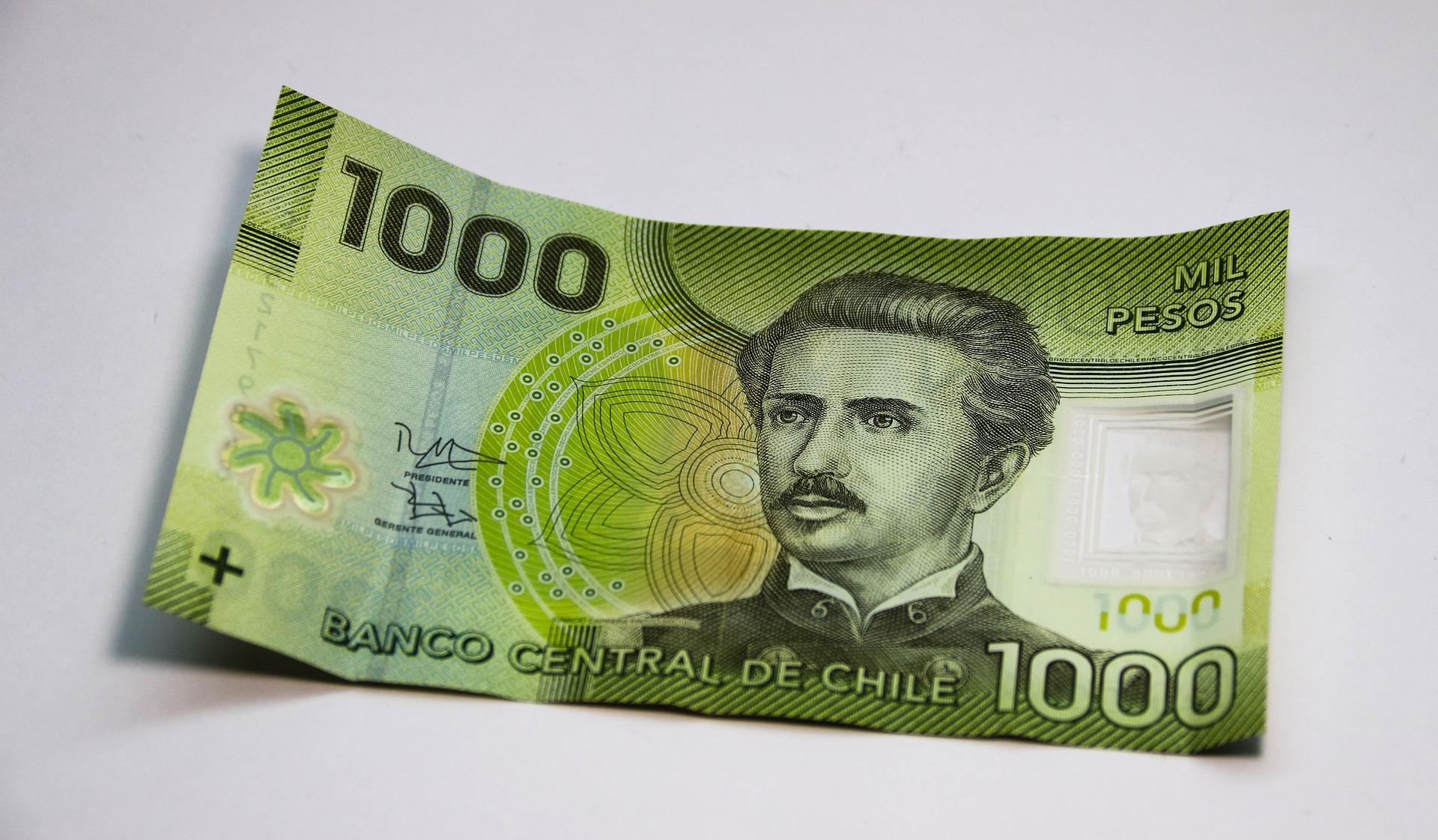
Chile’s official currency is the Chilean Peso (CLP). Banknotes come in 1,000 / 2,000 / 5,000 / 10,000 / 20,000 peso denominations; coins in 10, 50, 100, and 500 pesos.
Where to Exchange Money
- Airport exchange offices – Convenient upon arrival but offer poor rates; exchange only a small amount for immediate needs
- City exchange offices (Casa de Cambio) – Much better rates; Agustinas Street has many competing exchange offices; also available near Lastarria and Bellas Artes neighborhoods
- ATMs – Available throughout the city; Visa and Mastercard widely accepted; be aware of both ATM fees and your bank’s foreign transaction fees
Credit Cards
Visa, Mastercard, and American Express are accepted at most restaurants, hotels, and shopping centers. Hotels and travel agencies sometimes charge more for card payments. Always carry some cash for small purchases.
FAQ
Q1. Is Santiago safe? Is pickpocketing really common?
Santiago is relatively safe by South American standards, though you should exercise the same caution you would in any major European city. Pickpocketing and petty theft do occur, but most tourists travel without incident by following basic common sense.
Key tips:
- Avoid walking alone late at night
- Use only official taxis booked at the counter inside the arrivals hall
- Watch your belongings in crowded areas (markets, metro)
- Ride-hailing apps are a safer alternative to hailing cabs on the street
Q2. Is Santiago’s tap water safe to drink?
Yes — Santiago’s tap water meets international quality standards and is safe to drink. Travelers with sensitive stomachs may prefer bottled water for the first few days until they adjust, but it is generally not necessary.
Q3. Do people speak English in Santiago?
English is commonly spoken at tourist-oriented businesses, but Spanish is essential for everyday interactions with locals. Learning a few basic Spanish phrases goes a long way — locals genuinely appreciate the effort.