
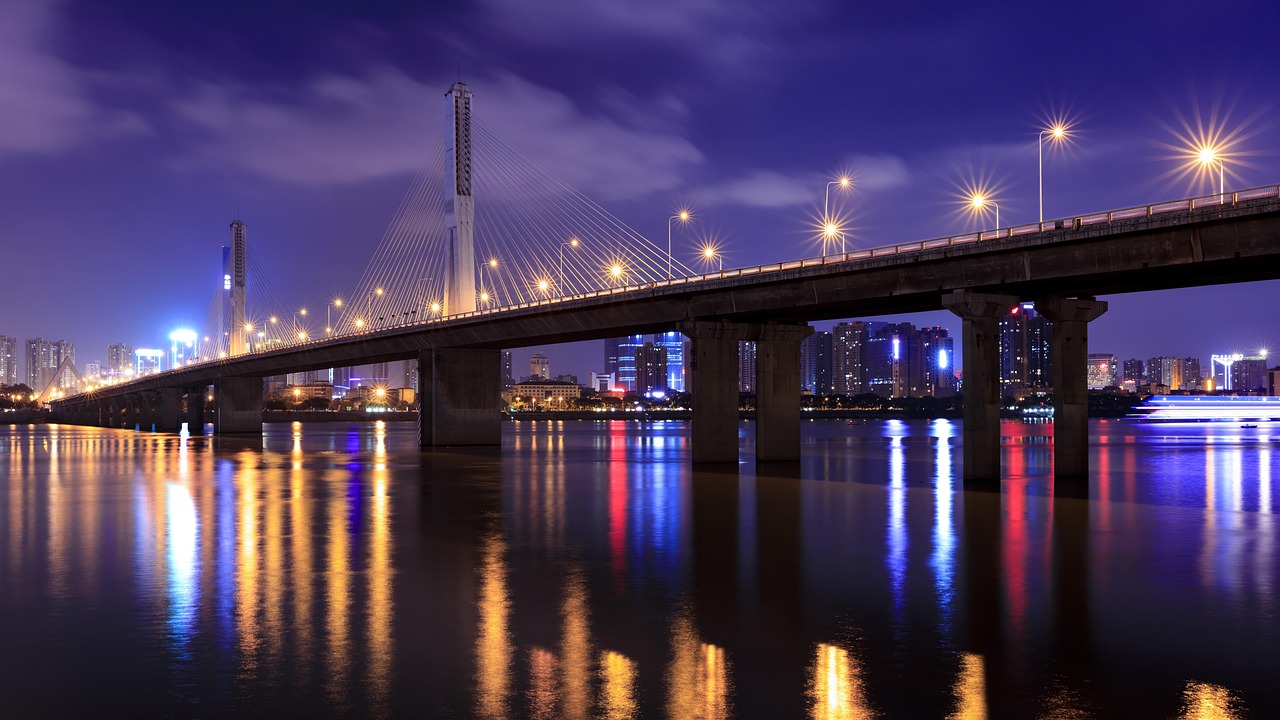
Changsha (長沙) has a subtropical monsoon climate with four distinct seasons, though spring and autumn are short while summer and winter tend to linger. The city’s annual average temperature is around 17.7°C, with generous annual rainfall of approximately 1,451mm. Due to its basin geography, summers are extremely hot and humid — with highs frequently exceeding 33°C — earning Changsha a spot among China’s famous “Four Furnaces of the South.” Winters, by contrast, are colder than cities at the same latitude, with temperatures occasionally dipping to around 2°C. Rainfall is spread fairly evenly throughout the year, peaking in June and reaching its lowest point in December.
Seasonal Weather in Changsha
Spring (March – May)
Spring in Changsha is a season of gradual warming and blossoming landscapes, though frequent weather changes and heavy rainfall are common. In March, average highs reach around 18°C with lows near 8°C, and the daily chance of rain hovers around 50% — always carry an umbrella. By April, temperatures climb rapidly and some days can feel almost summer-like, while May sees average highs reaching 31°C, signaling the onset of early summer heat. The large daily temperature swings and persistent humidity make layering essential throughout the spring months.
Summer (June – August)
Summer in Changsha lives up to its “furnace” reputation — hot, humid, and relentless. June sees the highest rainfall probability of the year at around 59% per day, with frequent downpours reminiscent of monsoon season. July averages a high of 32°C and a low of 25°C, while August pushes highs past 33°C with a heat index well above 31°C. The basin terrain traps heat and moisture, making heat stroke a real concern — breathable clothing and sun protection are non-negotiable for outdoor activities.
Autumn (September – November)
Autumn is widely regarded as the most pleasant season in Changsha, with the heat fading and clear, dry days taking over. September still sees highs around 30°C, but by October temperatures settle to a comfortable 24°C high and 14°C low, with rainfall probability dropping to just 26%. From November onward, temperatures fall quickly, with lows dipping to around 8°C and larger daily swings — a warm outer layer becomes increasingly necessary. The autumn foliage and brilliant blue skies make this the ideal season for exploring the city.
Winter (December – February)
Changsha winters are notably colder than other cities at the same latitude, with damp, overcast conditions dominating the season. December brings highs of around 12°C and lows near 2°C, while January — the coldest month — can see highs of just 10°C and lows approaching 1°C. Snow is rare, but the combination of moisture and cold creates a biting chill that cuts deeper than the thermometer suggests. December is the driest month of the year with a rainfall probability of only 21%, but proper winter gear and well-heated accommodation remain essential.
Best Time to Visit Changsha
The best time to visit Changsha is spring (March–May) and autumn (September–November), when mild temperatures and pleasant conditions make sightseeing and outdoor activities enjoyable.
Spring (March–May) — Flowers & Fresh Energy
As the city comes alive with blossoms, spring offers a vibrant and picturesque backdrop for exploring Changsha. Temperatures ranging from 18°C to 31°C are generally comfortable for outdoor sightseeing, and April in particular is considered the sweet spot — beautiful scenery meets ideal weather. That said, rain is frequent throughout the season, so pack a compact umbrella and a light waterproof layer at all times.
Autumn (September–November) — Clear Skies & Peak Season
Autumn is the undisputed highlight of Changsha’s travel calendar, with crisp air, vibrant foliage, and sunshine-filled days. October stands out as the finest month: highs of 24°C, lows of 14°C, only 26% daily rainfall probability, and an average of 11.5 hours of sunlight make it perfect for both outdoor adventures and cultural exploration. The scenery reaches its seasonal peak, and the comfortable climate allows for full days of activity without the exhaustion of summer heat.
Times to Avoid
Summer (June–August) brings temperatures exceeding 33°C combined with frequent heavy downpours, severely limiting outdoor enjoyment. Winter (December–February) offers the driest conditions of the year but comes with biting, damp cold — January lows can reach 1°C — requiring thorough preparation. Budget-conscious travelers willing to brave the cold (outside of Chinese New Year) may find winter to be an affordable off-season option.
Monthly Weather & What to Wear
January
January is the coldest month of the year, with average highs around 10°C and lows near 1°C. High humidity amplifies the chill, and overcast skies with occasional light rain or sleet are common.
What to Wear: Heavy puffer coat, wool turtleneck sweater, thermal base layers, thick trousers, scarf, gloves, and winter boots.
February
The cold persists into February, though temperatures begin to inch upward, reaching average highs of around 12°C. Damp and cloudy days remain frequent, and the city buzzes with activity during the Lunar New Year holiday.
What to Wear: Long wool overcoat or padded jacket, sweater, thermal inner layers, and waterproof footwear.
March
Spring arrives in March, with temperatures rising to average highs of 18°C and lows of 8°C, though significant daily temperature swings are common. Rain is frequent, so an umbrella is a daily must-have.
What to Wear: Light padded jacket or windbreaker layered over a long-sleeve shirt, slim trousers, and waterproof shoes or sneakers.
April
April sees temperatures climb quickly to average highs of 24°C, bringing fully bloomed spring scenery. Temperature swings remain wide and brief showers can appear without warning.
What to Wear: Light long-sleeve shirt or blouse with a thin jacket or wind-breaker, and always carry a compact folding umbrella.
May
May heats up fast, with average highs hitting 31°C and early summer conditions taking hold. Humidity rises noticeably and overcast days make outdoor activity feel more draining.
What to Wear: Short-sleeve t-shirt with lightweight long trousers, plus a compact umbrella and light waterproof jacket for sudden showers.
June
June marks the peak of the rainy season, with a daily rainfall probability of around 59% and frequent heavy downpours. Highs top 32°C and combined with high humidity, the heat index regularly feels above 31°C.
What to Wear: Breathable short-sleeve tops, shorts, a wide-brimmed hat, sunglasses, and sandals — a waterproof umbrella or rain poncho is essential.
July
July is the hottest and most oppressive month, with highs of 32°C and lows of 25°C — tropical nights are common. The basin’s geography locks in heat, making the “furnace” nickname very real, and the risk of heat stroke is high.
What to Wear: Quick-dry athletic shirts and shorts, cap, sunglasses, sunscreen, and sports sandals. Bring a light cardigan for heavily air-conditioned indoor spaces.
August
August rivals July in intensity, with highs exceeding 33°C and a heat index that pushes even higher. Heavy showers still occur intermittently, though less frequently than in June.
What to Wear: Same as July — breathable short-sleeve tops, shorts, sun hat, sunglasses, sunscreen, and an umbrella for unexpected showers.
September
September marks the gradual retreat of summer, with highs settling around 30°C and more sunny, pleasant days returning. Rainfall probability drops noticeably, and the city begins to feel refreshing again.
What to Wear: Short-sleeve t-shirt as a base, with a light long-sleeve layer or cardigan for cooler mornings and evenings.
October
October is the crown jewel of Changsha’s travel season — highs of 24°C, lows of 14°C, just 26% daily rainfall probability, and 11.5 hours of sunshine per day. Autumn foliage is at its peak and conditions are ideal for all-day exploring.
What to Wear: Long-sleeve shirt with a light jacket or cardigan, slim jeans, and comfortable walking shoes. Bring a slightly warmer layer for evenings.
November
November sees temperatures drop steadily, with average highs of 17°C and lows near 8°C. Overcast days increase and the latter half of the month begins to feel distinctly wintry.
What to Wear: Warm jacket or mid-length coat, knit sweater, thick trousers, and a scarf for cooler outings.
December
December is the driest month of the year with only 21% daily rainfall probability, but cold and damp conditions dominate — highs of 12°C and lows near 2°C make the chill feel especially sharp.
What to Wear: Heavy puffer coat, thermal base layers, wool sweater, thick trousers, beanie, scarf, gloves, and warm waterproof boots.
Monthly Climate Data at a Glance
| Month | Avg High | Avg Low | Rainfall | Rain Probability |
| January | 10°C | 1°C | ~68mm | ~35% |
| February | 12°C | 3°C | ~90mm | ~40% |
| March | 18°C | 8°C | ~130mm | ~50% |
| April | 24°C | 14°C | ~155mm | ~52% |
| May | 31°C | 19°C | ~185mm | ~55% |
| June | 32°C | 23°C | ~215mm | ~59% |
| July | 32°C | 25°C | ~175mm | ~50% |
| August | 33°C | 25°C | ~140mm | ~45% |
| September | 30°C | 20°C | ~85mm | ~35% |
| October | 24°C | 14°C | ~65mm | ~26% |
| November | 17°C | 8°C | ~75mm | ~30% |
| December | 12°C | 2°C | ~45mm | ~21% |