
Varanasi experiences a tropical wet climate with dramatic swings in temperature and rainfall throughout the year. The city is broadly divided into four seasons: spring (February–April), when the weather is mild and pleasant; summer (April–June), when temperatures soar past 40°C and can peak as high as 47°C; monsoon season (July–September), when heavy rainfall driven by the monsoon brings high humidity and rainfall probabilities up to 60% in August; and winter (November–February), when cool, dry conditions with lows around 9°C make it the most comfortable time for sightseeing. Annual rainfall is close to 1,000mm, concentrated almost entirely in the monsoon months.
Weather by Season
Winter (November – February)
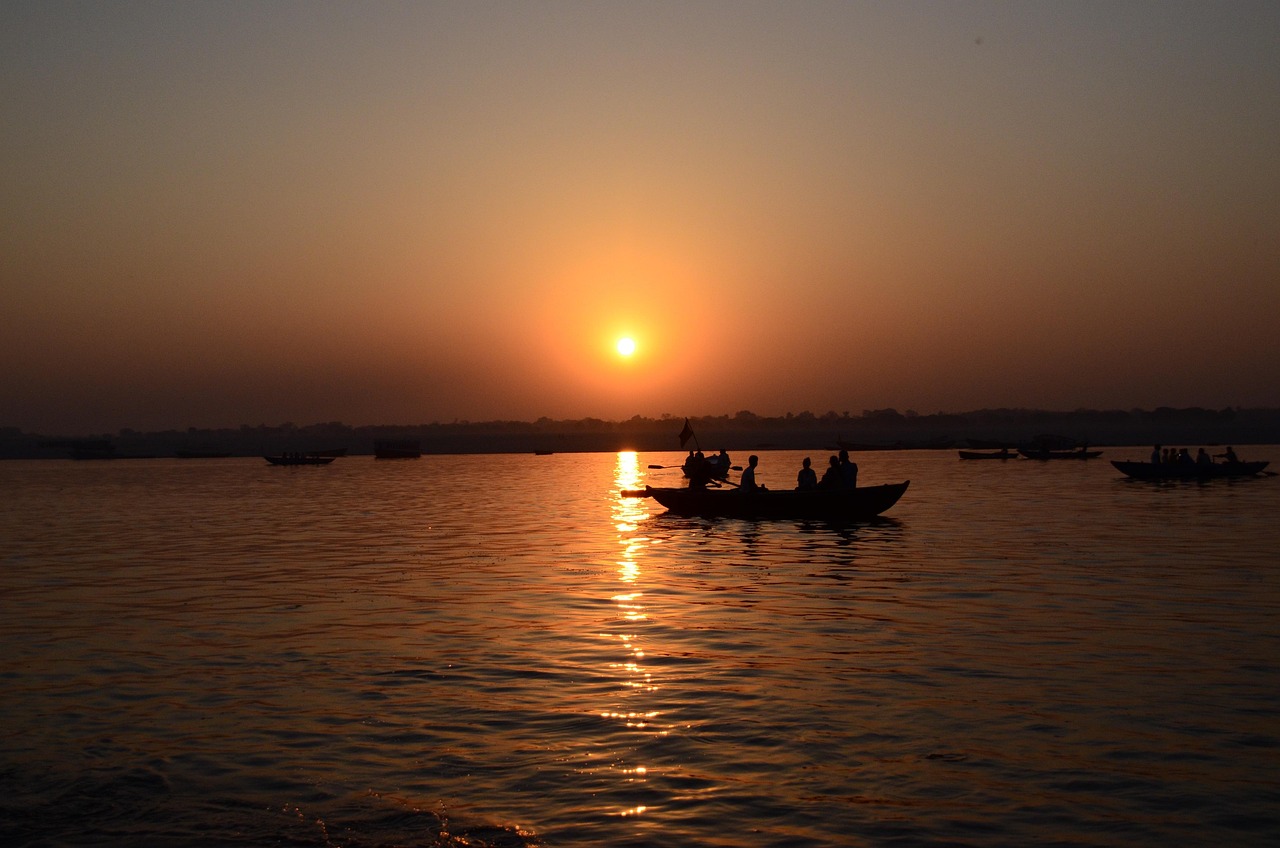
Winter is the most comfortable and rewarding season to visit Varanasi. Daytime temperatures sit between 15–25°C, but nights and early mornings can dip to 5–9°C, so a light jacket is essential. Skies are clear and rainfall is minimal — perfect conditions for catching the sunrise from the ghats along the Ganges or exploring the city on foot. This is also peak tourist and pilgrimage season, so expect large crowds.
Spring (March – April)
Spring marks the transition from cool, pleasant weather to intense heat. Average daytime temperatures climb from 25°C to as high as 39°C by late April. The skies remain mostly sunny with very little rain, but hot, dry winds make staying hydrated and wearing sun protection essential for any outdoor activity.
Summer (May – June)
Varanasi’s summer is one of the most punishing in the country. Daytime highs regularly exceed 40–44°C, with occasional spikes to 47°C. As June approaches, the advancing monsoon pushes humidity sharply upward, making the heat feel far more oppressive than the thermometer suggests. This is considered the off-season and is best avoided for travel.
Monsoon / Rainy Season (July – September)
The full monsoon arrives in July, bringing a dramatic surge in rainfall. August is the wettest month, with a daily chance of rain reaching 60% and heavy downpours throughout the day. Temperatures ease slightly compared to summer, but extreme humidity keeps the heat index high. The Ganges water level rises significantly and some ghats may flood. Like summer, this period is generally unsuitable for tourism.
Best Time to Visit Varanasi
The best time to visit Varanasi is during the dry winter season from October to March. Temperatures remain a comfortable 15–30°C with low humidity — ideal for walking the ghats, attending evening Ganga Aarti ceremonies, and exploring the ancient alleyways of the old city. One of Varanasi’s most iconic experiences — a sunrise boat ride on the Ganges — is best enjoyed during this dry period when conditions are safe and the river is calm.
November to February is the absolute peak season. The spectacular Hindu festival of lights, Diwali, and the sacred Makar Sankranti bathing festival both fall within this window, offering a vibrant, deeply spiritual atmosphere unique to Varanasi. Accommodation and transport fill up fast, so advance booking is strongly recommended.
Early March to early April offers a quieter alternative, with thinner crowds and the chance to witness the joyful Holi festival. However, once mid-April arrives, temperatures climb rapidly, so it’s best to plan any spring visit for the earlier part of the season. Summer (April–June) and the monsoon (July–September) are best avoided due to extreme heat and heavy rain respectively.
Monthly Weather & What to Wear
January
January is the coldest month in Varanasi, with daytime highs of 18–22°C and temperatures dropping to 7–9°C at night and in the early morning. Fog is common and rainfall is negligible.
What to wear: Long-sleeve shirts or light knitwear during the day; a thick jacket or puffer coat for mornings and evenings. Pack a scarf or muffler for warmth.
February
The cold eases in February, with daytime temperatures rising to 22–27°C and nights remaining around 10–15°C. Expect plenty of sunshine and clear skies — excellent for outdoor sightseeing.
What to wear: Long-sleeve T-shirts or light shirts during the day; a cardigan or thin jacket for mornings and evenings.
March
Temperatures climb quickly in March, with daytime highs of 27–33°C. The festive Holi celebrations bring color and energy to the streets. Skies stay clear and conditions are dry.
What to wear: Short-sleeve T-shirts or thin cotton tops; UV rays intensify this month, so a hat and sunglasses are a must.
April
Real summer heat kicks in during April — daytime highs reach 35–39°C, with some days pushing past 40°C by the end of the month. Hot, dry winds amplify the felt temperature.
What to wear: Breathable, light-colored cotton short-sleeve clothing; sunscreen, sunglasses, and a hat are non-negotiable for any outdoor activity.
May
May is the hottest and driest month of the year, with daytime highs of 42–44°C. Hot, dusty winds blow across the city and outdoor activity becomes genuinely exhausting.
What to wear: Loose, lightweight cotton clothing that covers the body to block direct sun. Stay well hydrated and consider a cooling towel or neck scarf.
June
The approaching monsoon brings occasional showers, but temperatures remain high at 38–43°C. Humidity rises steeply and the combination of heat and moisture creates an intensely uncomfortable environment.
What to wear: Light moisture-wicking fabrics; carry a compact umbrella or poncho for sudden downpours.
July
Full monsoon season begins in July, with rainfall increasing sharply and heavy showers occurring multiple times a day. Daytime highs drop slightly to 32–35°C, but extreme humidity keeps the heat index very high.
What to wear: Quick-dry fabrics and waterproof sandals or flip-flops; a rain jacket or waterproof umbrella is essential.
August
August is the peak of the monsoon — the wettest month of the year, with a daily rain probability of 60%. Temperatures hover around 33°C but feel much hotter due to very high humidity.
What to wear: Lightweight quick-dry layers; wear waterproof footwear and always carry a rain jacket.
September
The monsoon gradually retreats in September and rainfall begins to ease. Daytime highs remain around 33–35°C and humidity slowly decreases.
What to wear: Breathable cotton or linen clothing for the lingering heat and humidity; keep an umbrella handy for intermittent showers.
October
October brings clear skies as the monsoon ends, with daytime temperatures settling at 28–34°C. The dazzling Diwali festival of lights transforms Varanasi into a magical spectacle.
What to wear: Light short-sleeve tops during the day; bring a cardigan or thin long-sleeve shirt for cooler evenings.
November
November marks the true start of the prime travel season. Daytime temperatures range from 22–28°C and nights cool down to 12–15°C. Skies are clear and the air is fresh — outdoor exploration is a pleasure.
What to wear: Long-sleeve shirts or light cotton T-shirts during the day; a light jacket or cardigan for mornings and evenings.
December
December is one of the coldest months alongside January, with daytime highs of 22–27°C and nights dropping to 9–12°C. Morning fog is common, but rainfall is almost nonexistent — great conditions for sightseeing.
What to wear: Long-sleeve tops or light knitwear during the day; a warm jacket or puffer for mornings and evenings. When visiting temples or ghats, wear clothing that covers the shoulders and knees as a mark of respect.
Monthly Climate Data
| Month | Avg High (°C) | Avg Low (°C) | Rainfall (mm) | Rainy Days | Avg Humidity (%) |
| January | 22 | 9 | 16 | 1.5 | 65 |
| February | 27 | 12 | 22 | 1.7 | 52 |
| March | 33 | 17 | 11 | 1.2 | 37 |
| April | 39 | 22 | 7 | 0.8 | 28 |
| May | 40 | 26 | 14 | 1.4 | 32 |
| June | 39 | 28 | 101 | 5.2 | 51 |
| July | 34 | 27 | 305 | 12.3 | 74 |
| August | 33 | 26 | 283 | 12.9 | 79 |
| September | 33 | 25 | 225 | 8.6 | 78 |
| October | 33 | 21 | 33 | 1.9 | 71 |
| November | 29 | 15 | 6 | 0.3 | 69 |
| December | 24 | 10 | 4 | 0.3 | 70 |