
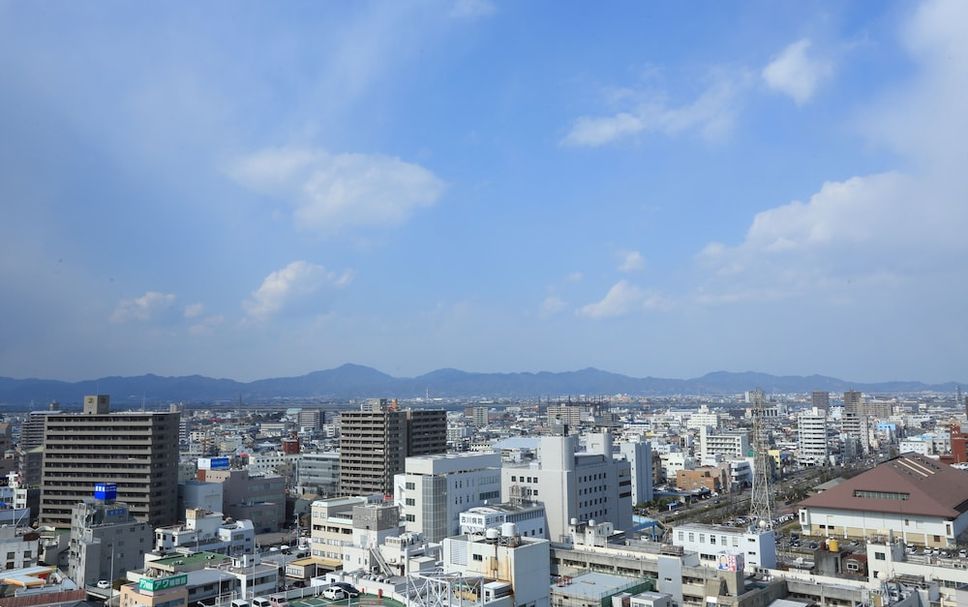
Tokushima falls under a humid subtropical climate (Köppen Cfa), with an annual average temperature of approximately 16.8°C. The city experiences four distinct seasons while remaining generally mild throughout the year. Spring brings a gradual rise in temperatures that still calls for a light jacket, summer is hot and humid with a rainy season pushing August highs to 31°C, typhoon season concentrates the heaviest rainfall in September, and winter stays relatively warm though the morning and evening chill still calls for proper cold-weather layers.
Seasonal Weather in Tokushima
Spring (March – May)
Tokushima’s spring warms up slowly from March onward. Average highs sit around 14°C in March before climbing to 24°C by May, bringing genuinely spring-like conditions. Temperatures fluctuate noticeably and cool days are still common, so keeping a light outer layer handy is recommended. Rainfall increases gradually through the season, and late March to early April — when cherry blossoms bloom — is widely considered one of the most pleasant times to visit.
Summer (June – August)
Summer is the hottest and most humid season in Tokushima. The rainy season (tsuyu) begins in June, causing a sharp rise in precipitation, and temperatures from July onward regularly exceed 31°C with persistently high humidity. Tropical nights are not uncommon, making breathable clothing, adequate hydration, and strong sunscreen essential. For outdoor activities, early morning or evening hours are the most comfortable time to be outside.
Autumn (September – November)
September marks the peak of annual rainfall — reaching 307–370mm — under the influence of typhoons, so caution is advised early in the season. From October, temperatures cool to a pleasant high of around 23°C, dropping further to 18°C in November with increasingly clear and dry days perfect for outdoor activities and autumn foliage viewing. As the temperature gap between day and night widens after October, a light jacket or cardigan should always be within reach.
Winter (December – February)
Tokushima’s winter is milder than most parts of Japan, with January lows averaging only 2–3°C and sub-zero temperatures being rare. Rainfall is at its annual lowest — just 38–45mm in December — and sunny days are plentiful. Light snowfall is possible in January and February, though uncommon. Despite relatively mild daytime temperatures, wind chill in the mornings and evenings can feel quite sharp, so a coat, gloves, and a scarf are still important.
Best Time to Visit Tokushima
The best times to visit Tokushima are spring (April–May) and autumn (October–November). Spring offers comfortable temperatures between 13–20°C, and cherry blossoms in late March to early April can be enjoyed at spots like Tokushima Park in a relatively uncrowded atmosphere. Mid-April, in particular, falls before Japan’s Golden Week holiday, making it one of the quietest and most pleasant windows of the year.
Autumn brings cool, low-humidity weather in the 17–25°C range, and from mid-October to early November, valleys like Iya-kei (祖谷渓) blaze with stunning red and orange foliage. September is best avoided due to typhoons and heavy rain, and if catching peak autumn colour is the goal, late October is the ideal timing.
Summer (July–August) is challenging due to the heat and humidity, but it is the perfect time for those eager to experience the Awa Odori Festival (August 11–15), a 400-year-old tradition of energetic dancing and street celebrations. Winter (December–February) attracts the fewest visitors and is ideal for a quiet, relaxing onsen trip, with little risk of heavy snow or bitter cold.
Monthly Weather & What to Wear
January
Average highs of 8–9°C, lows of 2–3°C, and just 38mm of rain make this the driest month of the year. Bundle up with a heavy coat, knitwear, scarf, gloves, and a beanie to handle the morning and evening chill.
February
Temperatures are similar to January (highs ~9°C, lows ~2–3°C), with rain being the norm and occasional light snow. A heavy winter coat with layered clothing underneath is essential, and a compact umbrella is a must.
March
Spring begins, with highs reaching 13–14°C, though mornings and evenings remain cold. Rainfall starts picking up. A light jacket or sweater works for daytime, but opt for easy-to-layer pieces given the big temperature swings.
April
Cherry blossom season brings the most pleasant weather of the year, with temperatures ranging from 10–18°C and only about 51mm of rainfall. A light jacket or cardigan paired with a windbreaker is the ideal combination; mornings and evenings still feel cool.
May
Warm and often sunny, with highs around 17°C. UV levels start climbing and rainfall increases to about 194mm, so an umbrella, hat, and sunscreen are all important. A light outer layer for evenings rounds out the packing list.
June
The rainy season (tsuyu) begins, bringing highs around 26°C and approximately 207mm of rain. High humidity makes it feel warmer than it is, so breathable thin tops paired with a waterproof windbreaker or poncho are the smart choice. Always carry an umbrella.
July
Full-blown summer heat arrives, with highs of 27–31°C and about 259mm of rain. Lightweight, breathable T-shirts and shorts are the standard, supplemented by sunscreen, a hat, and sunglasses to guard against intense UV radiation.
August
Peak summer, with highs between 30–31°C. The Awa Odori Festival (August 11–15) means lots of time outdoors, making sun protection and hydration especially critical. Moisture-wicking, breathable fabrics are strongly recommended.
September
Still warm in early September (highs ~27°C), but temperatures drop quickly toward month’s end. Typhoons can push rainfall to 307–443mm, so a sturdy umbrella or rain gear is non-negotiable. Pack a cardigan or light jacket to handle the fluctuating temperatures as the month progresses.
October
One of the best months to visit, with highs around 22–23°C, lows of 9°C, and just 79mm of rainfall. Daytime layers can be light, but a jacket or cardigan should always be on hand as temperatures can drop suddenly.
November
Late autumn brings highs of 17–18°C and lows of 7°C, with only about 32mm of rain and plenty of clear days. A thick sweater and jacket form the core of the outfit, with a scarf added for outdoor excursions.
December
Winter sets in, with highs of 11–12°C and lows that can dip to around -2°C. Rainfall is low (38–57mm), but occasional snow is possible. A heavy coat, lightweight puffer, or windproof outer layer worn over thermals is the most practical approach; don’t forget a scarf and gloves.
Weather Cautions for Tokushima Travellers
Large Daily Temperature Swings — Spring (March–May) and autumn (September–November) both feature significant gaps between daytime and nighttime temperatures. Even on a warm afternoon above 20°C, temperatures can drop sharply after sunset. Layering is the key strategy — always keep an extra layer accessible.
Summer Heat, Humidity & Heat Stroke Risk — From July to August, highs regularly exceed 31°C alongside very high humidity, making the heat feel far more intense than the thermometer suggests. The urban heat island effect in the city centre traps warmth, raising the risk of heat stroke (netchu-sho). Avoid strenuous outdoor activity between noon and 3:00 PM, stay well hydrated, and use indoor air-conditioned spaces to manage body temperature.
Underestimating Winter Cold — Tokushima’s winter figures look mild on paper, but sea breezes create a piercing wind chill that catches many visitors off guard. Mountain areas like Iya Valley are significantly colder than the city centre, so dressing based solely on urban forecasts can leave you badly under-prepared for a mountain excursion.
Rainy Season Humidity & Temperature Illusion — During the June tsuyu, air temperatures around 20°C can feel deceptively comfortable, but sky-high humidity prevents sweat from evaporating efficiently, causing fatigue to build up quickly. Choose moisture-wicking, breathable fabrics regardless of the temperature reading. The contrast between the humid outdoors and heavily air-conditioned interiors also means a thin cover-up layer is useful throughout the day.
Sudden Temperature Drops Around Typhoons — September typhoons can cause temperatures to swing by 10°C or more before and after a storm passes. Always check real-time weather forecasts during this period and pack clothing that covers a wide range of temperatures.
Tokushima Monthly Climate Data
| Month | Avg High | Avg Low | Rainfall | Weather Highlights |
| January | 8°C | 1–2°C | 38mm | Driest month, mostly sunny |
| February | 9°C | 2–3°C | 55mm | Occasional snow, cold |
| March | 13–14°C | 5°C | 110mm | Spring begins, variable temps |
| April | 18–20°C | 10°C | 139mm | Cherry blossoms, pleasant |
| May | 23–24°C | 15°C | 194mm | Warming up, strong UV |
| June | 26°C | 18°C | 207mm | Rainy season, hot & humid |
| July | 27–31°C | 22°C | 259mm | Peak heat begins |
| August | 30–31°C | 24°C | 200mm | Hottest month, Awa Odori |
| September | 27°C | 20°C | 307–443mm | Typhoons, heaviest rain |
| October | 22–23°C | 13°C | 79mm | Cool, clear, autumn foliage |
| November | 17–18°C | 7°C | 32mm | Quiet, sunny late autumn |
| December | 11–12°C | 3–4°C | 38–57mm | Dry, cold mornings & evenings |