
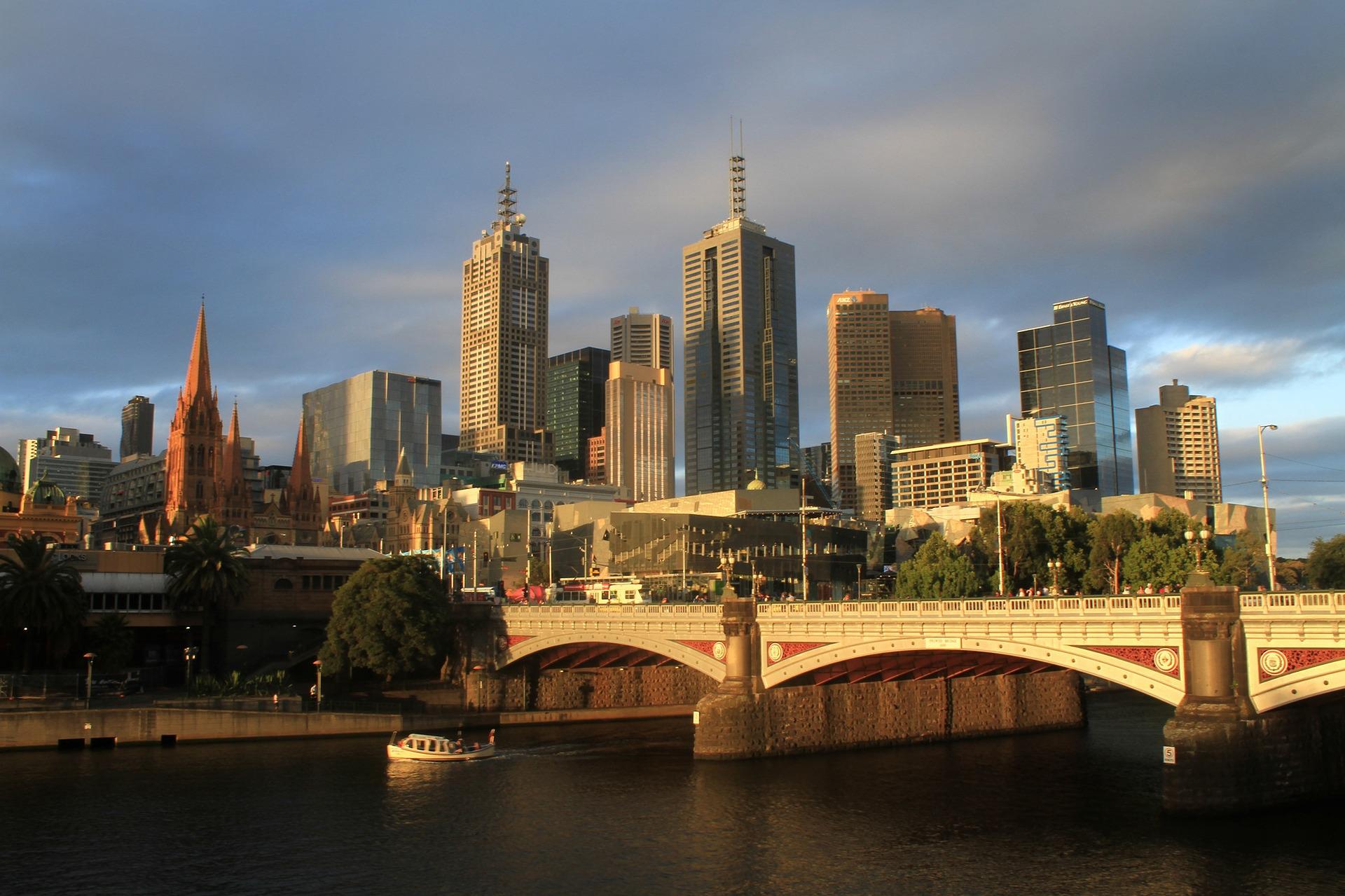
Melbourne is the capital of Victoria, Australia — a captivating city where culture, art, and nature come together in perfect harmony. As Australia’s second-largest city, Melbourne is recognized as a world-class hub of culture and the arts, drawing travelers with its extraordinary range of attractions. From European-style architecture and trendy café-lined laneways to world-famous street art, and just a short trip beyond the city, breathtaking natural landscapes await — Melbourne is a place that leaves an unforgettable impression on every visitor.
Consistently ranked among the world’s most livable cities, Melbourne offers a superb quality of life and an abundance of things to see and do. Trams weaving through well-kept streets and a famously friendly local population make it just as welcoming for visitors as it is for residents. The city is also known for its famously unpredictable weather — earning it the nickname “the city where you can experience four seasons in one day.”
Melbourne Weather by Season & Best Time to Visit
Melbourne enjoys a mild oceanic climate, receiving roughly half the annual rainfall of Sydney — making it a pleasant destination to visit at any time of year. That said, Melbourne’s weather can change dramatically and without warning, so it pays to be prepared for anything.
Summer (December – February)
Melbourne summers are relatively hot and dry, with average temperatures ranging from 14°C to 25°C — though it can feel considerably warmer in the middle of the day. Occasional heatwaves push temperatures above 40°C, so it’s important to be prepared. The Christmas and New Year holiday period sees large numbers of visitors, and beaches and parks can get very crowded.
Scattered showers are possible, particularly in December, which tends to be the wettest month of summer. On rainy days, museums and galleries make for excellent indoor alternatives. Late January brings the Australian Open tennis tournament and Australia Day, when the city becomes exceptionally busy — if possible, this period is best avoided.
Recommended outfit: Light natural fabrics, shorts, skirts, and dresses are ideal; a lightweight waterproof jacket is a useful addition.
Autumn (March – May)
Temperatures gradually drop during autumn, settling around a comfortable 11–20°C, with an average of around 11 rainy days per month. The city transforms as leaves turn golden and a number of events and festivals begin to fill the calendar. Temperatures can fall quickly, so layering is key.
Recommended outfit: Layer up to deal with sudden weather shifts; a light jacket is essential.
Winter (June – August)
Melbourne winters are generally cool and overcast. June is the darkest month of the year, averaging only about 3 hours of sunshine per day, with temperatures between 6°C and 14°C. Rain is frequent and winds can be strong, making the temperature feel even colder than it is.
Recommended outfit: A warm jacket and scarf are essential; thermal underlayers are a good idea on colder days.
Spring (September – November)
Like autumn, spring brings unpredictable weather that can swing dramatically from day to day. Average temperatures sit around 10–20°C, and rainfall averages around 14 days per month. As the days warm up again, the city buzzes back to life with events such as Melbourne Fashion Week and the Melbourne Festival.
Recommended outfit: A warm sweater and jacket for early spring; on sunny days, a T-shirt is perfectly comfortable outdoors.
Best Time to Visit
The best times to visit Melbourne are spring and autumn — March to May and September to November. The weather is at its most pleasant, crowds are manageable, and discounted flights and hotel rates are easier to find.
Before You Travel to Australia
Entry Requirements
Visa (ETA)
Visitors can apply for an Electronic Travel Authority (ETA) for tourism or business stays of up to 3 months via the official app (Google Play / App Store). The fee is AUD 20 and approval is usually instant, though it can occasionally take a few days.
Arrival Card
You will need to complete an incoming passenger card on board your flight before landing in Australia.
Biosecurity & Quarantine
Australia has strict biosecurity regulations to protect its unique ecosystem. Meat, fruit, seeds, raw foods, honey, and other animal or plant products are prohibited. Any items you are unsure about must be declared — declared items will be inspected and a decision made by a quarantine officer. Failure to declare restricted items can result in heavy fines or prosecution.
Power & Electrical
Voltage: 230V | Frequency: 50Hz | Plug Type: Type I
Australian power outlets use a unique plug type. Bring a universal travel adapter to ensure compatibility with your electronics.
SIM Cards & Connectivity
At the Airport
SIM cards can be purchased from vendors in the arrivals area for immediate use upon landing. Airport prices tend to be slightly higher than in the city.
In the City
SIM cards are available from official carrier stores (Telstra, Optus, Vodafone), supermarkets (Coles, Woolworths), electronics retailers (JB Hi-Fi, Harvey Norman), and convenience stores (7-Eleven, IGA).
eSIM
eSIMs are increasingly popular — no physical card required, and they can be activated instantly. You can purchase an Australian eSIM online before departure.
Getting to Melbourne: Airport Transport
Melbourne has two airports: Melbourne Airport (MEL / Tullamarine), the main international and domestic hub, and Avalon Airport (AVV), primarily used by budget carriers such as AirAsia and Jetstar. There are no direct flights from many international origins — a connection via Sydney or Brisbane may be required.
Melbourne Tullamarine Airport (MEL)
Located approximately 22km northwest of the Melbourne CBD, the airport has four terminals all within the same building, connected by walkways.
- Terminal 1: Qantas domestic
- Terminal 2: International arrivals and departures
- Terminal 3: Virgin Australia and Regional Express domestic
- Terminal 4: Tigerair Australia and Jetstar domestic
SkyBus
The SkyBus is a dedicated express bus connecting the airport to Southern Cross Station. It operates from 04:00 to 01:00, running every 10–15 minutes with a journey time of approximately 20 minutes. Note that Myki cards are not accepted — a separate ticket must be purchased.
| Ticket | Price |
| Adult one-way | AUD 24.90 |
| Adult return | AUD 41.70 |
Taxi
The taxi ride to the city takes approximately 30–40 minutes and costs around AUD 70–85.
Rideshare (Uber, DiDi, Ola)
Rideshare pickups are available at designated zones outside each terminal. An airport access levy of AUD 4.82 applies. Fares typically run AUD 50–70 — slightly cheaper than a taxi.
Public Bus
Route 901 departs from opposite Terminal 4 to Broadmeadows Station, where you can transfer to a train into the CBD. Using a Myki card, the total fare is approximately AUD 5.50. A Myki Visitor Pack (AUD 14) includes the card plus AUD 8 in credit. Route 478 also departs from opposite Terminal 4 to Airport West Shopping Centre, where tram connections into the city are available.
Private Transfer
For larger groups, a private airport transfer is a convenient option.
- 3-seater: AUD 79.40
- 6-seater: AUD 117.45
Avalon Airport (AVV)
Located approximately 55km southwest of Melbourne, near Geelong.
SkyBus
The SkyBus Avalon City Express runs in conjunction with flight arrival times to Southern Cross Station. Myki cards are not accepted.
| Ticket | Price |
| Adult one-way | AUD 27.30 |
| Adult return | AUD 51.50 |
Taxi
The taxi journey to Melbourne CBD takes approximately 50 minutes and costs AUD 120–130. Uber fares are approximately AUD 100–130.
Getting to Nearby Cities from Melbourne
By Train (V/Line)
Most regional and long-distance trains depart from Southern Cross Station on Spencer Street. V/Line operates services to nearby cities including Geelong, Ballarat, Bendigo, Albury, and Bairnsdale. NSW TrainLink runs the Sydney service, and Great Southern Rail connects Adelaide.
| Destination | Journey Time | Weekday Fare | Weekend Fare | Frequency |
| Geelong | ~1 hour | AUD 11.00 | AUD 7.60 | Every 30–60 min |
| Ballarat | ~1 hr 20 min | AUD 11.00 | AUD 7.60 | Every 1–2 hrs |
| Bendigo | ~2 hours | AUD 11.00 | AUD 7.60 | Every 1–2 hrs |
| Seymour | ~1 hr 20 min | AUD 11.00 | AUD 7.60 | Every 1–2 hrs |
| Traralgon | ~2 hours | AUD 11.00 | AUD 7.60 | Every 1–2 hrs |
| Warrnambool | ~3 hours | AUD 11.00 | AUD 7.60 | Every 2–3 hrs |
| Echuca | ~3 hours | AUD 11.00 | AUD 7.60 | 1–2 times/day |
| Swan Hill | ~3 hrs 30 min | AUD 11.00 | AUD 7.60 | 1–2 times/day |
| Bairnsdale | ~3 hours | AUD 11.00 | AUD 7.60 | 3–4 times/day |
| Shepparton | ~2 hrs 30 min | AUD 11.00 | AUD 7.60 | 3–4 times/day |
| Albury | ~3 hrs 30 min | AUD 11.00 | AUD 7.60 | 2–3 times/day |
By Bus
The Melbourne bus terminal is attached to Southern Cross Station. Long-distance coaches can be booked through Greyhound Australia or at the terminal ticket counter.
V/Line Coach (Regional Public Bus)
| Destination | Journey Time | Adult One-Way | Frequency |
| Geelong | ~1 hr 15 min | AUD 11.00 | Every 1–2 hrs |
| Ballarat | ~1 hr 30 min | AUD 11.00 | Every 1–2 hrs |
| Bendigo | ~2 hours | AUD 11.00 | Every 2–3 hrs |
| Daylesford | ~2 hours | AUD 11.00 | 1–2 times/day |
| Hamilton | ~4 hours | AUD 11.00 | 1–2 times/day |
| Warrnambool | ~3 hrs 30 min | AUD 11.00 | 2–3 times/day |
| Portland | ~5 hours | AUD 11.00 | 1–2 times/day |
| Shepparton | ~2 hrs 30 min | AUD 11.00 | 2–3 times/day |
| Wangaratta | ~3 hours | AUD 11.00 | 2–3 times/day |
| Echuca | ~3 hrs 30 min | AUD 11.00 | 1–2 times/day |
Greyhound Australia & FlixBus (Long-Distance)
FlixBus also now operates long-distance services with promotional fares from as low as AUD 9.99.
| Destination | Journey Time | One-Way Fare | Departure |
| Sydney | ~12 hours | AUD 129+ | Southern Cross Bay 55 |
| Canberra | ~8 hours | AUD 49+ | Southern Cross Bay 55 |
| Adelaide | ~11 hours | AUD 69+ | Southern Cross Bay 55 |
Getting Around Melbourne: City Transport
Melbourne’s inner city is very walkable, but the network of buses, trains, and trams makes exploring the wider city effortless. If you’re staying for 5 or more days, a weekly Myki Pass offers the best value; otherwise the daily cap is the most economical option.
Use the PTV app (Google Play / App Store) for real-time journey planning.
Myki Card
Myki is Melbourne’s rechargeable transit card, available for AUD 6 at visitor centers, station vending machines, and convenience stores. Always tap on when boarding and tap off when alighting. Failure to pay correctly can result in a fine of up to AUD 413. Inside the CBD Free Tram Zone, no tapping is required.
2026 Myki Fares:
- Card purchase fee: AUD 6
- 2-hour fare — Zone 1+2 / Zone 2: AUD 5.70 / AUD 3.50
- Daily cap (weekday) — Zone 1+2 / Zone 2: AUD 11.40 / AUD 7.00
- Daily cap (weekend & public holidays): AUD 7.60
Tram
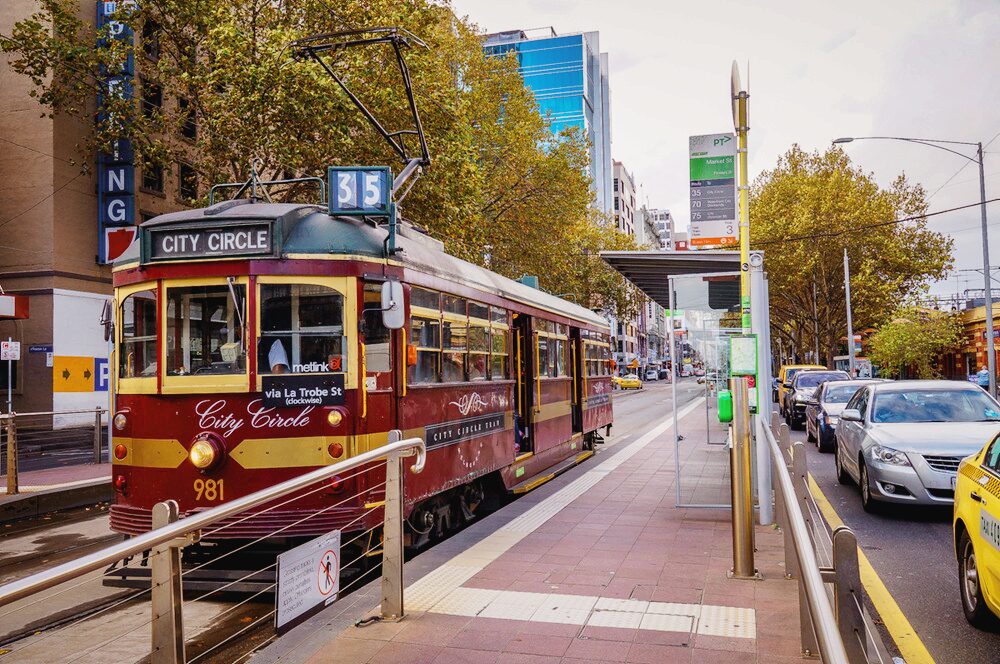
Melbourne boasts the world’s largest tram network. Within the Free Tram Zone, trams are completely free. Outside the zone, use your Myki card. Trams run Monday–Saturday 05:00–midnight, weekends 05:00–01:00. View the tram network map online.
Metro Train
16 lines and 218 stations radiate from the CBD. Major hubs: Flinders Street Station, Southern Cross Station, Melbourne Central. Services run 05:00–midnight. Tap on at the gate and tap off when exiting — failing to tap off results in a default charge of AUD 5.70.
Bus
346 bus routes operate from 05:00–midnight, with some night services. Use your Myki card on all buses. Allow 10–20 extra minutes compared to trains due to traffic.
Taxi
| Period | Flag Fall | Per km | Per Min Waiting |
| Daytime (09:00–16:59) | AUD 4.85 | AUD 1.878 | AUD 0.66 |
| Evening (17:00–08:59) | AUD 6.05 | AUD 2.088 | AUD 0.73 |
| Late Night Peak (Fri–Sat 22:00–03:59) | AUD 7.20 | AUD 2.299 | AUD 0.81 |
A short CBD trip of around 3km costs approximately AUD 10–15.
Rideshare (Uber, DiDi, Ola)
All three services operate in Melbourne, generally at cheaper rates than taxis. Real-time fare estimates are available in-app before confirming your booking.
Bicycle
Melbourne has an excellent cycling path network. E-bike sharing services Lime and Neuron are widely available, starting from AUD 1 base fee with hourly rates of AUD 10–15.
Where to Stay: Recommended Neighborhoods
| Neighborhood | Character | Best For |
| Melbourne CBD | Central hub, all major attractions, Free Tram Zone | First-time visitors, maximum accessibility |
| Southbank | Luxury riverside precinct, fine dining | Couples, romantic getaways |
| Carlton | “Little Italy,” lively Lygon Street café scene | Food lovers, culture seekers |
| Fitzroy | Hipster hub, independent cafés, vintage shops | Trendy, budget-conscious travelers |
| St Kilda | Beachside suburb, Luna Park, cafés | Families, beach lovers |
| Richmond | Local neighborhood, authentic dining | Budget travelers |
| South Yarra | Upscale boutiques, stylish atmosphere | Sophisticated travelers |
| Docklands | Modern waterfront, apartment-style hotels | Families, harbour view seekers |
| Near Airport | Convenient for transit stays | Short stays, early/late flights |
Accommodation Recommendations
Peak season is summer (December–February), especially during the Christmas–New Year period and the Australian Open (late January) — book well in advance. The off-peak season is winter (May–July).
Romantic Luxury Hotels
- W Melbourne
- The Westin Melbourne
- The Langham Melbourne
- Grand Hyatt Melbourne
- The Ritz-Carlton, Melbourne
Family Hotels & Apartments
- Novotel Melbourne on Collins
- Meriton Suites Melbourne
- Winston Apartments
- Adina Apartment Hotel Melbourne
- ibis Melbourne Hotel and Apartments
Budget-Friendly Hotels
- Miami Hotel Melbourne
- Roamer St Kilda
- ibis Styles Kingsgate Melbourne
- CitiClub Hotel Melbourne
- Mercure Welcome Melbourne
Backpacker Hostels
Top Attractions & Recommended Tours
Flinders Street Station
Australia’s oldest railway station (1854), with its iconic yellow facade and teal dome — Melbourne’s most beloved landmark and the city’s classic meeting point.
Federation Square
A striking geometric glass precinct housing galleries, restaurants, and event venues, with a broad open square hosting regular outdoor events.
St Paul’s Cathedral
Just 2 minutes’ walk from Flinders Street Station, this warm sandstone cathedral features beautiful stained glass spires and a richly ornate interior.
Melbourne Museum
Explore the city’s history from ancient times to the present, with rotating exhibitions throughout the year.
Melbourne Town Hall
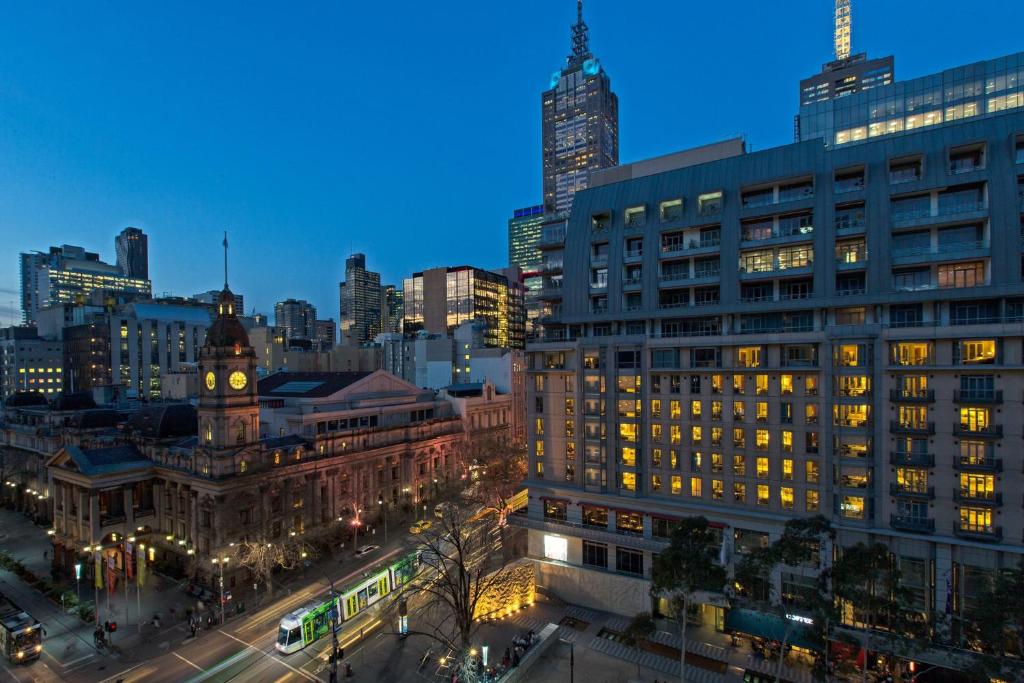
Free clock tower tours run on the hour — collect first-come-first-served tickets from 10:00am. Take the elevator to the top for panoramic city views.
Melbourne Zoo
Home to over 300 species including koalas, kangaroos, orangutans, and Sumatran tigers. Regular animal shows make it a firm favourite for families.
- Adult: AUD 46 | Child: AUD 21
- Klook ticket: AUD 58.15
Eureka Skydeck
The Southern Hemisphere’s highest observation deck at 297 metres, offering 360-degree views over Melbourne.
St Kilda Beach
Accessible by tram from the CBD — a lively seaside strip with cafés, restaurants, and the chance to spot penguins at dusk near the breakwater.
Brighton Beach
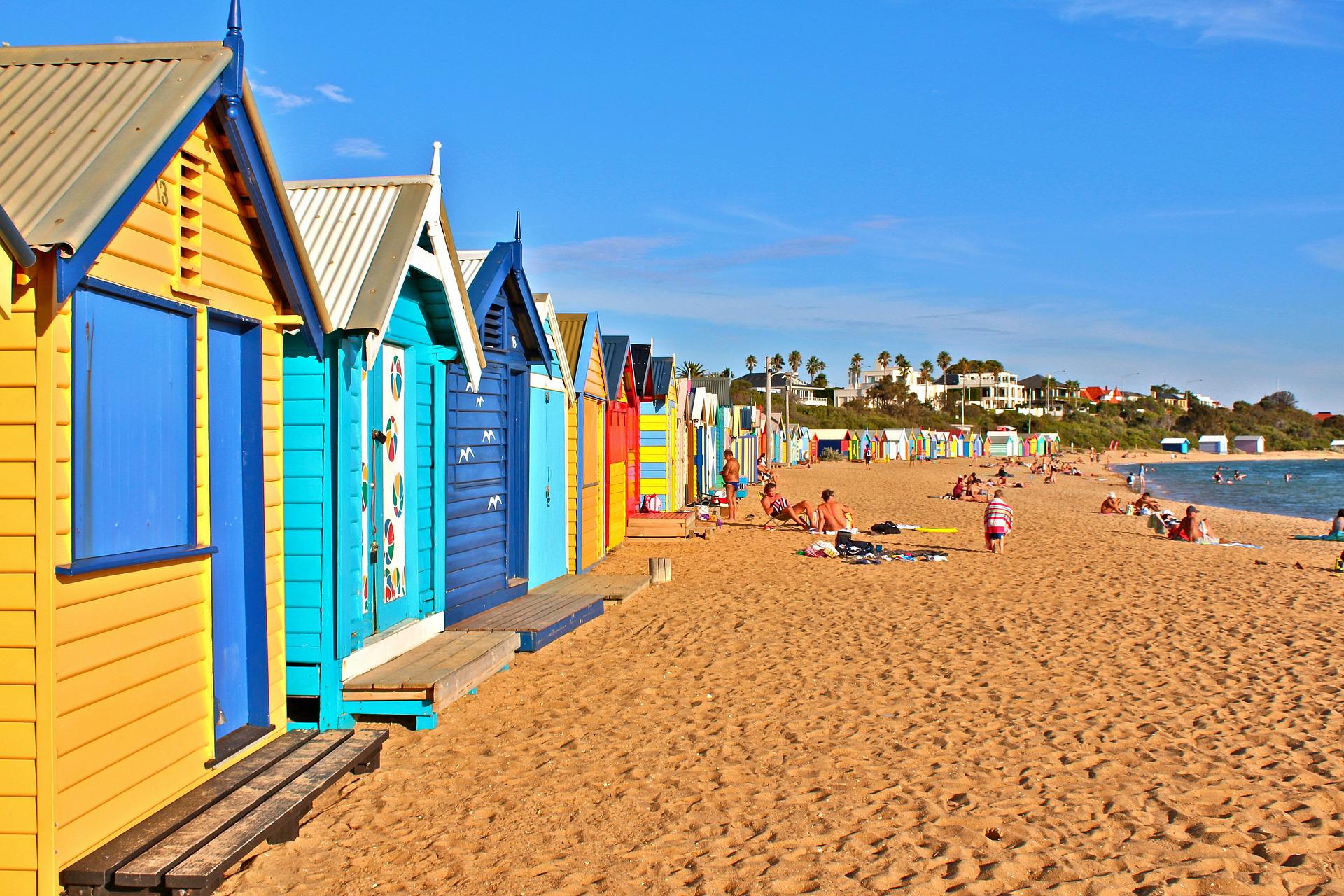
Famous for its row of colourfully painted bathing boxes, Brighton Beach is one of Melbourne’s most photographed spots.
Mornington Peninsula Hot Springs
Natural geothermal mineral springs offering a variety of pools and private options, with panoramic views. A tour or shuttle is recommended as public transport access is limited.
- Hot spring entry: AUD 70+ | Spa: AUD 120+
- Experience + return transport: AUD 180
Sovereign Hill
A faithfully reconstructed gold rush-era township near Ballarat, with gold panning, underground mine train rides, and live shows.
- Adult: AUD 49 | Child: AUD 29
- Entry ticket: AUD 52.50
Yarra Valley
Victoria’s premier wine region with dozens of wineries, winery lunches, and tastings from AUD 5–10.
Puffing Billy Railway
A lovingly preserved steam railway with over 100 years of history, winding through the Dandenong Ranges 35km east of Melbourne.
Phillip Island
Home to the world-famous Little Penguin colony — arrive at dusk to watch hundreds of penguins waddle ashore. Dress warmly; the sea breeze is cold. About 2 hours from Melbourne by car; a day tour is most convenient.
- Adult: AUD 27.70 | Child: AUD 13.70
- Penguin Parade reserved seat: AUD 33
- Full-day tour: AUD 165
Great Ocean Road
Victoria’s iconic coastal drive, lined with dramatic clifftop scenery. The highlight is the Twelve Apostles — towering limestone stacks rising from the Southern Ocean in a breathtaking display.
Recommended Foods in Melbourne
Often called Australia’s food capital, Melbourne offers world-class dining from virtually every culinary tradition. Carlton is particularly strong for visitor-friendly restaurants; Southbank and Victoria Street offer wide variety; Richmond is packed with Vietnamese and Southeast Asian restaurants at outstanding value; and Brunswick, Coburg, and Sydney Road are the go-to areas for Middle Eastern food. Pop-up restaurants and food trucks can be found throughout the city.
Melbourne is also one of the world’s great coffee cities — the Flat White was born here.
Hostel Breakfast
Simple continental breakfast typically including toast, jam, cereal, milk, and coffee. Usually included in the room rate, or available for AUD 5–10 separately.
Hotel Breakfast
Mid-range hotel breakfast buffets: AUD 25–55 | Luxury hotel buffets: AUD 60–85.
Breakfast & Brunch
| Dish | Description | Price |
| Flat White + Avocado Toast | Melbourne’s signature café combo | AUD 23–31 |
| Eggs Benedict | Poached eggs with hollandaise sauce | AUD 22–28 |
| Açaí Bowl | Blended açaí with fresh fruit and granola | AUD 15–18 |
Lunch
| Dish | Price |
| Australian Meat Pie | AUD 5–8 |
| Fish & Chips | AUD 18–28 |
| Ramen | AUD 18–25 |
| Pho (Vietnamese Noodle Soup) | AUD 15–20 |
| Asian food courts (Chinatown) | AUD 15–20 |
Dinner
| Dish | Price |
| Wagyu / Angus Beef Steak | AUD 45–80 |
| Seafood Platter + Local Wine | AUD 60–120 |
| Italian Pizza / Pasta | AUD 20–30 |
Estimated Travel Budget
Solo Backpacker — Daily Budget: AUD 85–145
| Category | Details | Daily Cost |
| Accommodation | Hostel dormitory (6–10 bed) | AUD 25–50 |
| Breakfast | Supermarket yogurt, fruit, toast | AUD 5–8 |
| Lunch | Asian food court, Pho, Thai curry | AUD 12–18 |
| Dinner | Local café or supermarket prepared food | AUD 15–22 |
| Coffee | Café flat white | AUD 5–6 |
| City transport | Myki daily cap | AUD 8–11 |
| Attractions | Mostly free + 1–2 paid entries | AUD 10–20 |
| Other | Laundry, water, snacks | AUD 5–10 |
| Total | AUD 85–145 |
Budget Couple — Daily Budget: AUD 326–483 (2 people)
| Category | Details | Daily Cost (2 pax) |
| Accommodation | 3-star hotel | AUD 110–160 |
| Breakfast | Café brunch | AUD 40–55 |
| Lunch | Casual restaurant or Asian dining | AUD 35–50 |
| Dinner | Restaurant main + drinks | AUD 60–90 |
| Coffee & drinks | 4 coffees/day | AUD 20–26 |
| City transport | Myki x2 | AUD 16–22 |
| Attractions | 1–2 major sites | AUD 25–50 |
| Other | Shopping, snacks, water | AUD 20–30 |
| Total (2 pax) | AUD 326–483 |
Family of 4 — Daily Budget: AUD 610–950
| Category | Details | Daily Cost (4 pax) |
| Accommodation | 4-star family room | AUD 180–280 |
| Breakfast | Hotel breakfast buffet (2 adults + 2 children) | AUD 80–130 |
| Lunch | Family restaurant or casual dining | AUD 80–120 |
| Dinner | Restaurant (mains + drinks + kids’ meals) | AUD 110–160 |
| Snacks & drinks | Café, ice cream, beverages | AUD 30–40 |
| City transport | Myki x4 (children free or concession) | AUD 20–30 |
| Attractions | Zoo, Aquarium, Eureka Skydeck etc. | AUD 80–140 |
| Other | Shopping, souvenirs, water | AUD 30–50 |
| Total (4 pax) | AUD 610–950 |
Currency in Australia
Australian Currency
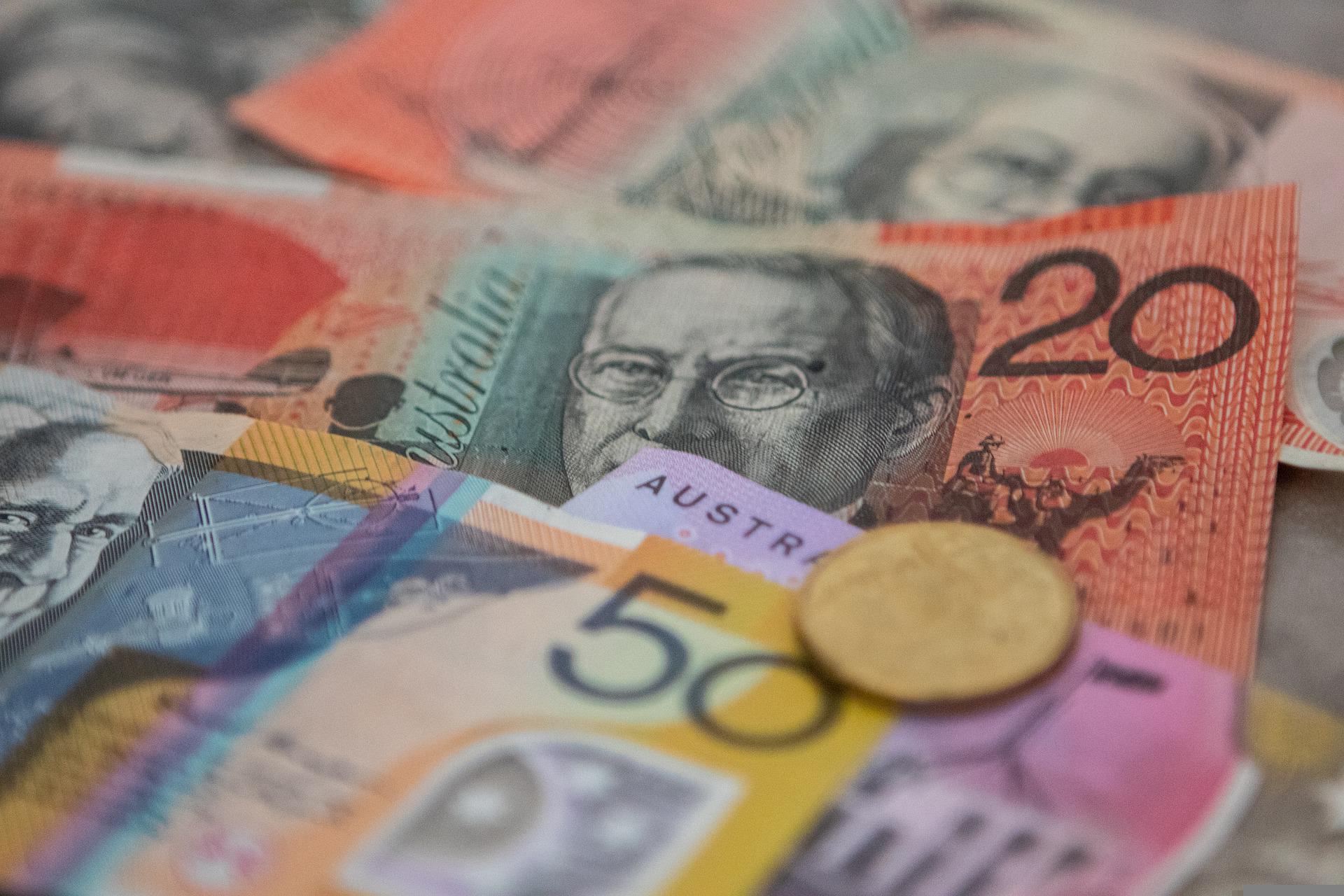
The Australian Dollar (AUD) is written as $, A$, or AU$. Coins: 5¢, 10¢, 20¢, 50¢, $1, $2. Notes: $5, $10, $20, $50, $100.
Currency Exchange
Exchange before departure
Exchanging currency before you travel saves time on arrival. Banks, airport exchange desks, and your bank’s mobile app often offer preferential exchange rates.
Exchange in Australia
Airport exchange desks (Travelex, Currency Exchange) are convenient but offer poor rates — change only the minimum you need on arrival, then use city exchange offices. Hotel exchange desks are not recommended.
ATM Withdrawals
International debit and credit cards can be used at local ATMs to withdraw AUD. Rates are generally better than exchange desks, though transaction fees apply. Among Australian ATMs, ANZ Bank ATMs tend to charge the lowest fees.
Card Payments
Visa, Mastercard, and American Express are accepted at virtually all shops, restaurants, and hotels. Note that Amex may not be accepted at some smaller independent businesses. Contactless (tap-to-pay / PayWave) is the dominant payment method throughout Australia.
Mobile Payments
Samsung Pay, Apple Pay, and Google Pay are all widely supported in Australia, including on public transport.melbeoreunyi-jayuyeohaeng-gaideu-2026.docx