
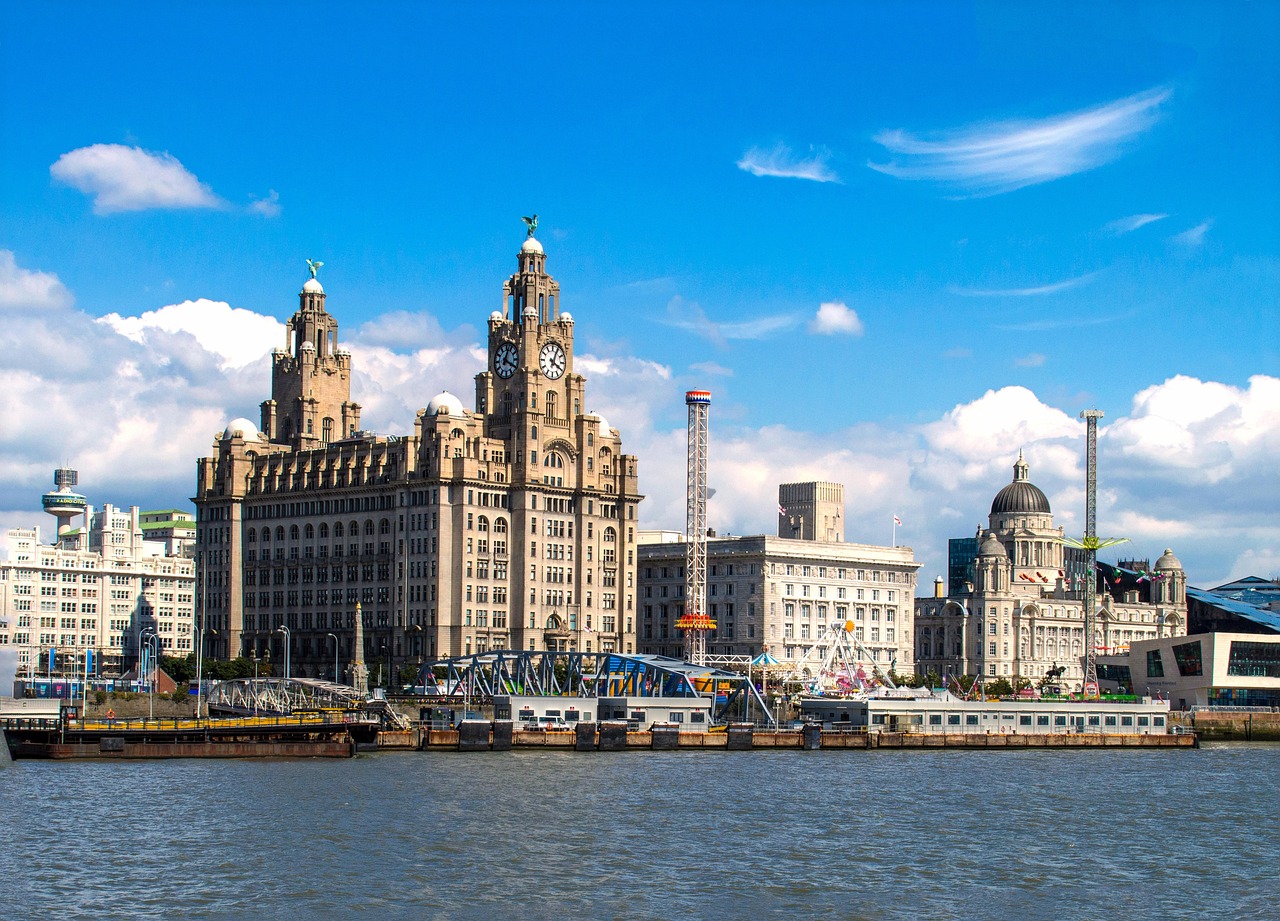
Liverpool Weather: A Complete Climate Guide Before Your Trip
Liverpool’s overall weather falls under a typical West Coast Marine climate (Cfb). This means the city experiences mild temperatures year-round, but its coastal position makes things interesting. Because it sits right on the River Mersey, you can expect frequent winds and highly unpredictable patterns.
Summers are pleasantly cool and rarely feel sweltering. While winters rarely drop far below freezing, the high humidity and strong winds often make it feel much colder than the thermometer suggests. With rainfall spread evenly across the months, Liverpool is a city where you can truly experience “four seasons in one day.”
Liverpool Weather Features by Season
March–May: Unpredictable and Bright Spring
Spring in Liverpool begins in March. Temperatures slowly start to rise, though the remnants of winter often linger. The weather can be highly volatile; you might wake up to a chilly frost only to enjoy warm sunshine by the afternoon.
By April and May, flowers bloom across the city’s parks, creating a lovely atmosphere for sightseeing. However, the probability of sudden “April showers” remains high, so don’t be caught off guard.
June–August: Pleasant Summer with Long Days
Summer is the most popular time to visit Liverpool. The weather is cool and comfortable, with highs averaging around 20°C (68°F). Unlike other regions, low humidity keeps the air fresh rather than sticky.
Due to the city’s high latitude, the sun stays up until 9:00 PM or even 10:00 PM. This gives you plenty of time for exploring. However, a light outer layer is still essential, as sea breezes can bring a chill even in mid-July.
September–November: Autumn Wind and Rain
Outdoor activities are still great through September, but the weather shifts quickly in October. Rainfall increases and the winds from the Atlantic gradually intensify.
While the autumn foliage in Sefton Park is beautiful, the damp winds bring a piercing chill. Days also begin to shorten rapidly during this period, and you will see many more gray, overcast skies.
December–February: Damp and Windy Winter
During winter, temperatures rarely plummet deep into the negatives. However, the combination of sea breezes and high humidity creates a “damp cold” that feels bone-chilling.
Precipitation usually takes the form of rain or sleet rather than snow. With the sun setting around 4:00 PM, the days feel very short. Windproof clothing is your most important tool this season to combat the strong coastal gusts.
Best Time to Visit Liverpool
The best time to visit Liverpool is from late May to early September. During this window, temperatures are at their most stable. Even if it rains, the clouds usually pass quickly.
This is the optimal time for walking tours, stadium visits to Anfield, and ferry rides on the Mersey. July and August are particularly vibrant with outdoor music festivals. Conversely, January and February are better for visiting indoor museums due to the gloomy weather.
Monthly Weather and Local Clothing Recommendations
| Month | Avg High (°C) | Avg Low (°C) | Rain Days | Recommended Clothing |
|---|---|---|---|---|
| January | 7–8 | 2–3 | 14–16 | Padded coats, thermal layers, scarves |
| February | 7–9 | 2–3 | 11–13 | Waterproof boots, heavy winter coat |
| March | 9–11 | 3–5 | 11–13 | Layered clothing, windbreaker |
| April | 12–14 | 5–7 | 10–12 | Light puffer jacket, portable umbrella |
| May | 15–17 | 7–9 | 10–11 | Cardigans, light jackets, cotton pants |
| June | 18–20 | 10–12 | 9–11 | Short sleeves for day, light sweater for night |
| July | 19–21 | 12–14 | 10–11 | Summer attire, sunglasses, thin hoodie |
| August | 19–21 | 12–14 | 11–12 | Standard summer clothes, light rain jacket |
| September | 17–19 | 10–12 | 11–13 | Cardigans, knits, light autumn jackets |
| October | 13–15 | 8–10 | 14–15 | Waterproof hooded coat, thick socks |
| November | 10–12 | 5–6 | 15–17 | Insulated coats, light down jackets |
| December | 7–8 | 3–4 | 15–16 | Full winter gear, wool coats, gloves |
Important Things to Keep in Mind
- Prepare for “Scouse” Rain: Rain here is often a fine drizzle rather than a downpour. Umbrellas often flip inside out due to the wind, so a waterproof hooded jacket is much more practical.
- Respect the Sea Breeze: As a port city, the area around the River Mersey is very windy. It often feels colder than it looks, so carry a scarf to maintain your body heat.
- The Layering Rule: Temperatures can shift drastically within a single hour. Wearing multiple thin layers is the smartest way to stay comfortable while traveling.
- Plan for Short Winter Days: In winter, start your day as early as possible to enjoy the daylight. Save indoor galleries and museums for the late afternoon.
Liverpool Weather Frequently Asked Questions (FAQ)
Q1. Is an umbrella or a raincoat more useful in Liverpool?
Because of the frequent coastal gusts, standard umbrellas break easily. Locals usually prefer sturdy waterproof windbreakers. If you bring an umbrella, make sure it is a heavy-duty, windproof model.
Q2. Does it snow much in Liverpool during winter?
Due to its location on the western coast, temperatures rarely stay low enough for long periods of snow. Rain or sleet is much more common during the winter months.
Q3. Do I need to pack short sleeves?
Yes, for July and August. Midday temperatures can get warm enough for short sleeves, but you will still want a light jacket for the evening when the breeze picks up.
Q4. Are Liverpool weather forecasts accurate?
Liverpool weather changes by the minute. Even if the morning forecast says “sunny,” it could rain by lunch. Check your weather app frequently and always have a backup plan.
Q5. Where are the best indoor places to go during bad weather?
Head to the Royal Albert Dock. It houses Tate Liverpool, the Museum of Liverpool, and The Beatles Story. These are all close together, so you won’t have to walk far in the rain.
Summary
Whether you are visiting for The Beatles or a football match, the key to enjoying Liverpool weather is preparation. From the breezy summers to the damp winters, always carry a waterproof layer and dress in layers. By following this guide, you’ll be ready for whatever the Mersey climate throws your way!
Planning a trip soon? Pack your raincoat and get ready to explore one of the UK’s most vibrant coastal cities!